THE ADVENTURE COLLECTIVE® · Independent discovery and booking for outdoor travel

Skip the queues and step straight into one of Paris’s most atmospheric museums. This fast-track ticket gives you hassle-free access to Impressionist and Post-Impressionist masterpieces housed in a converted 1900 railway station.
Skip the queues and step straight into one of Paris’s most atmospheric museums. This fast-track ticket gives you hassle-free access to Impressionist and Post-Impressionist masterpieces housed in a converted 1900 railway station.
Stand beneath the museum’s great clock and feel Paris slow: light washes the former railway hall in a warm glow while visitors move between canvases that changed how people saw the modern world.
Verified experiences and guided adventures in the surrounding area.
Operated by Dream Fly Tourism LLC · Paris, Île-de-France
Stand beneath the museum’s great clock and feel Paris slow: light washes the former railway hall in a warm glow while visitors move between canvases that changed how people saw the modern world.
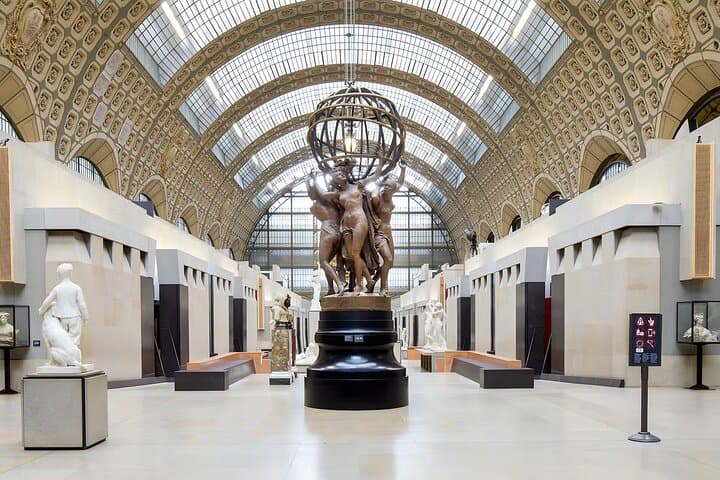
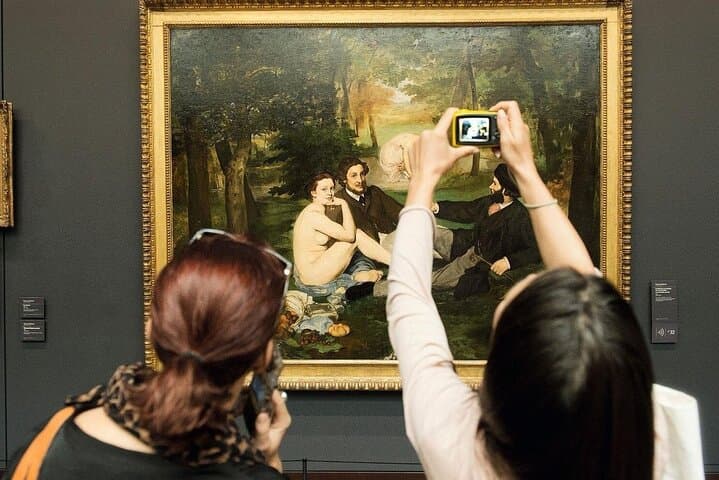
Housed in the Beaux-Arts Gare d'Orsay—built for the 1900 Exposition—the Musée d'Orsay collects French art from 1848 to 1914. Expect dense galleries of Impressionist and Post-Impressionist work from Monet, Renoir, Degas and Van Gogh, alongside sculpture, photography and decorative arts that trace a turning point in industrial, cultural and social life.
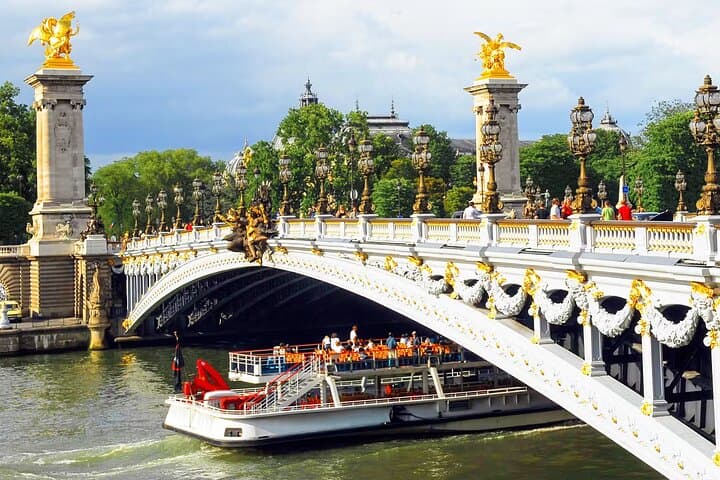
The river sits a short walk away; the museum’s elevated vantage points give clear sightlines across the Seine and toward the Louvre, placing the collection in a live cultural corridor. The building’s architecture remains part of the draw: vaulted ceilings, original stone and that oversized clock that frames the city.
Practically: this fast-track ticket bypasses the main queue but not security screening, so arrive with minimal bag volume. Plan 2–4 hours to move through permanent collections and a temporary show; prioritize a single wing if you have less time. Photography without flash is generally allowed but avoid tripods and commercial shoots. Use public transit (RER C, Metro Solférino/Musée d'Orsay) to reduce hassle—parking is limited.
Visit midweek mornings or late afternoons for fewer crowds. Bring comfortable shoes for gallery floors and a light layer—the museum is climate-controlled but can feel cool in transitory spaces. For a tighter schedule, pick one era or artist and move deliberately: the building’s scale rewards slow looking.
easy.
2–4 hours.
Minimal physical fitness required; expect standing and walking on multiple floors.
It skips the general admission queue but you will still pass through security and bag checks, which can cause short waits.
Most visitors spend 2–4 hours; allow extra time if you want to see temporary exhibitions or linger at the café and clock gallery.
Non-flash photography for personal use is generally allowed, but tripods and professional equipment require authorization; avoid flash to protect artworks.
The Orsay has elevators and accessible routes; contact the museum for specific assistance needs and to confirm current access arrangements.
The building opened as Gare d'Orsay in 1900 and was repurposed as the Musée d'Orsay, opening in 1986 to display 19th- and early-20th-century art.
The museum maintains strict climate and lighting controls to protect sensitive works; public transit is encouraged to reduce congestion and emissions.
Dream Fly Tourism LLC operates guided outdoor trips and adventures with an emphasis on safety, stewardship, and memorable experiences.
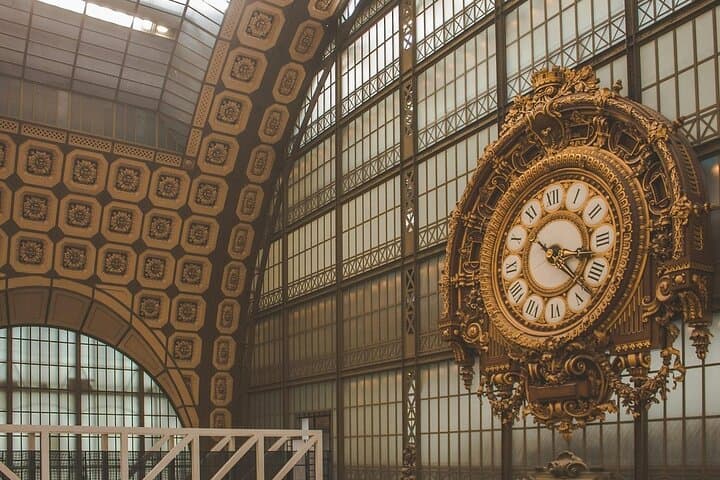
Stand beneath the museum’s great clock and feel Paris slow: light washes the former railway hall in a warm glow while visitors move between canvases that changed how people saw the modern world.
Stand beneath the museum’s great clock and feel Paris slow: light washes the former railway hall in a warm glow while visitors move between canvases that changed how people saw the modern world.
Housed in the Beaux-Arts Gare d'Orsay—built for the 1900 Exposition—the Musée d'Orsay collects French art from 1848 to 1914. Expect dense galleries of Impressionist and Post-Impressionist work from Monet, Renoir, Degas and Van Gogh, alongside sculpture, photography and decorative arts that trace a turning point in industrial, cultural and social life.
The river sits a short walk away; the museum’s elevated vantage points give clear sightlines across the Seine and toward the Louvre, placing the collection in a live cultural corridor. The building’s architecture remains part of the draw: vaulted ceilings, original stone and that oversized clock that frames the city.
Practically: this fast-track ticket bypasses the main queue but not security screening, so arrive with minimal bag volume. Plan 2–4 hours to move through permanent collections and a temporary show; prioritize a single wing if you have less time. Photography without flash is generally allowed but avoid tripods and commercial shoots. Use public transit (RER C, Metro Solférino/Musée d'Orsay) to reduce hassle—parking is limited.
Visit midweek mornings or late afternoons for fewer crowds. Bring comfortable shoes for gallery floors and a light layer—the museum is climate-controlled but can feel cool in transitory spaces. For a tighter schedule, pick one era or artist and move deliberately: the building’s scale rewards slow looking.