THE ADVENTURE COLLECTIVE® · Independent discovery and booking for outdoor travel

Skip the ticket line and walk to Mary’s Bridge for sweeping views of Neuschwanstein, then tour the interior and ride a horse carriage back to Hohenschwangau. This half-day experience combines easy alpine walking with curated history and photo stops.
Skip the ticket line and walk to Mary’s Bridge for sweeping views of Neuschwanstein, then tour the interior and ride a horse carriage back to Hohenschwangau. This half-day experience combines easy alpine walking with curated history and photo stops.
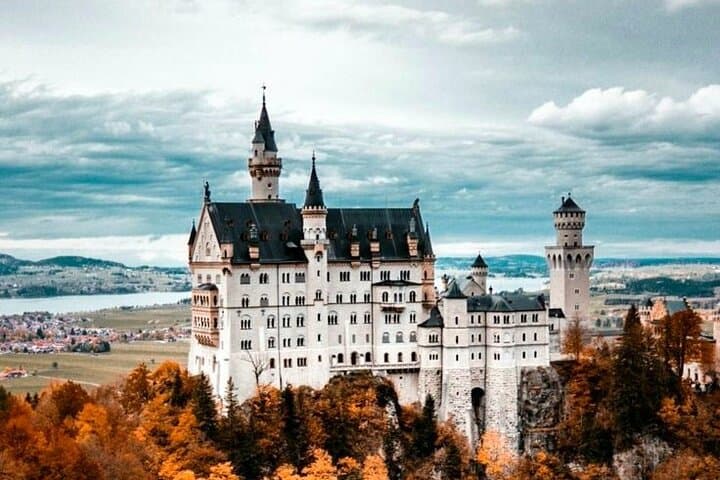
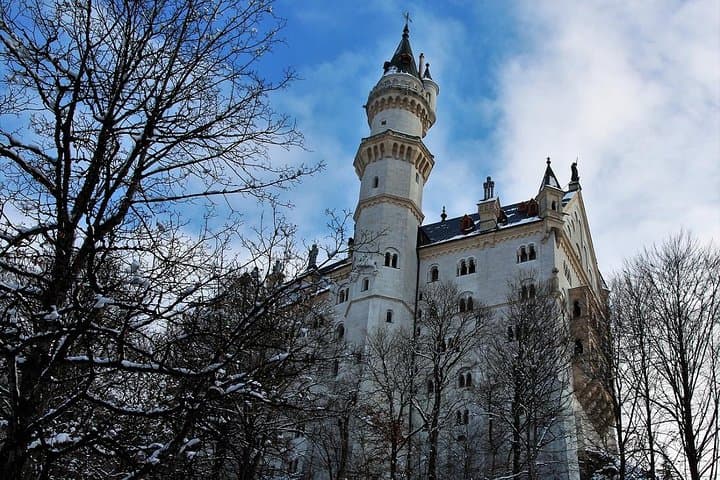
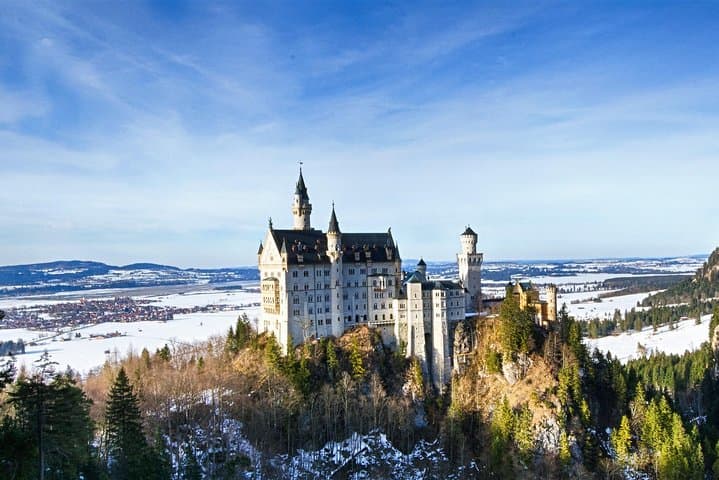
A thin alpine wind cuts through the firs as you step from Hohenschwangau village into the shadow of a white tower that seems to stare down at the valley. From Mary’s Bridge the castle juts over the gorge — a stage set of stone and snowmelt — while the Alpsee below mirrors the sky and dares you to look away.
Verified experiences and guided adventures in the surrounding area.
Operated by Special Private Tours · Hohenschwangau, Bavaria
A thin alpine wind cuts through the firs as you step from Hohenschwangau village into the shadow of a white tower that seems to stare down at the valley. From Mary’s Bridge the castle juts over the gorge — a stage set of stone and snowmelt — while the Alpsee below mirrors the sky and dares you to look away.
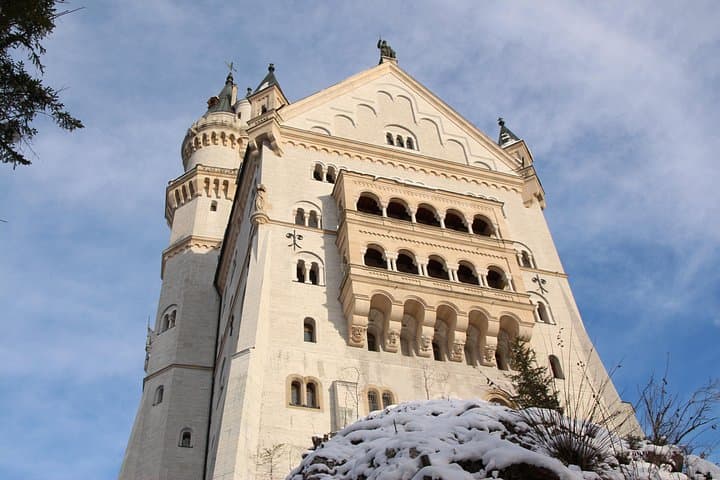
Neuschwanstein was built by King Ludwig II between 1869 and 1886 as a private retreat and homage to medieval romance; its Romanesque Revival façades sit on rock carved by ice and river over millennia. The surrounding landscape is glacial in origin: steep moraine slopes, mixed spruce-beech forests, and the Alpsee’s pebbled shore. Local culture in Schwangau and nearby Füssen leans alpine and craft-driven — breweries, woodcarvers, and the Bavarian penchant for hearty fare.
Practically: the half-day tour bundles skip-the-line tickets, a guided interior visit, a shuttle to Marienbrücke when available, and a downhill horse carriage to Hohenschwangau. Expect uphill walking, stairs inside the castle, and short unpaved sections if the shuttle is not running. Bring layered clothing for sudden mountain weather, sturdy shoes, and time for photos at the bridge before the crowds arrive. The group size is small, but castle policy keeps the interior as a timed group experience.
If you want a quieter vantage, arrive off-peak in shoulder seasons or plan a short walk around Lake Alpsee after the tour. The route is as much about the views and geology as it is about Ludwig’s story — and the guide will stitch both together so you leave with context as well as pictures.
moderate.
3–4 hours.
Moderate fitness required: able to hike uphill, handle stairs inside the castle, and manage short steep sections if shuttle service is unavailable.
No. Marienbrücke can be closed for safety during winter or high winds; when closed, guides use alternative viewpoints and the shuttle may not run.
You can use the shuttle bus when it is operating to reach closer viewpoints and the carriage option can take you downhill, but some walking and stairs are unavoidable for the interior tour.
Yes. The tour includes skip-the-line tickets for the castle interior and the guide handles reservations, so you don’t need separate admission.
Children must be accompanied by an adult; the interior tour involves stairs and narrow rooms, and strollers are impractical inside the castle and on steep approaches.
Commissioned by King Ludwig II in the late 19th century, Neuschwanstein was conceived as a private theatrical retreat inspired by Wagnerian opera and medieval motifs.
Visitor management and timed interior groups reduce wear on historic rooms; stick to marked paths and avoid disturbing vegetation to preserve the fragile alpine slopes.
Special Private Tours operates guided outdoor trips and adventures with an emphasis on safety, stewardship, and memorable experiences.
A thin alpine wind cuts through the firs as you step from Hohenschwangau village into the shadow of a white tower that seems to stare down at the valley. From Mary’s Bridge the castle juts over the gorge — a stage set of stone and snowmelt — while the Alpsee below mirrors the sky and dares you to look away.
A thin alpine wind cuts through the firs as you step from Hohenschwangau village into the shadow of a white tower that seems to stare down at the valley. From Mary’s Bridge the castle juts over the gorge — a stage set of stone and snowmelt — while the Alpsee below mirrors the sky and dares you to look away.
Neuschwanstein was built by King Ludwig II between 1869 and 1886 as a private retreat and homage to medieval romance; its Romanesque Revival façades sit on rock carved by ice and river over millennia. The surrounding landscape is glacial in origin: steep moraine slopes, mixed spruce-beech forests, and the Alpsee’s pebbled shore. Local culture in Schwangau and nearby Füssen leans alpine and craft-driven — breweries, woodcarvers, and the Bavarian penchant for hearty fare.
Practically: the half-day tour bundles skip-the-line tickets, a guided interior visit, a shuttle to Marienbrücke when available, and a downhill horse carriage to Hohenschwangau. Expect uphill walking, stairs inside the castle, and short unpaved sections if the shuttle is not running. Bring layered clothing for sudden mountain weather, sturdy shoes, and time for photos at the bridge before the crowds arrive. The group size is small, but castle policy keeps the interior as a timed group experience.
If you want a quieter vantage, arrive off-peak in shoulder seasons or plan a short walk around Lake Alpsee after the tour. The route is as much about the views and geology as it is about Ludwig’s story — and the guide will stitch both together so you leave with context as well as pictures.