THE ADVENTURE COLLECTIVE® · Independent discovery and booking for outdoor travel

Skip the queues and access Neuschwanstein’s interiors and Marienbrücke viewpoint with guided commentary and round-trip transport from Hohenschwangau. This three-hour, small-group tour combines efficient logistics with local history and alpine scenery.
Skip the queues and access Neuschwanstein’s interiors and Marienbrücke viewpoint with guided commentary and round-trip transport from Hohenschwangau. This three-hour, small-group tour combines efficient logistics with local history and alpine scenery.
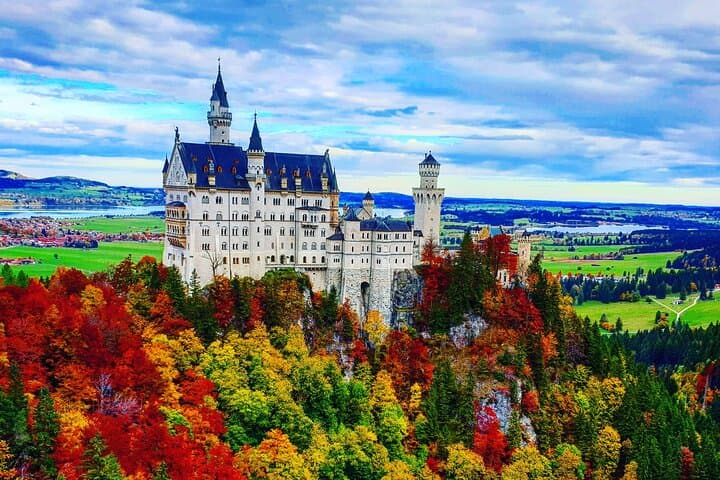
A cool mist clings to the Pöllat gorge as you step off the bus in Hohenschwangau and the white towers of Neuschwanstein push through the trees like a deliberate idea given stone. Marienbrücke waits across a narrow steel span, offering a view that compels you to lift your camera and slow your breathing.
Verified experiences and guided adventures in the surrounding area.
Operated by A-Travel · Hohenschwangau, Bavaria
A cool mist clings to the Pöllat gorge as you step off the bus in Hohenschwangau and the white towers of Neuschwanstein push through the trees like a deliberate idea given stone. Marienbrücke waits across a narrow steel span, offering a view that compels you to lift your camera and slow your breathing.
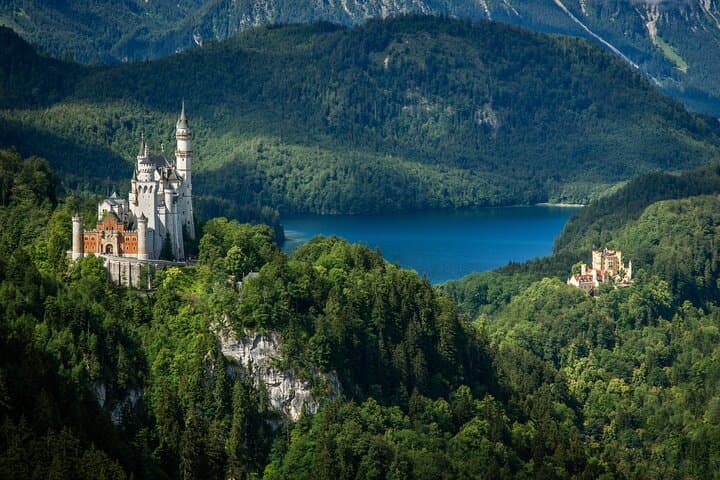
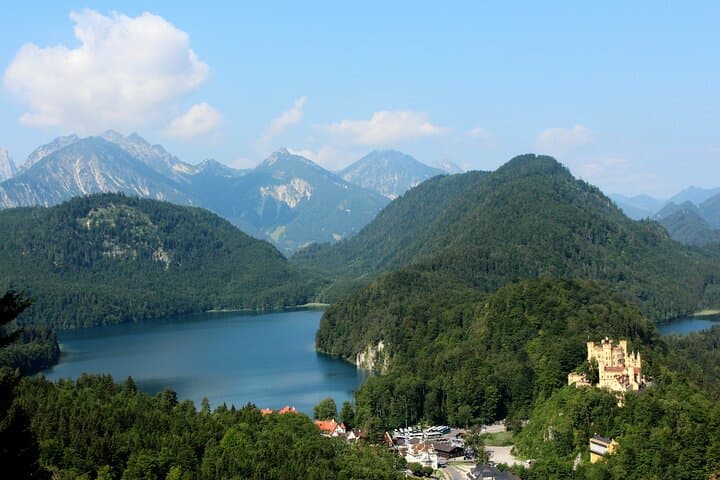
Built in the late 19th century for King Ludwig II, Neuschwanstein sits on a limestone spur carved by alpine geology and centuries of glacial action. The castle’s Romanesque Revival rooms and painted halls tell the story of a monarch who favored imagination over politics; nearby Hohenschwangau Castle and the turquoise Alpsee add local context, reflecting Bavarian court life and traditional alpine lake landscapes.
Guides place the architecture in cultural frames—Ludwig’s operatic inspirations, Bavarian identity, and 20th-century tourism—and point out practical geology: steep slopes, limestone cliffs, and the narrow gorge that makes the Marienbrücke vantage so dramatic.
For practical planning, expect roughly three hours including round-trip transfer from the village, a timed-entry castle visit with audio guide, and short uphill walks; the Marienbrücke and carriage paths may be closed in winter. Wear grippy footwear for uneven paths, carry water, and aim for early pickup to beat the busiest hours. If the shuttle isn’t running you’ll need a 30–40 minute climb to the castle.
This tour is a compact, well-paced way to see Neuschwanstein’s interior and panorama without queue stress—bring a charged camera, sensible layers, and a readiness to trade a little exertion for one of Bavaria’s most photographed scenes.
moderate.
3 hours.
Moderate — able to handle uphill walks, stairs, and short stretches of standing
No—Marienbrücke can close in winter for safety when snow or ice cover the bridge; the tour will note current access before departure.
If the shuttle is unavailable you’ll need to walk up to the castle—expect a 30–40 minute uphill hike from Hohenschwangau village, so wear suitable shoes.
Yes—the guided element outside is in English, but the castle provides audio guides in multiple languages for the interior visit.
Not recommended for travelers with serious spinal or heart problems; there are stairs and uphill walks and some parts are not accessible by wheelchair.
Neuschwanstein was commissioned by King Ludwig II in the 1860s as a private retreat and homage to Wagnerian opera, reflecting 19th-century Romantic historicism.
Visitor limits and defined trails reduce erosion around the castle and gorge—stay on marked paths, pack out waste, and avoid flying drones without permission.
A-Travel operates guided outdoor trips and adventures with an emphasis on safety, stewardship, and memorable experiences.
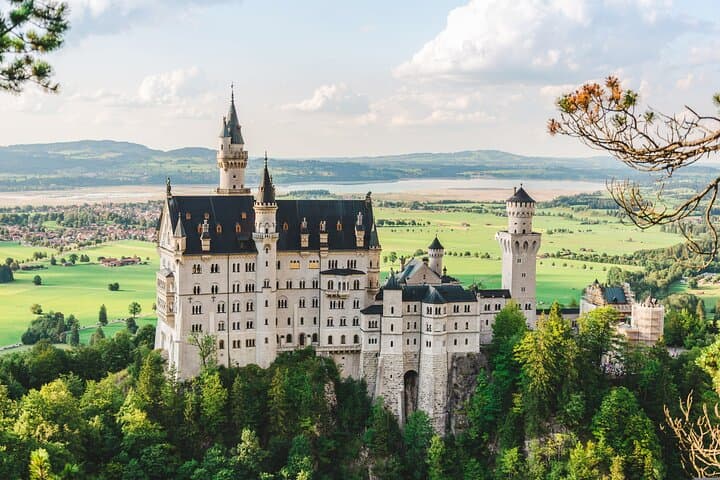
A cool mist clings to the Pöllat gorge as you step off the bus in Hohenschwangau and the white towers of Neuschwanstein push through the trees like a deliberate idea given stone. Marienbrücke waits across a narrow steel span, offering a view that compels you to lift your camera and slow your breathing.
A cool mist clings to the Pöllat gorge as you step off the bus in Hohenschwangau and the white towers of Neuschwanstein push through the trees like a deliberate idea given stone. Marienbrücke waits across a narrow steel span, offering a view that compels you to lift your camera and slow your breathing.
Built in the late 19th century for King Ludwig II, Neuschwanstein sits on a limestone spur carved by alpine geology and centuries of glacial action. The castle’s Romanesque Revival rooms and painted halls tell the story of a monarch who favored imagination over politics; nearby Hohenschwangau Castle and the turquoise Alpsee add local context, reflecting Bavarian court life and traditional alpine lake landscapes.
Guides place the architecture in cultural frames—Ludwig’s operatic inspirations, Bavarian identity, and 20th-century tourism—and point out practical geology: steep slopes, limestone cliffs, and the narrow gorge that makes the Marienbrücke vantage so dramatic.
For practical planning, expect roughly three hours including round-trip transfer from the village, a timed-entry castle visit with audio guide, and short uphill walks; the Marienbrücke and carriage paths may be closed in winter. Wear grippy footwear for uneven paths, carry water, and aim for early pickup to beat the busiest hours. If the shuttle isn’t running you’ll need a 30–40 minute climb to the castle.
This tour is a compact, well-paced way to see Neuschwanstein’s interior and panorama without queue stress—bring a charged camera, sensible layers, and a readiness to trade a little exertion for one of Bavaria’s most photographed scenes.