THE ADVENTURE COLLECTIVE® · Independent discovery and booking for outdoor travel

A full-day private tour from Munich that pairs a skip-the-line visit to Neuschwanstein with Ettal Abbey and the painted village of Oberammergau. Expect steep approaches, dramatic views from Mary’s Bridge, and a deep dive into Bavarian history.
A full-day private tour from Munich that pairs a skip-the-line visit to Neuschwanstein with Ettal Abbey and the painted village of Oberammergau. Expect steep approaches, dramatic views from Mary’s Bridge, and a deep dive into Bavarian history.
You step out of the minivan with cold mountain air pushing at your face and a jagged silhouette rising above the pines: Neuschwanstein’s white towers catch the light, daring you to climb for the best view. The group crosses Mary’s Bridge for that classic, vertiginous perspective; below, the Pöllat Gorge rushes in a narrow, voice-like whisper.
Verified experiences and guided adventures in the surrounding area.
Operated by Special Private Tours · Hohenschwangau, Bavaria
You step out of the minivan with cold mountain air pushing at your face and a jagged silhouette rising above the pines: Neuschwanstein’s white towers catch the light, daring you to climb for the best view. The group crosses Mary’s Bridge for that classic, vertiginous perspective; below, the Pöllat Gorge rushes in a narrow, voice-like whisper.
This route threads through centuries of Bavarian history. Ludwig II commissioned Neuschwanstein between 1869–1886 as a private retreat and stage set for romantic opera—its rooms echo the king’s fascination with medieval legend and Richard Wagner. Ettal Abbey, founded in 1330, offers Baroque calm and a living Benedictine community, while Oberammergau’s painted facades and woodcarvings recall a village culture tied to the Passion Play tradition.
Geologically this stretch sits on the northern edge of the Alps; limestone outcrops and steep valleys shape short, steep approaches to viewpoints and create the dramatic drops that make the castle’s outlooks spectacular.
Practically: expect a long day—about nine to ten hours roundtrip from Munich—so plan layered clothing, sturdy walking shoes, and a light daypack. The tour includes skip-the-line tickets and hotel pickup, saving you time but not the uphill walk from the shuttle or carriage drop. Mary’s Bridge can close in winter for safety; carriage rides operate seasonally. Bring water, a charged camera, and patience during peak season—crowd management is strict inside the castle. If you want quieter photos, request the earliest pickup available. This trip balances cultured interiors with Alpine air and short, steep outdoor stretches that reward views and historical context in equal measure.
moderate.
9–10 hours.
Should be in moderate physical condition; able to walk uphill for 20–40 minutes and navigate stairs and uneven paths.
Yes — the tour includes hotel pickup and drop-off in Munich; specific pickup points are confirmed after booking.
The tour includes castle entry as a group tour per the castle's policy, but you can remain outside for photos if you prefer not to join the interior walk-through.
No — Marienbrücke can close in winter or due to maintenance; your guide will advise alternate viewpoints if it’s closed.
The route involves uphill walking, steps, and uneven terrain; it’s not suitable for travelers with significant mobility limitations, though carriage rides may reduce some walking.
Neuschwanstein was built by King Ludwig II between 1869–1886 as a fantastical private retreat inspired by medieval legend and Wagnerian opera; Ettal Abbey dates to 1330 and remains an active Benedictine community.
Visitor limits and timed entry help protect interiors and fragile structures; stay on marked paths, avoid trampling alpine vegetation, and pack out waste to reduce impact.
Special Private Tours operates guided outdoor trips and adventures with an emphasis on safety, stewardship, and memorable experiences.
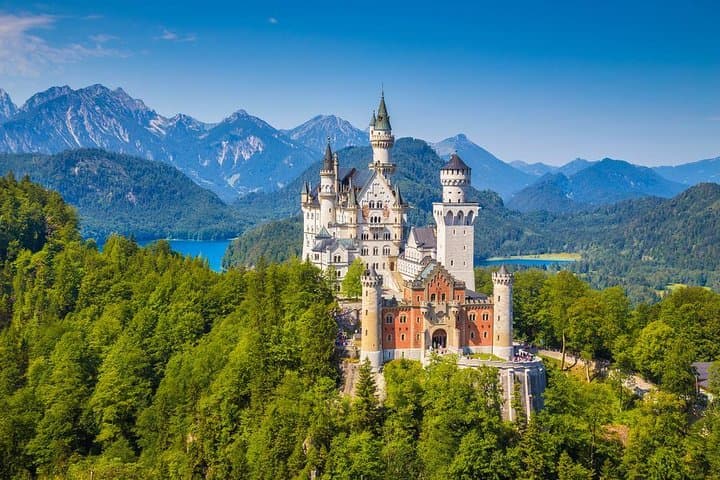
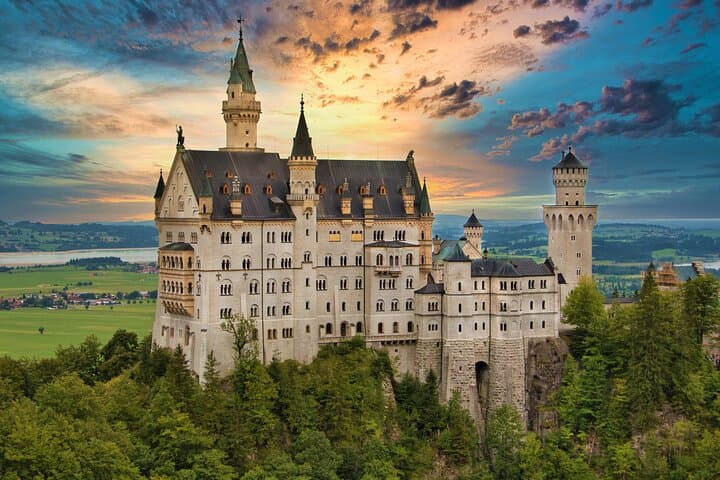
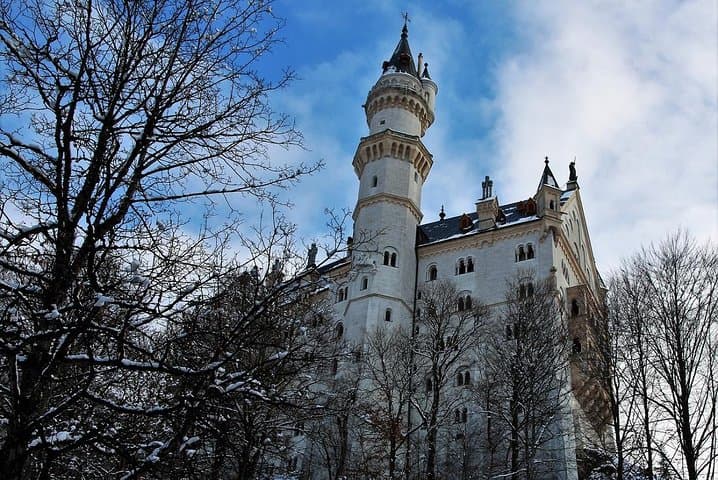
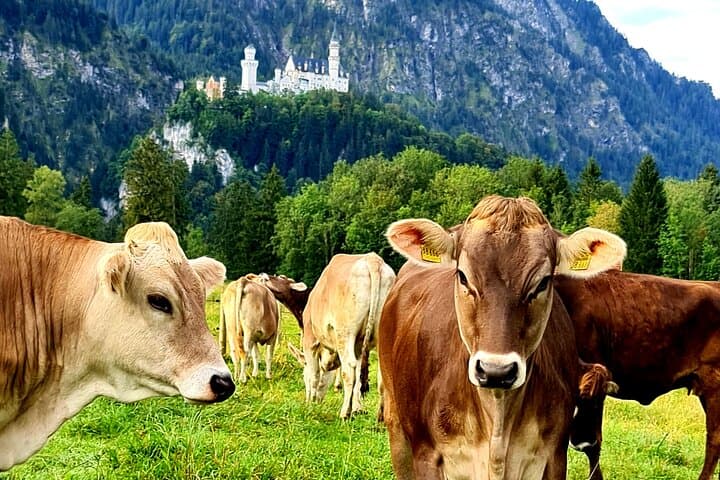
You step out of the minivan with cold mountain air pushing at your face and a jagged silhouette rising above the pines: Neuschwanstein’s white towers catch the light, daring you to climb for the best view. The group crosses Mary’s Bridge for that classic, vertiginous perspective; below, the Pöllat Gorge rushes in a narrow, voice-like whisper.
You step out of the minivan with cold mountain air pushing at your face and a jagged silhouette rising above the pines: Neuschwanstein’s white towers catch the light, daring you to climb for the best view. The group crosses Mary’s Bridge for that classic, vertiginous perspective; below, the Pöllat Gorge rushes in a narrow, voice-like whisper.
This route threads through centuries of Bavarian history. Ludwig II commissioned Neuschwanstein between 1869–1886 as a private retreat and stage set for romantic opera—its rooms echo the king’s fascination with medieval legend and Richard Wagner. Ettal Abbey, founded in 1330, offers Baroque calm and a living Benedictine community, while Oberammergau’s painted facades and woodcarvings recall a village culture tied to the Passion Play tradition.
Geologically this stretch sits on the northern edge of the Alps; limestone outcrops and steep valleys shape short, steep approaches to viewpoints and create the dramatic drops that make the castle’s outlooks spectacular.
Practically: expect a long day—about nine to ten hours roundtrip from Munich—so plan layered clothing, sturdy walking shoes, and a light daypack. The tour includes skip-the-line tickets and hotel pickup, saving you time but not the uphill walk from the shuttle or carriage drop. Mary’s Bridge can close in winter for safety; carriage rides operate seasonally. Bring water, a charged camera, and patience during peak season—crowd management is strict inside the castle. If you want quieter photos, request the earliest pickup available. This trip balances cultured interiors with Alpine air and short, steep outdoor stretches that reward views and historical context in equal measure.