THE ADVENTURE COLLECTIVE® · Independent discovery and booking for outdoor travel

Skip the queues and spend 1.5–2 hours guided through the National Archives’ Rotunda, Public Vaults, and Rubenstein Gallery to see the Declaration, Constitution and other landmark documents up close. Practical tips for security, timing and accessibility included.
Skip the queues and spend 1.5–2 hours guided through the National Archives’ Rotunda, Public Vaults, and Rubenstein Gallery to see the Declaration, Constitution and other landmark documents up close. Practical tips for security, timing and accessibility included.
You step onto the broad limestone steps of a low-slung neoclassical building and the city’s noise softens—security, murmured instructions, the hush that comes with viewing artifacts older than the country they helped create. Inside the National Archives Rotunda, light grazes the glass case that holds the Declaration of Independence; the paper’s edges seem both fragile and stubborn, daring you to read a past that still argues with the present.
Verified experiences and guided adventures in the surrounding area.
Operated by Babylon Tours DC · Washington, DC
You step onto the broad limestone steps of a low-slung neoclassical building and the city’s noise softens—security, murmured instructions, the hush that comes with viewing artifacts older than the country they helped create. Inside the National Archives Rotunda, light grazes the glass case that holds the Declaration of Independence; the paper’s edges seem both fragile and stubborn, daring you to read a past that still argues with the present.
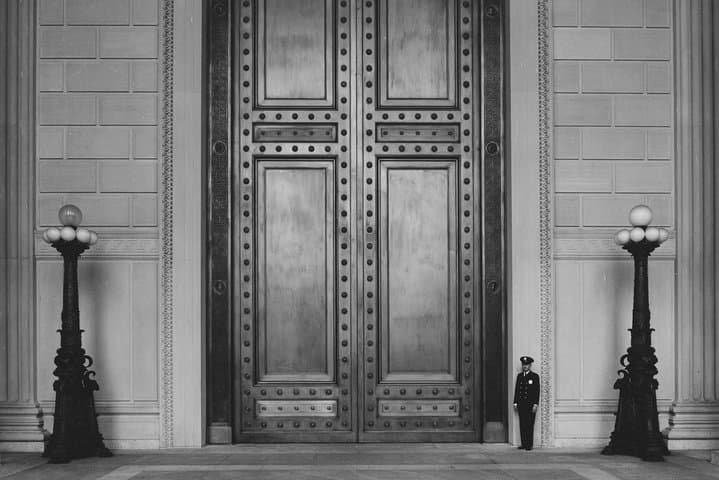
The Archives opened its doors in the 1930s as part of a federal push to centralize and preserve public records. Its architecture borrows classical vocabulary—columns and pediments—to give gravitas to documents whose influence stretches from Magna Carta precedents to Civil War proclamations. Geologically the building sits on low-lying Coastal Plain sediments by the Potomac, its heavy stone a human counterpoint to the softer landscape outside. Culturally, the museum threads together stories of governance, dissent, and everyday correspondence: letters from presidents, petitions from citizens, and the legal scaffolding of rights.
Practical guidance directs the visit: tours run 1.5–2 hours, expect standing and quiet zones, and bring ID if you plan to go beyond public galleries. Bags are small and security thorough; dress comfortably for walking and queues. Photographs are allowed in some spaces but restricted in others—your guide will alert you. Arrive ten minutes early to meet at the bottom of the front stairs on Constitution Avenue NW, and plan to pair the visit with nearby Smithsonian museums or a walk along the Mall. This is a museum tour that rewards curiosity and patience—read closely, listen to provenance, and let the documents frame how ideas became policy.
moderate.
1.5–2 hours.
Able to stand and walk for up to two hours, navigate short staircases and brief security queues.
Yes—this is a timed, guided experience with limited capacity; booking ahead secures a spot and speeds entry.
No; large bags and suitcases are prohibited. Small purses and thin daypacks allowed through security.
Yes—according to the provider, the tour and most museum surfaces are wheelchair accessible; notify the operator of needs when booking.
Photography rules vary by room; the guide will indicate where photography is permitted and where silence or restrictions apply.
The National Archives Building opened in the 1930s to centralize federal records; it houses the Charters of Freedom—the Declaration, Constitution and Bill of Rights—alongside personal papers that reveal everyday American history.
Collections are preserved under strict climate and light controls; visitors help by following photography and handling rules, and by minimizing large items that require extra screening.
Babylon Tours DC operates guided outdoor trips and adventures with an emphasis on safety, stewardship, and memorable experiences.
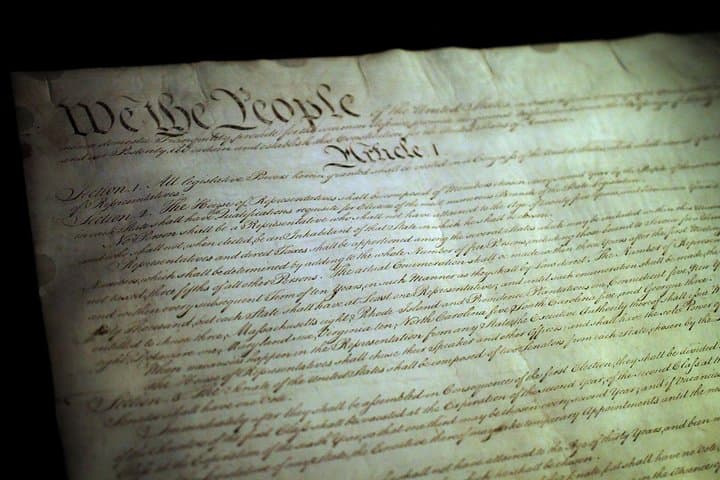
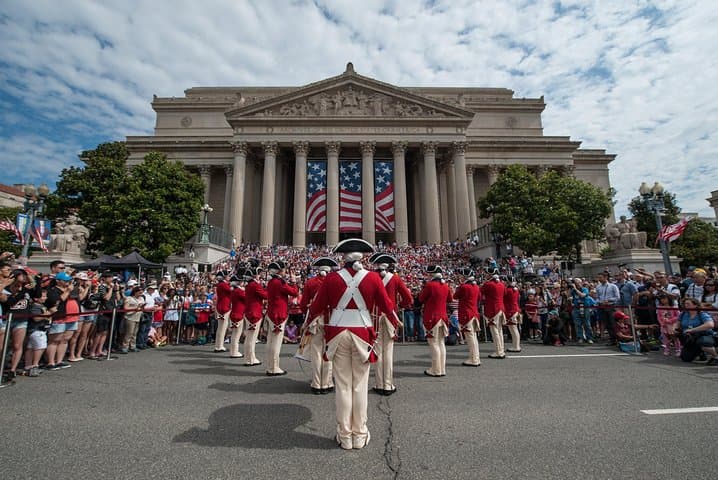
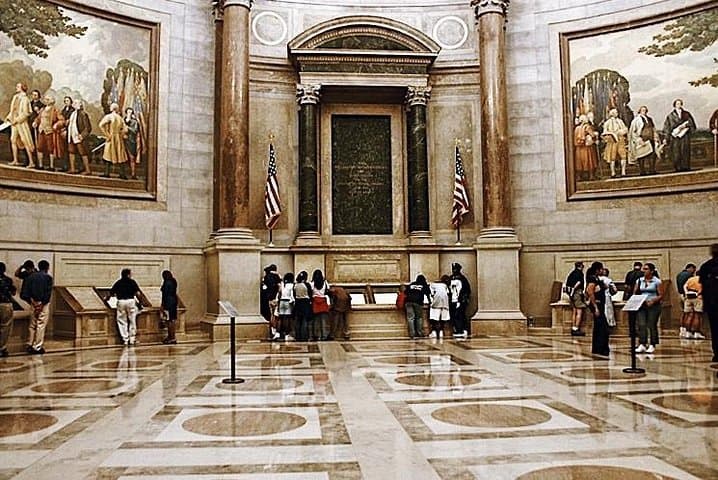
You step onto the broad limestone steps of a low-slung neoclassical building and the city’s noise softens—security, murmured instructions, the hush that comes with viewing artifacts older than the country they helped create. Inside the National Archives Rotunda, light grazes the glass case that holds the Declaration of Independence; the paper’s edges seem both fragile and stubborn, daring you to read a past that still argues with the present.
You step onto the broad limestone steps of a low-slung neoclassical building and the city’s noise softens—security, murmured instructions, the hush that comes with viewing artifacts older than the country they helped create. Inside the National Archives Rotunda, light grazes the glass case that holds the Declaration of Independence; the paper’s edges seem both fragile and stubborn, daring you to read a past that still argues with the present.
The Archives opened its doors in the 1930s as part of a federal push to centralize and preserve public records. Its architecture borrows classical vocabulary—columns and pediments—to give gravitas to documents whose influence stretches from Magna Carta precedents to Civil War proclamations. Geologically the building sits on low-lying Coastal Plain sediments by the Potomac, its heavy stone a human counterpoint to the softer landscape outside. Culturally, the museum threads together stories of governance, dissent, and everyday correspondence: letters from presidents, petitions from citizens, and the legal scaffolding of rights.
Practical guidance directs the visit: tours run 1.5–2 hours, expect standing and quiet zones, and bring ID if you plan to go beyond public galleries. Bags are small and security thorough; dress comfortably for walking and queues. Photographs are allowed in some spaces but restricted in others—your guide will alert you. Arrive ten minutes early to meet at the bottom of the front stairs on Constitution Avenue NW, and plan to pair the visit with nearby Smithsonian museums or a walk along the Mall. This is a museum tour that rewards curiosity and patience—read closely, listen to provenance, and let the documents frame how ideas became policy.