THE ADVENTURE COLLECTIVE® · Independent discovery and booking for outdoor travel

Move quickly from midtown’s MoMA to the Whitney in the Meatpacking District with a mobile skip-the-line ticket. This combo gives efficient access to two of NYC’s defining modern and contemporary art collections—plan for security screening, timed galleries, and 2–4 hours of exploration.
Move quickly from midtown’s MoMA to the Whitney in the Meatpacking District with a mobile skip-the-line ticket. This combo gives efficient access to two of NYC’s defining modern and contemporary art collections—plan for security screening, timed galleries, and 2–4 hours of exploration.
You step off the subway into a corridor of footsteps and voices, a ribbon of city stretching between Midtown and the Meatpacking District. With a mobile QR code in your hand you move past the queue for admission; security still screens bags, but the gates to galleries open faster—two major museums, two distinct takes on American and international modern art.
Verified experiences and guided adventures in the surrounding area.
Operated by Travity · New York, New York
You step off the subway into a corridor of footsteps and voices, a ribbon of city stretching between Midtown and the Meatpacking District. With a mobile QR code in your hand you move past the queue for admission; security still screens bags, but the gates to galleries open faster—two major museums, two distinct takes on American and international modern art.
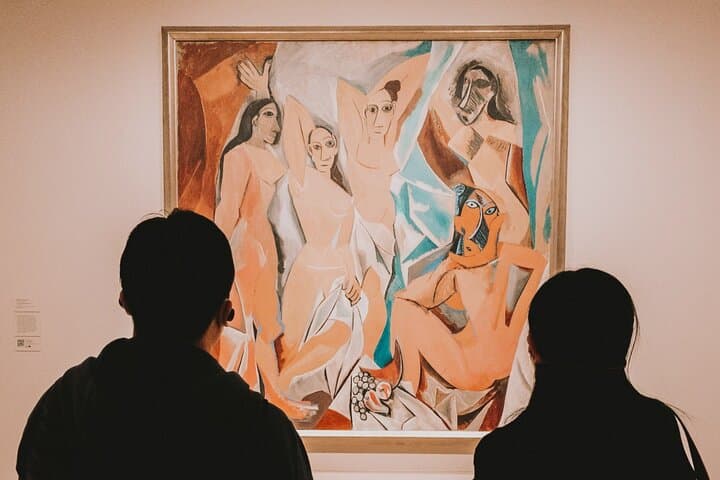
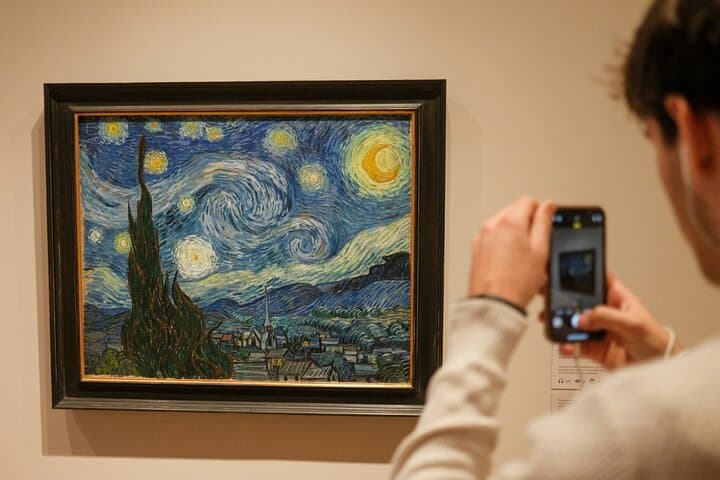
MoMA, founded in 1929, houses a sweeping collection of modernist milestones—van Gogh, Picasso, Pollock—organized around galleries that favor chronological conversation. The Whitney, opened by Gertrude Vanderbilt Whitney in 1931, focuses on 20th- and 21st-century American art and often stages bold, topical exhibitions with exterior terraces that look out toward the Hudson and the High Line. Geology and urban form matter here: the Manhattan bedrock beneath your feet made the island compact and walkable, while the Hudson shaped the neighborhoods that now host these institutions.
Expect a sensory mix—quiet galleries punctuated by crowds at headline paintings, textured sculptures, and intermittent audio installations. Practical rhythm matters: aim for early entry to avoid midday crush; allocate roughly two hours per museum to see highlights without rushing. Security checks are mandatory; large tripods, full-size backpacks, and some food are restricted. Use public transit to avoid traffic, check current exhibitions online before you go, and leave time for the Whitney terrace or MoMA’s Sculpture Garden.
This pass is about efficient access, not private tours—bring comfortable shoes, a charged phone for mobile tickets, and patience for the busiest galleries. These two institutions reward curiosity: follow a single artist through both, or let rotating shows reshape your understanding of contemporary practice.
easy.
2–4 hours.
Light walking and standing; suitable for most fitness levels but bring comfortable shoes
No—skip-the-line bypasses ticket purchase lines but all visitors must pass security screening before entering the lobby.
Yes; the ticket allows entry at your convenience but check each museum’s hours and plan travel time between them.
This product provides mobile tickets without specific timed-entry restrictions, but museums may use timed entry for special exhibitions—check the museum websites if you plan to see special shows.
All sales are final; there are no refunds, so confirm plans before purchasing.
MoMA was founded in 1929 to champion modern art; the Whitney, established by collector Gertrude Vanderbilt Whitney in 1931, emphasizes American artists and experimental exhibitions.
Both institutions pursue sustainable operations—energy-efficient lighting and climate controls—so minimize waste, use public transit, and avoid bringing disposable plastics into galleries.
Travity operates guided outdoor trips and adventures with an emphasis on safety, stewardship, and memorable experiences.
You step off the subway into a corridor of footsteps and voices, a ribbon of city stretching between Midtown and the Meatpacking District. With a mobile QR code in your hand you move past the queue for admission; security still screens bags, but the gates to galleries open faster—two major museums, two distinct takes on American and international modern art.
You step off the subway into a corridor of footsteps and voices, a ribbon of city stretching between Midtown and the Meatpacking District. With a mobile QR code in your hand you move past the queue for admission; security still screens bags, but the gates to galleries open faster—two major museums, two distinct takes on American and international modern art.
MoMA, founded in 1929, houses a sweeping collection of modernist milestones—van Gogh, Picasso, Pollock—organized around galleries that favor chronological conversation. The Whitney, opened by Gertrude Vanderbilt Whitney in 1931, focuses on 20th- and 21st-century American art and often stages bold, topical exhibitions with exterior terraces that look out toward the Hudson and the High Line. Geology and urban form matter here: the Manhattan bedrock beneath your feet made the island compact and walkable, while the Hudson shaped the neighborhoods that now host these institutions.
Expect a sensory mix—quiet galleries punctuated by crowds at headline paintings, textured sculptures, and intermittent audio installations. Practical rhythm matters: aim for early entry to avoid midday crush; allocate roughly two hours per museum to see highlights without rushing. Security checks are mandatory; large tripods, full-size backpacks, and some food are restricted. Use public transit to avoid traffic, check current exhibitions online before you go, and leave time for the Whitney terrace or MoMA’s Sculpture Garden.
This pass is about efficient access, not private tours—bring comfortable shoes, a charged phone for mobile tickets, and patience for the busiest galleries. These two institutions reward curiosity: follow a single artist through both, or let rotating shows reshape your understanding of contemporary practice.