THE ADVENTURE COLLECTIVE® · Independent discovery and booking for outdoor travel

Avoid the ticket line and step directly onto Horton Plains’ misted trails with a guide. Reach World's End and Baker’s Falls on a practical, 3–4 hour highland walk that highlights endemic wildlife and geology.
Avoid the ticket line and step directly onto Horton Plains’ misted trails with a guide. Reach World's End and Baker’s Falls on a practical, 3–4 hour highland walk that highlights endemic wildlife and geology.
Fog pulls across a high plateau and you step into a landscape that alternates between damp cloud forest and wide montane grassland. Early morning light slices through stunted trees; the trail hums with distant bird calls and the occasional drip of mist from leaves. You move toward World's End, a sheer cliff where the plateau yields a hundred‑metre drop and sweeping views of the Central Highlands.
Verified experiences and guided adventures in the surrounding area.
Operated by Lakpura LLC · Ohiya, Central Province
Fog pulls across a high plateau and you step into a landscape that alternates between damp cloud forest and wide montane grassland. Early morning light slices through stunted trees; the trail hums with distant bird calls and the occasional drip of mist from leaves. You move toward World's End, a sheer cliff where the plateau yields a hundred‑metre drop and sweeping views of the Central Highlands.
Horton Plains formed where uplifted Precambrian rock meets heavy monsoon weather, carving peat soils and ridgelines that support endemic plants and mammals. The area was mapped by British surveyors in the 19th century and later protected for its unique montane ecology; local Sinhala and Tamil communities have long used the highlands for small‑scale vegetable plots and sacred sites nearby. Archaeological finds in the park include prehistoric artifacts and evidence of ancient pathways across the plateau.
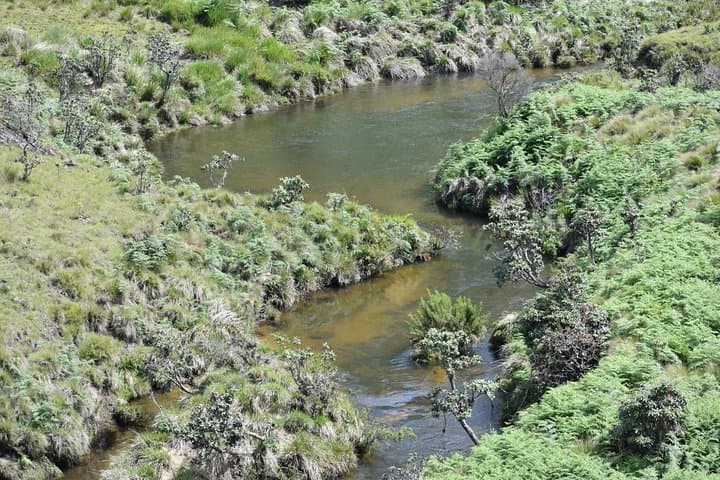
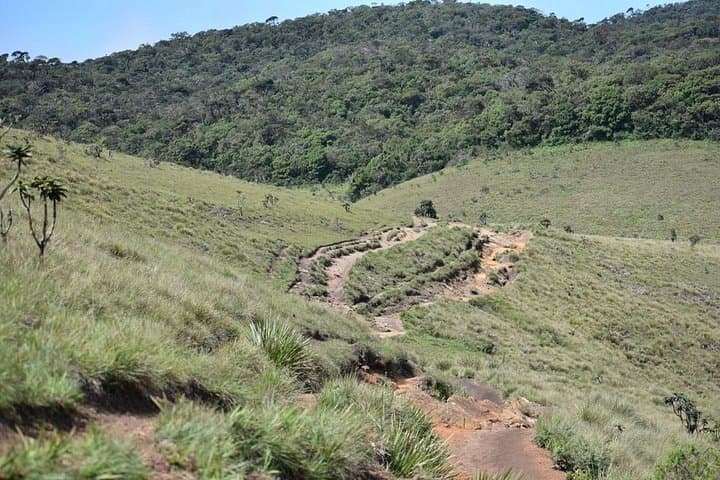
Expect trails that alternate boardwalks and muddy, uneven packed earth with short steep sections—Baker’s Falls is a popular mid‑route detour where water cools the air and the sound fills the clearing. Wildlife is shy: sambar deer and endemic bird species are most visible at dawn.
Practical guidance: book a timed entrance to avoid lines, wear waterproof hiking shoes and layers—temperatures change fast—and start early to reach World's End before cloud cover rolls in. Carry 1–2 liters of water, rain protection, and a camera with spare batteries; trails are marked but a guide clarifies ecology and local stories. The visit is a compact, high‑altitude walk that rewards steady pacing and attention to small details of the cloud forest.
moderate.
3–4 hours.
Moderate fitness: able to hike uneven trails with short steep sections and stand at viewpoints for photos
A guide improves wildlife sightings and explains local ecology; some ticket packages include a guide and park rules require adherence to designated routes.
Arrive at park opening or just before sunrise to beat crowds and increase the chance of clear views at World's End.
The main route is family‑friendly for older children with supervision; watch steep cliff edges and slippery sections.
Yes—the Viator/TripAdvisor confirmation must be exchanged with staff at the arranged starting point to receive the official park ticket.
Surveyed and mapped during British colonial times, the plains were later designated a protected area to conserve rare montane ecosystems and archaeological remnants.
Visitor numbers are managed by timed entries to reduce trampling of fragile peat soils; stay on marked trails and pack out all waste to protect sensitive habitats.
Lakpura LLC operates guided outdoor trips and adventures with an emphasis on safety, stewardship, and memorable experiences.
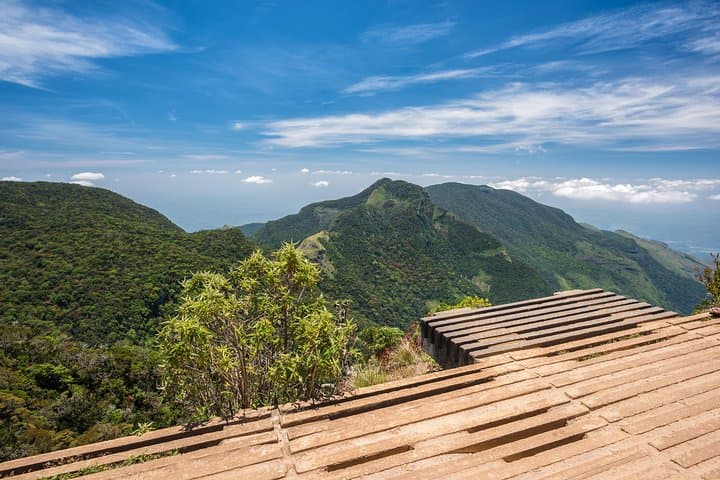
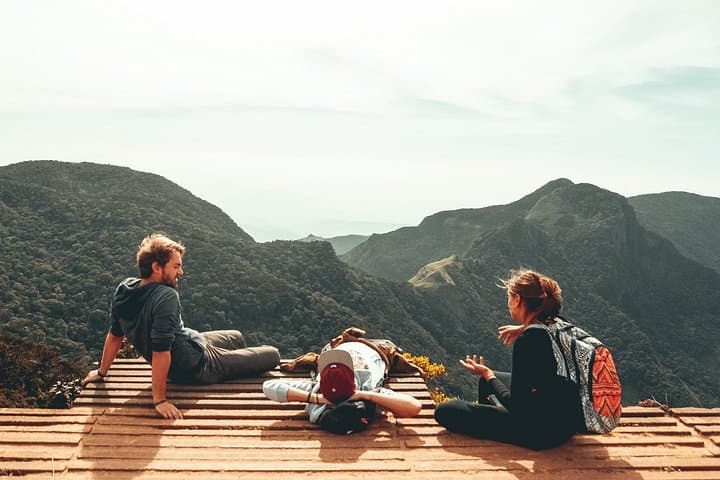
Fog pulls across a high plateau and you step into a landscape that alternates between damp cloud forest and wide montane grassland. Early morning light slices through stunted trees; the trail hums with distant bird calls and the occasional drip of mist from leaves. You move toward World's End, a sheer cliff where the plateau yields a hundred‑metre drop and sweeping views of the Central Highlands.
Fog pulls across a high plateau and you step into a landscape that alternates between damp cloud forest and wide montane grassland. Early morning light slices through stunted trees; the trail hums with distant bird calls and the occasional drip of mist from leaves. You move toward World's End, a sheer cliff where the plateau yields a hundred‑metre drop and sweeping views of the Central Highlands.
Horton Plains formed where uplifted Precambrian rock meets heavy monsoon weather, carving peat soils and ridgelines that support endemic plants and mammals. The area was mapped by British surveyors in the 19th century and later protected for its unique montane ecology; local Sinhala and Tamil communities have long used the highlands for small‑scale vegetable plots and sacred sites nearby. Archaeological finds in the park include prehistoric artifacts and evidence of ancient pathways across the plateau.
Expect trails that alternate boardwalks and muddy, uneven packed earth with short steep sections—Baker’s Falls is a popular mid‑route detour where water cools the air and the sound fills the clearing. Wildlife is shy: sambar deer and endemic bird species are most visible at dawn.
Practical guidance: book a timed entrance to avoid lines, wear waterproof hiking shoes and layers—temperatures change fast—and start early to reach World's End before cloud cover rolls in. Carry 1–2 liters of water, rain protection, and a camera with spare batteries; trails are marked but a guide clarifies ecology and local stories. The visit is a compact, high‑altitude walk that rewards steady pacing and attention to small details of the cloud forest.