THE ADVENTURE COLLECTIVE® · Independent discovery and booking for outdoor travel

Skip the line at Park Güell and walk the Monumental Zone with a guide who explains Gaudí’s organic architecture and little-known design choices. This 90-minute guided visit includes the Gaudí Experience and practical tips for timing, access, and conservation.
Skip the line at Park Güell and walk the Monumental Zone with a guide who explains Gaudí’s organic architecture and little-known design choices. This 90-minute guided visit includes the Gaudí Experience and practical tips for timing, access, and conservation.
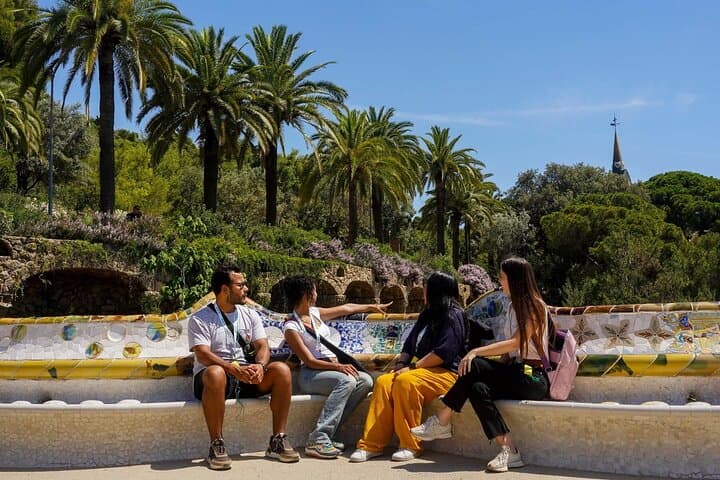
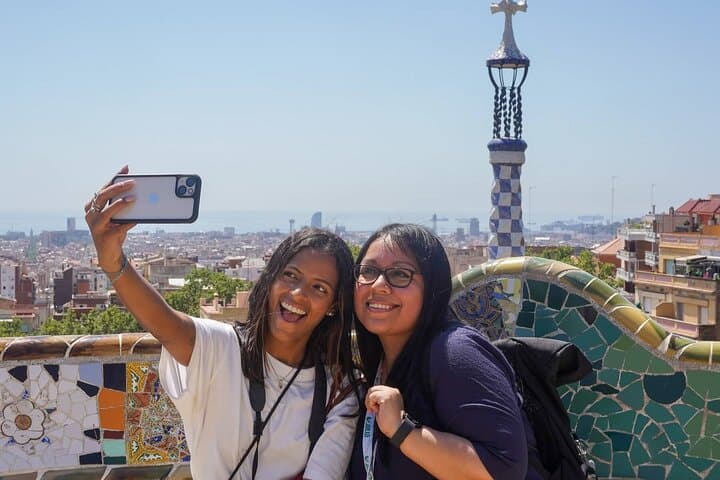
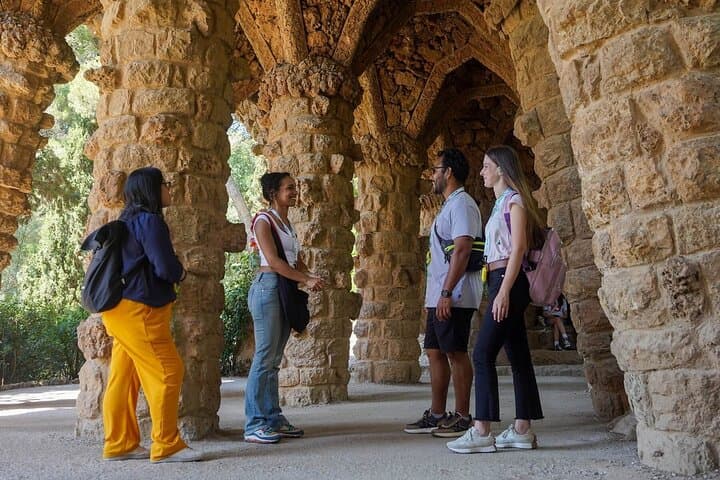
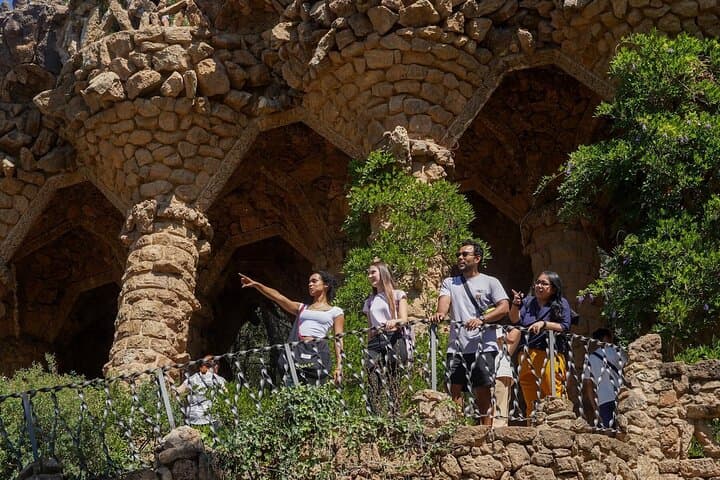
A morning light filters through umbrella pines as visitors arrive at the Gaudí Experience on Carrer de Larrard; the city of Barcelona unfurls below, tiles flashing like a held breath. The guided tour moves deliberately into the Monumental Zone, where undulating benches, mosaic salamanders and columns that mimic tree trunks make architecture feel alive.
Verified experiences and guided adventures in the surrounding area.
Operated by Julia Travel S.L · Barcelona, Catalonia
A morning light filters through umbrella pines as visitors arrive at the Gaudí Experience on Carrer de Larrard; the city of Barcelona unfurls below, tiles flashing like a held breath. The guided tour moves deliberately into the Monumental Zone, where undulating benches, mosaic salamanders and columns that mimic tree trunks make architecture feel alive.
Park Güell began as an early 20th-century housing project that never materialized; Antoni Gaudí repurposed the land into a public garden and an experiment in organic form. The park sits on a gentle hill of Triassic and Jurassic sediments, so terraces and viaducts are both structural and scenic—designed to channel rain, shade promenades and offer staged views of the Mediterranean horizon. Local culture surrounds the site: Catalan modernism, city planning debates and UNESCO designation shape how visitors experience the space.
Practical guidance is simple: check in 15 minutes early at the Gaudí Experience, expect 90 minutes of mostly level walking with some stair sections, and stay within the Monumental Zone where entry is controlled. Photography is encouraged, but resist climbing mosaics—conservation rules protect fragile tile work. Wear comfortable shoes, carry a water bottle, and plan for midday crowds by booking early or late slots.
The visit pairs well with a longer walk through the Gràcia neighborhood or a visit to Sagrada Família, extending the Gaudí thread through Barcelona’s neighborhoods. For anyone attracted to design that leans toward the organic, Park Güell offers a concise, intense look at architecture that moves as if it were grown rather than built.
easy.
1.5 hours.
Suitable for most travelers; light walking ability and ability to manage short stair sections recommended
Yes—the booking provides timed entry to the Monumental Zone; check in at the Gaudí Experience at least 15 minutes before your scheduled time.
Children are welcome, but some routes include stairs; infants must sit on an adult’s lap and strollers may be difficult in tighter areas.
Photography for personal use is allowed, but tripods and professional equipment may be restricted—follow your guide’s instructions.
The park has varying levels and some ramps, but portions of the Monumental Zone have stairs; contact the operator directly to discuss specific accessibility needs.
Originally conceived (1900–1914) as a private housing development, Park Güell was transformed by Gaudí into a public garden and recognized as a UNESCO World Heritage Site in 1984.
Visitor caps and controlled access to the Monumental Zone protect fragile mosaics and engineered terraces; stay on marked paths and avoid touching decorative ceramics.
Julia Travel S.L operates guided outdoor trips and adventures with an emphasis on safety, stewardship, and memorable experiences.
A morning light filters through umbrella pines as visitors arrive at the Gaudí Experience on Carrer de Larrard; the city of Barcelona unfurls below, tiles flashing like a held breath. The guided tour moves deliberately into the Monumental Zone, where undulating benches, mosaic salamanders and columns that mimic tree trunks make architecture feel alive.
A morning light filters through umbrella pines as visitors arrive at the Gaudí Experience on Carrer de Larrard; the city of Barcelona unfurls below, tiles flashing like a held breath. The guided tour moves deliberately into the Monumental Zone, where undulating benches, mosaic salamanders and columns that mimic tree trunks make architecture feel alive.
Park Güell began as an early 20th-century housing project that never materialized; Antoni Gaudí repurposed the land into a public garden and an experiment in organic form. The park sits on a gentle hill of Triassic and Jurassic sediments, so terraces and viaducts are both structural and scenic—designed to channel rain, shade promenades and offer staged views of the Mediterranean horizon. Local culture surrounds the site: Catalan modernism, city planning debates and UNESCO designation shape how visitors experience the space.
Practical guidance is simple: check in 15 minutes early at the Gaudí Experience, expect 90 minutes of mostly level walking with some stair sections, and stay within the Monumental Zone where entry is controlled. Photography is encouraged, but resist climbing mosaics—conservation rules protect fragile tile work. Wear comfortable shoes, carry a water bottle, and plan for midday crowds by booking early or late slots.
The visit pairs well with a longer walk through the Gràcia neighborhood or a visit to Sagrada Família, extending the Gaudí thread through Barcelona’s neighborhoods. For anyone attracted to design that leans toward the organic, Park Güell offers a concise, intense look at architecture that moves as if it were grown rather than built.