THE ADVENTURE COLLECTIVE® · Independent discovery and booking for outdoor travel

Avoid long lines with a priority Giza Pyramids area ticket and door-to-door pickup. See all three pyramids from the plateau, time your visit for sunrise or sunset, and learn what the area ticket covers — and what it doesn't.
Avoid long lines with a priority Giza Pyramids area ticket and door-to-door pickup. See all three pyramids from the plateau, time your visit for sunrise or sunset, and learn what the area ticket covers — and what it doesn't.
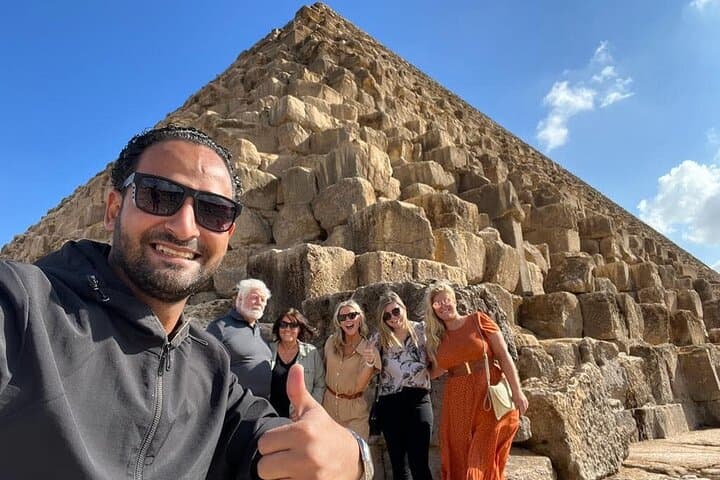
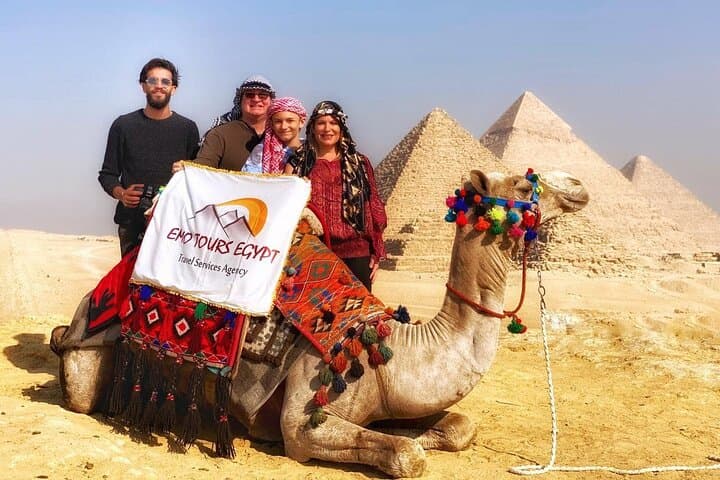
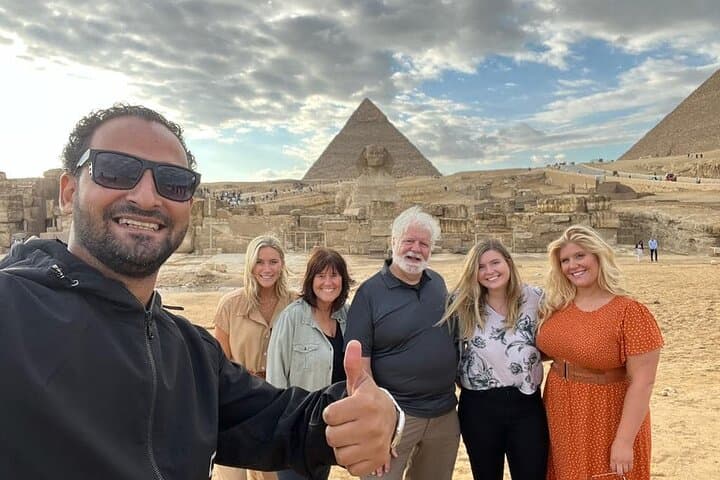
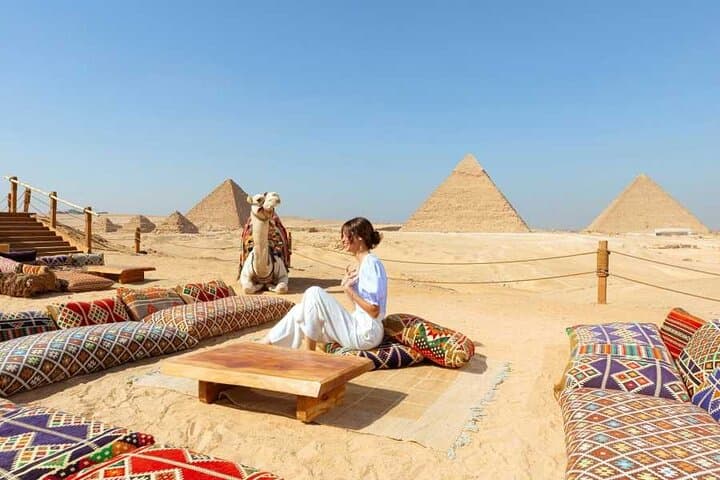
Dawn breaks over the limestone plateau and the three great shapes of Giza slice the pale light. Visitors arrive by air-conditioned car, dropped at the edge of the plateau where sand meets millennia — the Sphinx watching as the day takes shape. With an area ticket you move across open ground to view the Great Pyramid, Khafre and Menkaure from outside, tracking the contours of ancient masonry and the shadows that give the stones their scale.
Verified experiences and guided adventures in the surrounding area.
Operated by Travelino Egypt · Giza, Giza Governorate
Dawn breaks over the limestone plateau and the three great shapes of Giza slice the pale light. Visitors arrive by air-conditioned car, dropped at the edge of the plateau where sand meets millennia — the Sphinx watching as the day takes shape. With an area ticket you move across open ground to view the Great Pyramid, Khafre and Menkaure from outside, tracking the contours of ancient masonry and the shadows that give the stones their scale.
This landscape was shaped more than four thousand years ago during Egypt’s Old Kingdom; the pyramids began as royal tombs in the 4th Dynasty and remain monumental markers of ancient engineering and funerary belief. Geologically the plateau is a bedrock of limestone and calcite; wind and tourists steadily polish its surfaces. Local culture blends modern Cairene life with street-side vendors and camel handlers, and pickup service smooths the logistics so travelers can focus on the site.
Practical notes: expect flat, sandy walking with uneven flagstones near entrances, limited shade, and strong sun most of the year. Area tickets do not permit entry into pyramid interiors—those require separate tickets. For a better experience, plan an early morning or late afternoon slot to avoid the heat and midday crowds, carry plenty of water, and wear sturdy shoes for gritty surfaces. Drivers typically provide a short drop-off and pick-up window; clarify timing when you book. Respect signage and barriers to protect fragile archaeology and ensure the experience endures for the next visitor.
easy.
3–5 hours.
Suitable for travelers in basic walking shape; expect 1–2 miles of walking on uneven, sandy surfaces.
No; the area ticket covers access to the Giza Plateau and views of the pyramids from outside. Separate interior tickets are required to enter the Great Pyramid or others.
Yes; the booking includes air-conditioned vehicle pickup and return within Cairo or Giza—confirm your pickup point and time when you book.
Accessibility is limited: surfaces are uneven and sandy, and the site has few paved routes; travelers with mobility concerns should contact the operator ahead to discuss options.
Full refunds are available if you cancel at least 24 hours before the scheduled departure time; cancellations within 24 hours are not refundable.
The pyramids at Giza date to Egypt’s 4th Dynasty (c. 2600–2500 BCE) and were built as monumental royal tombs using local limestone and complex labor organization.
Heavy visitor traffic accelerates erosion of ancient surfaces; stick to marked paths, avoid leaning on stonework, and follow local guidance to minimize impact.
Travelino Egypt operates guided outdoor trips and adventures with an emphasis on safety, stewardship, and memorable experiences.
Dawn breaks over the limestone plateau and the three great shapes of Giza slice the pale light. Visitors arrive by air-conditioned car, dropped at the edge of the plateau where sand meets millennia — the Sphinx watching as the day takes shape. With an area ticket you move across open ground to view the Great Pyramid, Khafre and Menkaure from outside, tracking the contours of ancient masonry and the shadows that give the stones their scale.
Dawn breaks over the limestone plateau and the three great shapes of Giza slice the pale light. Visitors arrive by air-conditioned car, dropped at the edge of the plateau where sand meets millennia — the Sphinx watching as the day takes shape. With an area ticket you move across open ground to view the Great Pyramid, Khafre and Menkaure from outside, tracking the contours of ancient masonry and the shadows that give the stones their scale.
This landscape was shaped more than four thousand years ago during Egypt’s Old Kingdom; the pyramids began as royal tombs in the 4th Dynasty and remain monumental markers of ancient engineering and funerary belief. Geologically the plateau is a bedrock of limestone and calcite; wind and tourists steadily polish its surfaces. Local culture blends modern Cairene life with street-side vendors and camel handlers, and pickup service smooths the logistics so travelers can focus on the site.
Practical notes: expect flat, sandy walking with uneven flagstones near entrances, limited shade, and strong sun most of the year. Area tickets do not permit entry into pyramid interiors—those require separate tickets. For a better experience, plan an early morning or late afternoon slot to avoid the heat and midday crowds, carry plenty of water, and wear sturdy shoes for gritty surfaces. Drivers typically provide a short drop-off and pick-up window; clarify timing when you book. Respect signage and barriers to protect fragile archaeology and ensure the experience endures for the next visitor.