THE ADVENTURE COLLECTIVE® · Independent discovery and booking for outdoor travel

Move through Beijing’s imperial compound with a private, expert guide and skip ticket queues by meeting at Hotel Kapok. This 2–4 hour walking visit pairs architectural reading with practical tips on timing, tickets and accessibility.
Move through Beijing’s imperial compound with a private, expert guide and skip ticket queues by meeting at Hotel Kapok. This 2–4 hour walking visit pairs architectural reading with practical tips on timing, tickets and accessibility.
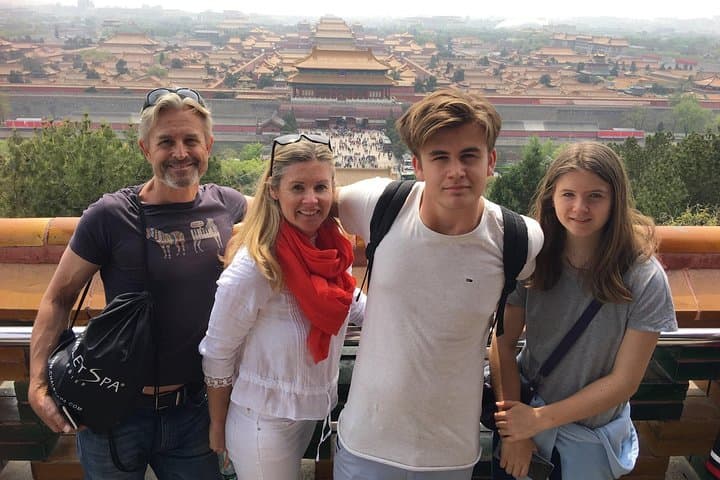
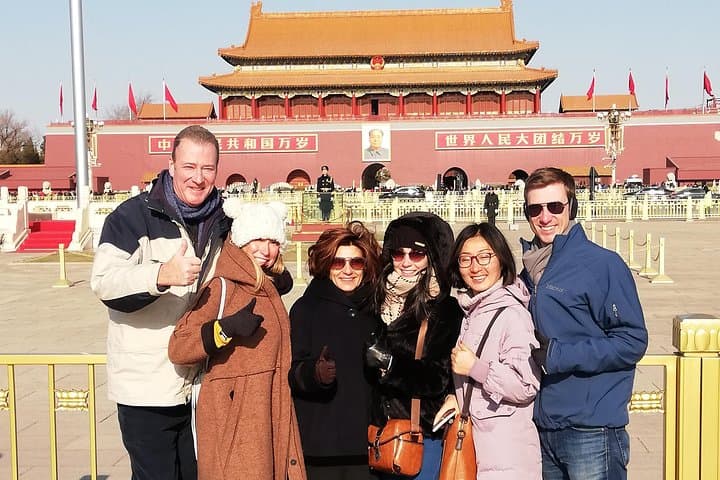
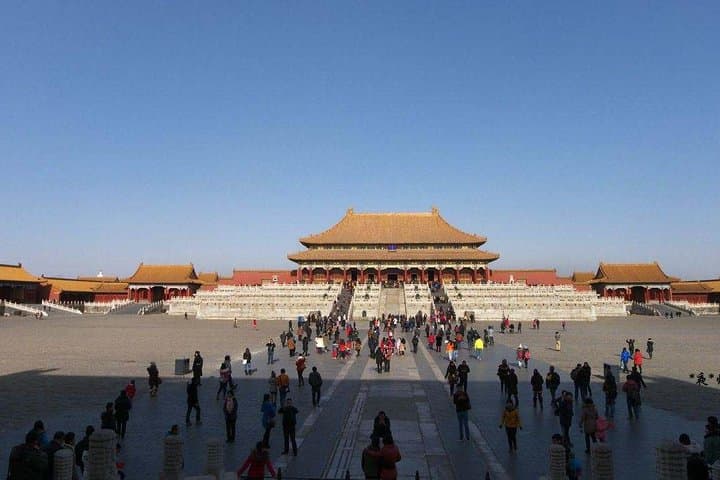
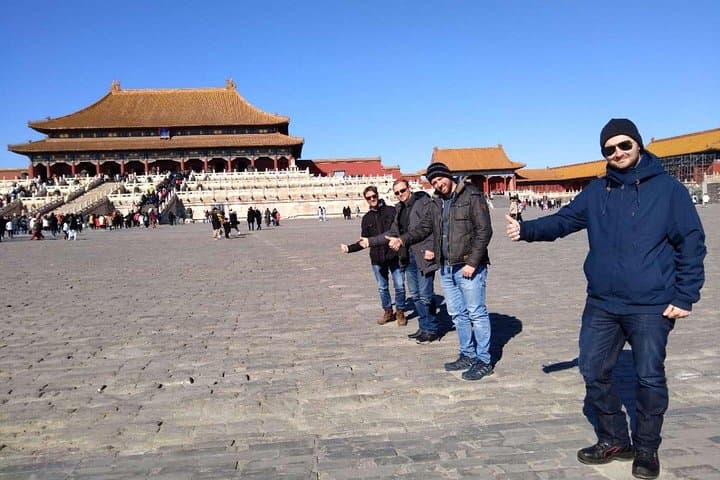
You meet your guide outside Hotel Kapok at Donghua Gate, the city’s eastern hinge, where the taxi drops off and the crowds thin. Sunlight finds the lacquered red walls first, warming century-old paint while marble steps cool underfoot; the palace waits like a city of carved rules, each courtyard a deliberate stage.
Verified experiences and guided adventures in the surrounding area.
Operated by Beijing Private Tours · Beijing, Beijing
You meet your guide outside Hotel Kapok at Donghua Gate, the city’s eastern hinge, where the taxi drops off and the crowds thin. Sunlight finds the lacquered red walls first, warming century-old paint while marble steps cool underfoot; the palace waits like a city of carved rules, each courtyard a deliberate stage.
The Forbidden City was raised in the early 15th century by the Yongle Emperor and served Ming and Qing courts for nearly 500 years. Its timber halls, golden roofs and white-marble bridges reflect imperial order—axial symmetry set against the flat plain of Beijing. Culture here is layered: Confucian ritual, palace administration and modern tourism intersect in the same paved squares. Local insight: afternoons typically see shorter lines at the Donghua Gate, and showing the hotel address in Chinese to a taxi avoids circuitous detours.
This private walking tour runs roughly 2–4 hours, includes admission and a vetted guide who reads architecture, symbolism and court life aloud. Expect paved surfaces, security checkpoints and long spans of standing; strollers are possible but some thresholds and steps remain. Book at least seven days ahead for ticket processing (two days if you supply your own ticket). Bring a water bottle, sun protection and your passport copy for ticket issuance. Wear supportive footwear and plan for security screening time. The guide’s narration turns painted beams and throne rooms from static objects into a living civic story—exact, archaeological and unexpectedly human.
easy.
2–4 hours.
Comfortable walking ability for several hours; able to stand through security checks and climb short flights of steps.
If you need the tour operator to secure Forbidden City tickets, book at least 7 days ahead; if you already have your own valid ticket you can reserve the tour 2 days before.
The guide meets at Hotel Kapok (东华门木棉花酒店) on Donghua Gate Street—show the Chinese address to your driver to avoid long queues at Tiananmen Square.
This tour includes the Forbidden City admission ticket obtained in advance by the operator; you must provide passport details at booking for ticket issuance.
The tour notes stroller accessibility for infants, but expect some thresholds, steps and uneven surfaces inside certain courtyard areas; full wheelchair access is limited in parts of the complex.
Constructed under the Yongle Emperor in the early 1400s, the Forbidden City was the imperial seat for Ming and Qing dynasties and designed along strict axial symmetry to reflect cosmic order.
Visitor capacity controls and ticketed entry help protect wooden structures and painted surfaces; follow signage, avoid touching murals and carry out litter to help preservation.
Beijing Private Tours operates guided outdoor trips and adventures with an emphasis on safety, stewardship, and memorable experiences.
You meet your guide outside Hotel Kapok at Donghua Gate, the city’s eastern hinge, where the taxi drops off and the crowds thin. Sunlight finds the lacquered red walls first, warming century-old paint while marble steps cool underfoot; the palace waits like a city of carved rules, each courtyard a deliberate stage.
You meet your guide outside Hotel Kapok at Donghua Gate, the city’s eastern hinge, where the taxi drops off and the crowds thin. Sunlight finds the lacquered red walls first, warming century-old paint while marble steps cool underfoot; the palace waits like a city of carved rules, each courtyard a deliberate stage.
The Forbidden City was raised in the early 15th century by the Yongle Emperor and served Ming and Qing courts for nearly 500 years. Its timber halls, golden roofs and white-marble bridges reflect imperial order—axial symmetry set against the flat plain of Beijing. Culture here is layered: Confucian ritual, palace administration and modern tourism intersect in the same paved squares. Local insight: afternoons typically see shorter lines at the Donghua Gate, and showing the hotel address in Chinese to a taxi avoids circuitous detours.
This private walking tour runs roughly 2–4 hours, includes admission and a vetted guide who reads architecture, symbolism and court life aloud. Expect paved surfaces, security checkpoints and long spans of standing; strollers are possible but some thresholds and steps remain. Book at least seven days ahead for ticket processing (two days if you supply your own ticket). Bring a water bottle, sun protection and your passport copy for ticket issuance. Wear supportive footwear and plan for security screening time. The guide’s narration turns painted beams and throne rooms from static objects into a living civic story—exact, archaeological and unexpectedly human.