THE ADVENTURE COLLECTIVE® · Independent discovery and booking for outdoor travel

Skip the long queues and let a guide place Paris at your feet from the Eiffel Tower’s platforms. This reserved-access tour moves you to the second floor — with an optional summit — while unpacking the tower’s history and best viewpoints.
Skip the long queues and let a guide place Paris at your feet from the Eiffel Tower’s platforms. This reserved-access tour moves you to the second floor — with an optional summit — while unpacking the tower’s history and best viewpoints.
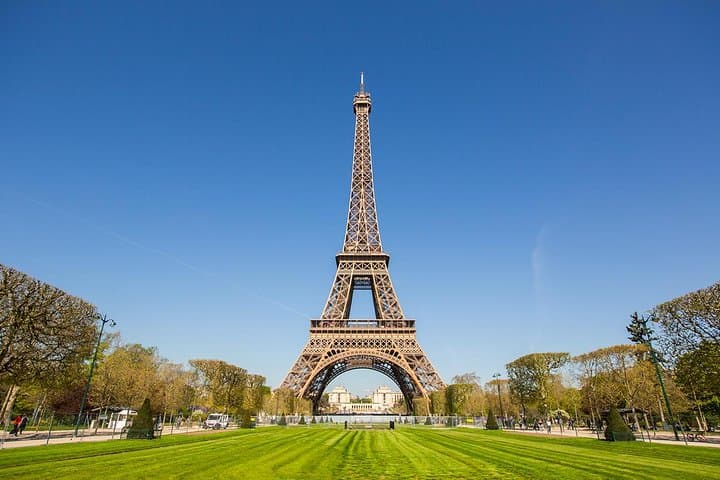
You step out of the Parisian pavement into a square of iron and wind — the Eiffel Tower rises, lattice ribs glinting, elevators humming like distant machinery. A guide meets you five minutes from the Champ de Mars, checks tickets and steers the group through the queue system so your time is spent on the platforms, not in line.
Verified experiences and guided adventures in the surrounding area.
Operated by HISTORY GROUP · Paris, Ile-de-France
You step out of the Parisian pavement into a square of iron and wind — the Eiffel Tower rises, lattice ribs glinting, elevators humming like distant machinery. A guide meets you five minutes from the Champ de Mars, checks tickets and steers the group through the queue system so your time is spent on the platforms, not in line.
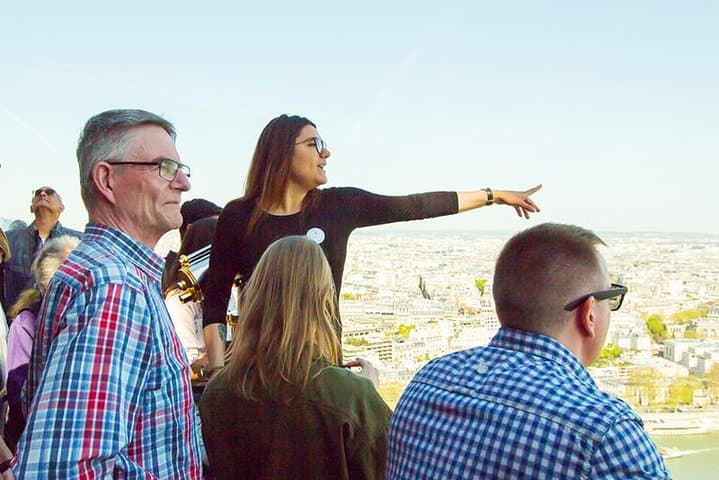
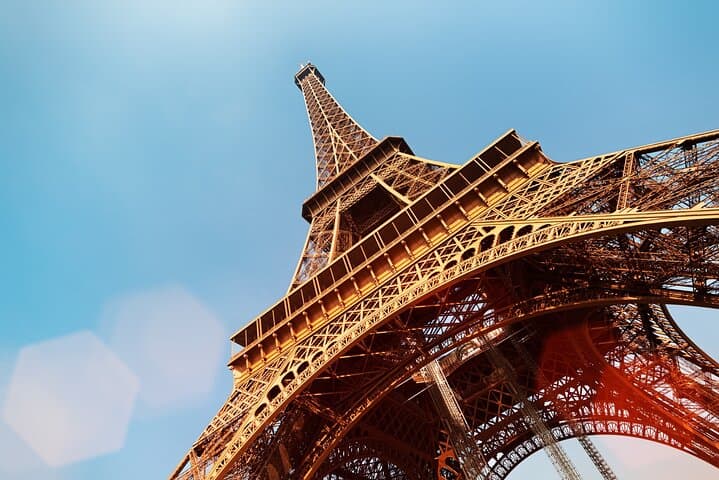
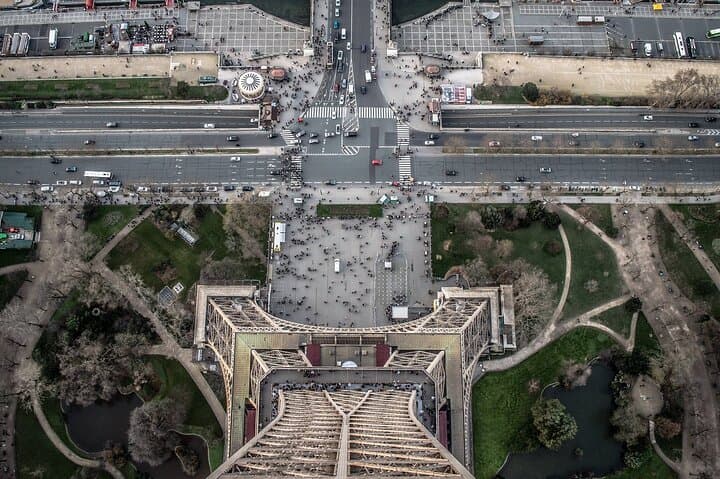
Built for the 1889 Exposition Universelle by Gustave Eiffel, the tower is both industrial landmark and national icon. The structure is wrought iron, assembled with rivets and precision; its form reflects 19th-century advances in engineering rather than classical aesthetics. On the second floor the city spreads outward: the Seine cuts through arrondissements, boulevards march away and domes and spires punctuate the horizon. The summit, at 324 m, delivers a thinner air and a horizon that makes Paris look measured and human-scale.
Culturally, the Tower has been a stage for celebration, protest and scientific experiments — a fixture of modern French life. Weather and maintenance sometimes close the summit; guides will reroute plans if safety or visibility demand it.
Practical notes: meet at 38 avenue de la Bourdonnais 15 minutes early, bring a mobile or printed ticket, and expect security screening. Wear comfortable shoes for standing and moving between platforms. Plan visits early morning or late afternoon to avoid the longest elevator waits and to catch softer light for photos. Keep a small bag for essentials; summit access may be limited for mobility-impaired travelers. With reserved entry and a knowledgable host, you trade queue time for context and the chance to read the city from an iron vantage point.
easy.
1.5 hours.
Suitable for all fitness levels; involves standing, walking between platforms and using elevators
A mobile ticket is accepted, but have it readily available at check-in to speed the process.
No — the summit can close for safety, weather, or maintenance; guides will advise alternatives if closed.
Second-floor access via elevators is generally possible, but summit access is not wheelchair-accessible; check specific accessibility details before booking.
Children under 4 still require a ticket to enter; ensure you add appropriate tickets when booking.
Constructed between 1887–1889 for the Exposition Universelle, the tower showcased new iron-building techniques and fast became a symbol of modern France.
The Eiffel Tower undergoes regular painting cycles and structural maintenance to limit corrosion; visitor management measures help protect access and minimize impact.
HISTORY GROUP operates guided outdoor trips and adventures with an emphasis on safety, stewardship, and memorable experiences.
You step out of the Parisian pavement into a square of iron and wind — the Eiffel Tower rises, lattice ribs glinting, elevators humming like distant machinery. A guide meets you five minutes from the Champ de Mars, checks tickets and steers the group through the queue system so your time is spent on the platforms, not in line.
You step out of the Parisian pavement into a square of iron and wind — the Eiffel Tower rises, lattice ribs glinting, elevators humming like distant machinery. A guide meets you five minutes from the Champ de Mars, checks tickets and steers the group through the queue system so your time is spent on the platforms, not in line.
Built for the 1889 Exposition Universelle by Gustave Eiffel, the tower is both industrial landmark and national icon. The structure is wrought iron, assembled with rivets and precision; its form reflects 19th-century advances in engineering rather than classical aesthetics. On the second floor the city spreads outward: the Seine cuts through arrondissements, boulevards march away and domes and spires punctuate the horizon. The summit, at 324 m, delivers a thinner air and a horizon that makes Paris look measured and human-scale.
Culturally, the Tower has been a stage for celebration, protest and scientific experiments — a fixture of modern French life. Weather and maintenance sometimes close the summit; guides will reroute plans if safety or visibility demand it.
Practical notes: meet at 38 avenue de la Bourdonnais 15 minutes early, bring a mobile or printed ticket, and expect security screening. Wear comfortable shoes for standing and moving between platforms. Plan visits early morning or late afternoon to avoid the longest elevator waits and to catch softer light for photos. Keep a small bag for essentials; summit access may be limited for mobility-impaired travelers. With reserved entry and a knowledgable host, you trade queue time for context and the chance to read the city from an iron vantage point.