THE ADVENTURE COLLECTIVE® · Independent discovery and booking for outdoor travel

Explore the District Six Museum with a private licensed guide and skip-the-line access. This two-hour tour traces forced removals, community resilience, and the cultural life erased by apartheid.
Explore the District Six Museum with a private licensed guide and skip-the-line access. This two-hour tour traces forced removals, community resilience, and the cultural life erased by apartheid.
You meet your guide outside the Urban Oasis Aparthotel on Plein Street and the city’s layered noise shifts into a focused walk: traffic, hawkers, and the distant silhouette of Table Mountain. A short stroll brings you to the District Six Museum, a former church where exhibits and donated belongings map lives erased under apartheid. Inside, handwritten notes, street signs and patched maps give the room a careful, human scale.
Verified experiences and guided adventures in the surrounding area.
Operated by New York City Tours · Cape Town, Western Cape
You meet your guide outside the Urban Oasis Aparthotel on Plein Street and the city’s layered noise shifts into a focused walk: traffic, hawkers, and the distant silhouette of Table Mountain. A short stroll brings you to the District Six Museum, a former church where exhibits and donated belongings map lives erased under apartheid. Inside, handwritten notes, street signs and patched maps give the room a careful, human scale.
District Six was a bustling, mixed community until the 1960s and ’70s when the Group Areas Act declared it a whites-only zone and more than 60,000 residents were forcibly removed. The museum documents that social rupture and the cultural life—music, small businesses, kin networks—that defined the neighborhood. Geologically, you’ll still feel Cape Town’s presence: granite ridges and low-lying urban plains shape the city’s movement and views outside the museum windows.
On this private, two-hour tour your licensed guide connects objects to policy, resistance, and memory, tailoring the pace to your interests. Skip-the-line access generally shortens wait but expect security screening at peak times. The experience balances close-looking at artifacts with broader context about urban planning, restitution efforts, and how Cape Town’s communities have been reshaped since apartheid.
Practical notes: bring ID, a charged phone for photos, and comfortable shoes for short urban walking between sites. The museum is wheelchair accessible and the tour is suitable for all fitness levels. Ask your guide about nearby sites—local churches, murals, and small cafés—if you want to continue exploring the area after the tour.
easy.
2 hours.
Suitable for all fitness levels; light walking and standing involved
The private tour is approximately two hours, focused on the District Six Museum and nearby points of interest.
Yes—the museum and tour route are wheelchair accessible; indicate any special needs when booking.
Skip-the-line grants priority entry to the main exhibition, but you may still encounter short waits for security checks at busy times.
Yes—this private tour is tailored to your group's pace and interests; request deeper focus on restitution, personal stories, or apartheid-era policy.
District Six was declared a whites-only area under the 1966 Group Areas Act; over 60,000 residents were removed and their homes demolished in the following decades.
The museum preserves donated artifacts and oral histories; visitors help sustain these collections through respectful engagement and donations to local heritage programs.
New York City Tours operates guided outdoor trips and adventures with an emphasis on safety, stewardship, and memorable experiences.
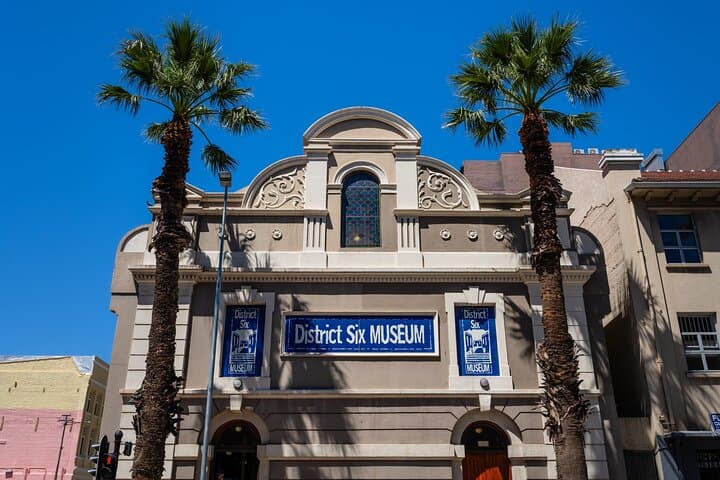


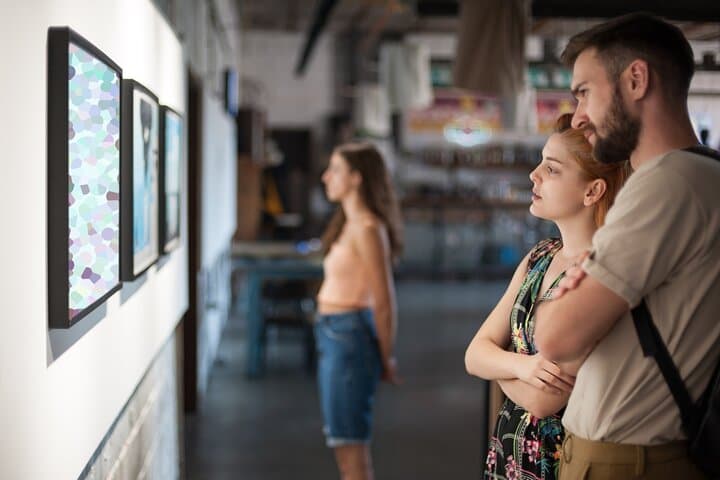
You meet your guide outside the Urban Oasis Aparthotel on Plein Street and the city’s layered noise shifts into a focused walk: traffic, hawkers, and the distant silhouette of Table Mountain. A short stroll brings you to the District Six Museum, a former church where exhibits and donated belongings map lives erased under apartheid. Inside, handwritten notes, street signs and patched maps give the room a careful, human scale.
You meet your guide outside the Urban Oasis Aparthotel on Plein Street and the city’s layered noise shifts into a focused walk: traffic, hawkers, and the distant silhouette of Table Mountain. A short stroll brings you to the District Six Museum, a former church where exhibits and donated belongings map lives erased under apartheid. Inside, handwritten notes, street signs and patched maps give the room a careful, human scale.
District Six was a bustling, mixed community until the 1960s and ’70s when the Group Areas Act declared it a whites-only zone and more than 60,000 residents were forcibly removed. The museum documents that social rupture and the cultural life—music, small businesses, kin networks—that defined the neighborhood. Geologically, you’ll still feel Cape Town’s presence: granite ridges and low-lying urban plains shape the city’s movement and views outside the museum windows.
On this private, two-hour tour your licensed guide connects objects to policy, resistance, and memory, tailoring the pace to your interests. Skip-the-line access generally shortens wait but expect security screening at peak times. The experience balances close-looking at artifacts with broader context about urban planning, restitution efforts, and how Cape Town’s communities have been reshaped since apartheid.
Practical notes: bring ID, a charged phone for photos, and comfortable shoes for short urban walking between sites. The museum is wheelchair accessible and the tour is suitable for all fitness levels. Ask your guide about nearby sites—local churches, murals, and small cafés—if you want to continue exploring the area after the tour.