THE ADVENTURE COLLECTIVE® · Independent discovery and booking for outdoor travel

Bypass queues and move straight into Rome’s ancient heart with fast-entry tickets to the Colosseum, Roman Forum, and Palatine Hill. This concise guide covers what to expect—history, practical tips, and how to prepare for uneven terrain and security checks.
Bypass queues and move straight into Rome’s ancient heart with fast-entry tickets to the Colosseum, Roman Forum, and Palatine Hill. This concise guide covers what to expect—history, practical tips, and how to prepare for uneven terrain and security checks.
You step through the modern turnstiles and the city’s long history presses close: the Colosseum’s arches loom above, the Forum’s broken columns frame a horizon of terracotta roofs, and Palatine’s terraces slope into olive-scented gardens.
Verified experiences and guided adventures in the surrounding area.
Operated by Exploria · Rome, Lazio
You step through the modern turnstiles and the city’s long history presses close: the Colosseum’s arches loom above, the Forum’s broken columns frame a horizon of terracotta roofs, and Palatine’s terraces slope into olive-scented gardens.
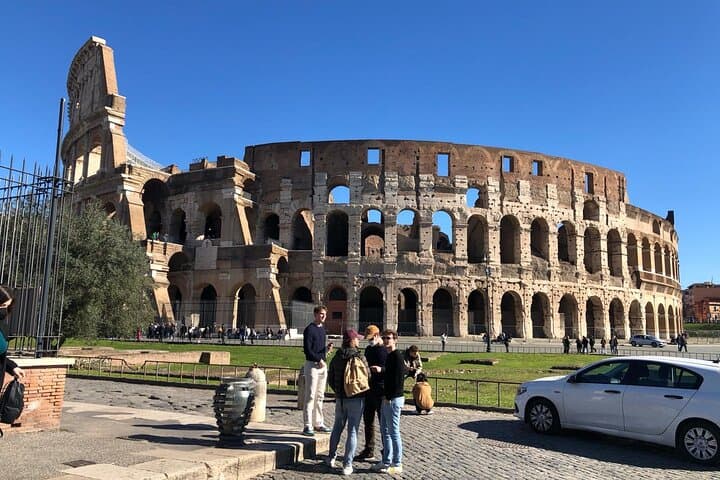
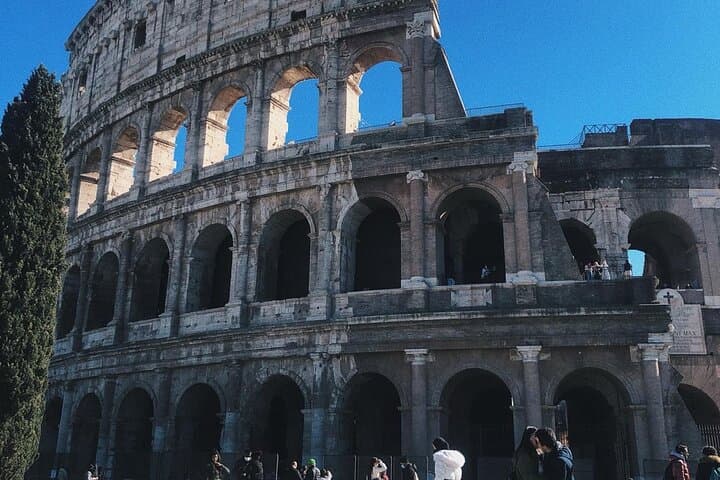
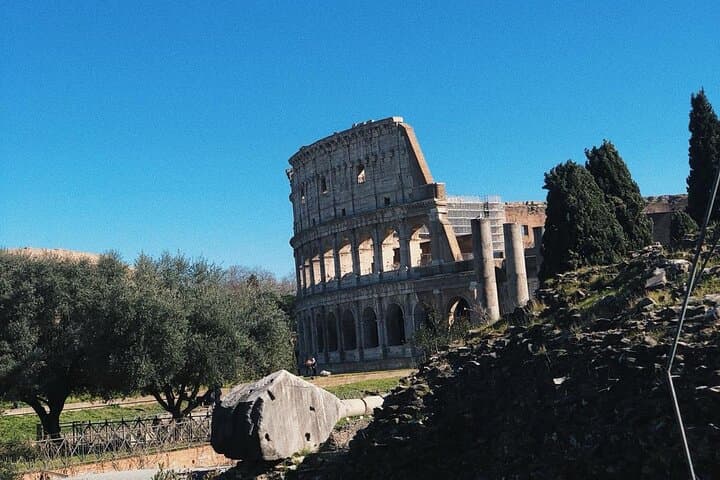
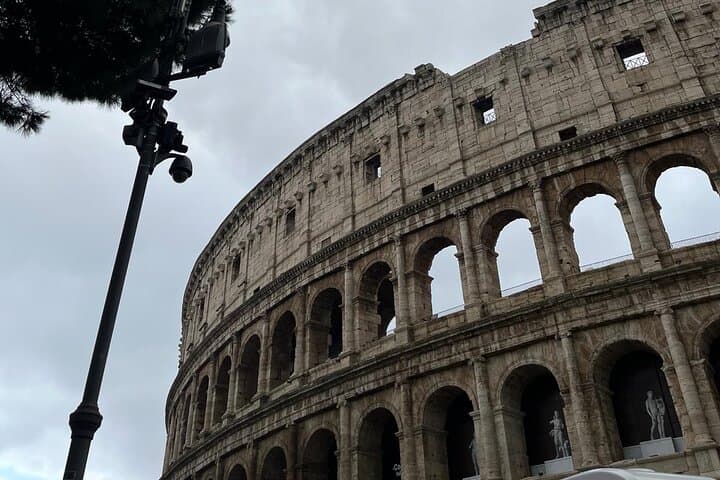
This three-hour fast-entry experience bundles the three sites that map Rome’s rise. The Colosseum (built AD 72–80) showcases Roman engineering in travertine and concrete; beneath the arena, service corridors and cells hint at the spectacle economy that once filled the stands. The Roman Forum was the civic center—processions and politics played out among temples and basilicas—while Palatine Hill hosted imperial palaces and panoramic views of the city.
Geology shows in the stone: local travertine and volcanic tufa weather differently, creating the patchwork skin of the ruins. Culturally, these places remain living classrooms—archaeology is ongoing, so expect fenced excavations and rotating exhibits. Practical details matter: tickets are mobile-only and must match the full names and IDs you provide, and all visitors pass metal detectors.
Plan for uneven paths, sun, and crowds. Wear supportive shoes and a light layer; carry a refillable bottle and use the included audio guide to give context while you navigate open-air ruins. Arrive 10–15 minutes early for security, avoid the midday throng if you can, and be prepared for occasional itinerary tweaks communicated by email or WhatsApp. Respect fenced areas and signage—conservation depends on visitor behavior—and you’ll leave having walked through two millennia of civic life.
easy.
2–3 hours.
Basic walking fitness; able to manage short flights of steps and uneven surfaces for several hours.
Yes—each ticket must match a valid passport or government ID presented at entry; provide full names when booking.
Possibly—skip-the-line covers ticket lines but all visitors must pass metal detector checks which can form short queues on busy days.
Parts of the sites are uneven; some areas are stroller- or wheelchair-accessible but access to the arena floor or certain terraces may be restricted.
Yes—an audio guide is listed as included to provide historical context as you move between the Colosseum, Forum, and Palatine Hill.
The Colosseum was inaugurated under Emperor Titus around AD 80; the Roman Forum functioned as the political and social center for the Republic and Empire, while Palatine Hill housed imperial residences.
High visitor numbers and weathering challenge the sites; follow signage, avoid touching fragile surfaces, and use marked paths to support preservation efforts.
Exploria operates guided outdoor trips and adventures with an emphasis on safety, stewardship, and memorable experiences.
You step through the modern turnstiles and the city’s long history presses close: the Colosseum’s arches loom above, the Forum’s broken columns frame a horizon of terracotta roofs, and Palatine’s terraces slope into olive-scented gardens.
You step through the modern turnstiles and the city’s long history presses close: the Colosseum’s arches loom above, the Forum’s broken columns frame a horizon of terracotta roofs, and Palatine’s terraces slope into olive-scented gardens.
This three-hour fast-entry experience bundles the three sites that map Rome’s rise. The Colosseum (built AD 72–80) showcases Roman engineering in travertine and concrete; beneath the arena, service corridors and cells hint at the spectacle economy that once filled the stands. The Roman Forum was the civic center—processions and politics played out among temples and basilicas—while Palatine Hill hosted imperial palaces and panoramic views of the city.
Geology shows in the stone: local travertine and volcanic tufa weather differently, creating the patchwork skin of the ruins. Culturally, these places remain living classrooms—archaeology is ongoing, so expect fenced excavations and rotating exhibits. Practical details matter: tickets are mobile-only and must match the full names and IDs you provide, and all visitors pass metal detectors.
Plan for uneven paths, sun, and crowds. Wear supportive shoes and a light layer; carry a refillable bottle and use the included audio guide to give context while you navigate open-air ruins. Arrive 10–15 minutes early for security, avoid the midday throng if you can, and be prepared for occasional itinerary tweaks communicated by email or WhatsApp. Respect fenced areas and signage—conservation depends on visitor behavior—and you’ll leave having walked through two millennia of civic life.