THE ADVENTURE COLLECTIVE® · Independent discovery and booking for outdoor travel

Avoid the queues and step directly into Rome’s ancient core with priority entry to the Colosseum, Palatine Hill, and Roman Forum. This guided-access option pairs sweeping views with practical tips for making the most of your visit.
Avoid the queues and step directly into Rome’s ancient core with priority entry to the Colosseum, Palatine Hill, and Roman Forum. This guided-access option pairs sweeping views with practical tips for making the most of your visit.
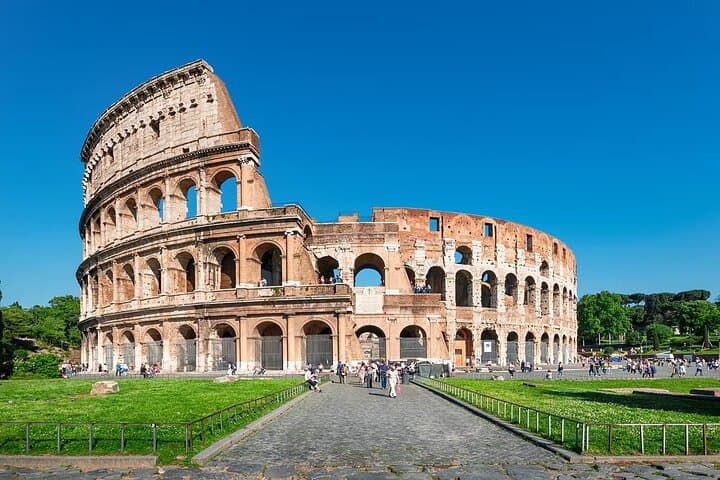
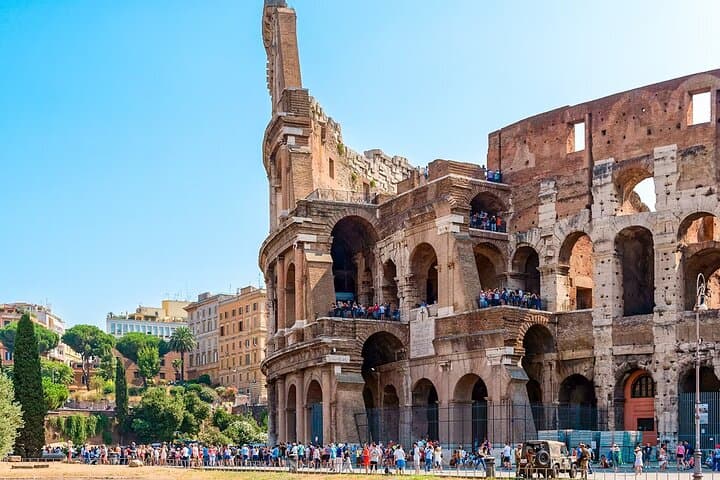
You step through a gated entrance and the Colosseum opens like a stage — stone tiers circling the arena where centuries of spectacle once played out. The air carries the city: distant traffic, vendors, and the precise echo of footsteps on ancient travertine.
Verified experiences and guided adventures in the surrounding area.
Operated by My Travelons Ltd · Rome, Lazio
You step through a gated entrance and the Colosseum opens like a stage — stone tiers circling the arena where centuries of spectacle once played out. The air carries the city: distant traffic, vendors, and the precise echo of footsteps on ancient travertine.
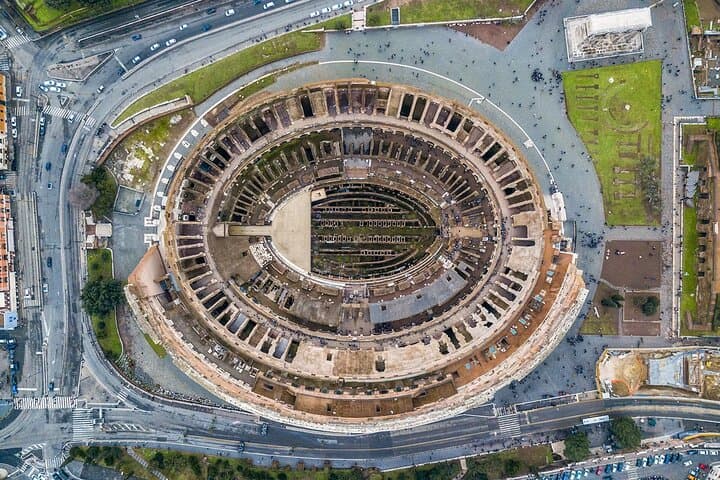
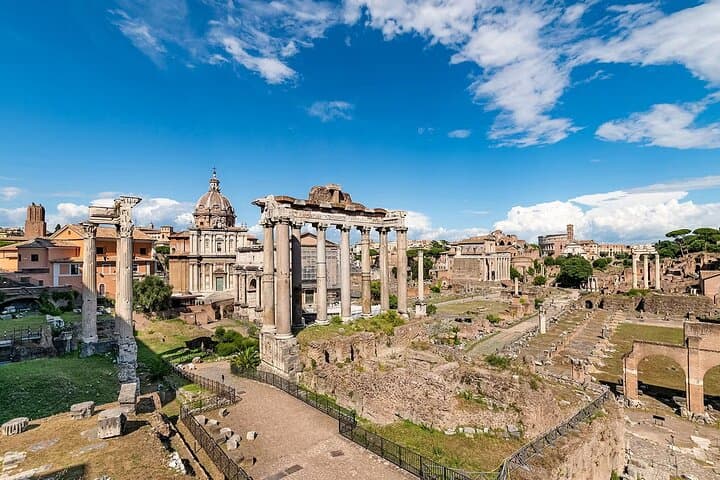
This route links three of Rome’s defining sites. The Colosseum presents Roman engineering in concrete and travertine; Palatine Hill reveals imperial terraces cut into volcanic tuff where emperors placed their homes; the Roman Forum stretches as a linear archive of temples, basilicas, and civic space. Geology matters here — soft volcanic layers underlie marble façades, and erosion has exposed the city’s long urban history.
Culturally, these places map Rome’s shift from monarchy to republic to empire; anywhere you pause a plaque or column marks a political or religious act that shaped Western institutions. Expect pigeons and sparrows to flit through the ruins; the Tiber keeps its slow presence in the background, defining Rome’s axis.
Practically, this access ticket saves time with priority entry and covers Palatine Hill and the Forum as well as the Colosseum; optional upgrades include arena-level access or the Mamertine Prison and audio guides in multiple languages. Walks are mostly on uneven stone and low rises — bring sturdy shoes and water, and allow two to three hours to see highlights at a deliberate pace. Security checks and timed entry are standard; carry ID and your mobile ticket. Aim for morning or late afternoon to avoid heat and peak crowds, and stay on marked paths to help preserve fragile archaeology.
easy.
2–4 hours.
Requires basic mobility to walk uneven archaeological terrain and climb short flights of stairs; suitable for most fitness levels.
Mobile tickets are accepted; keep your phone charged and ready to display the QR code at timed-entry points.
Plan 2–4 hours to see major highlights with time for photos and short pauses; upgrades like arena access add time.
Parts of the Colosseum and Forum are accessible, but much of the Forum and Palatine involve uneven ground and steps; check accessibility options when booking.
Yes — optional upgrades are often available for arena access and Mamertine Prison, sometimes including an audio guide or hosted entry.
Palatine Hill is the traditional founding site of Rome and later the elite residential quarter; the Forum was the civic heart, and the Colosseum showcased imperial spectacle.
High visitor volumes stress fragile masonry and archaeological layers; stick to marked paths, avoid touching carvings, and use refill stations to reduce single-use plastic.
My Travelons Ltd operates guided outdoor trips and adventures with an emphasis on safety, stewardship, and memorable experiences.
You step through a gated entrance and the Colosseum opens like a stage — stone tiers circling the arena where centuries of spectacle once played out. The air carries the city: distant traffic, vendors, and the precise echo of footsteps on ancient travertine.
You step through a gated entrance and the Colosseum opens like a stage — stone tiers circling the arena where centuries of spectacle once played out. The air carries the city: distant traffic, vendors, and the precise echo of footsteps on ancient travertine.
This route links three of Rome’s defining sites. The Colosseum presents Roman engineering in concrete and travertine; Palatine Hill reveals imperial terraces cut into volcanic tuff where emperors placed their homes; the Roman Forum stretches as a linear archive of temples, basilicas, and civic space. Geology matters here — soft volcanic layers underlie marble façades, and erosion has exposed the city’s long urban history.
Culturally, these places map Rome’s shift from monarchy to republic to empire; anywhere you pause a plaque or column marks a political or religious act that shaped Western institutions. Expect pigeons and sparrows to flit through the ruins; the Tiber keeps its slow presence in the background, defining Rome’s axis.
Practically, this access ticket saves time with priority entry and covers Palatine Hill and the Forum as well as the Colosseum; optional upgrades include arena-level access or the Mamertine Prison and audio guides in multiple languages. Walks are mostly on uneven stone and low rises — bring sturdy shoes and water, and allow two to three hours to see highlights at a deliberate pace. Security checks and timed entry are standard; carry ID and your mobile ticket. Aim for morning or late afternoon to avoid heat and peak crowds, and stay on marked paths to help preserve fragile archaeology.