THE ADVENTURE COLLECTIVE® · Independent discovery and booking for outdoor travel

Beat the queues with an early-morning visit to Christ the Redeemer and a preferential ride up Sugarloaf. This guided half-day tour pairs dramatic viewpoints, brief walks and cable-car crossings with local context and time-saving logistics.
Beat the queues with an early-morning visit to Christ the Redeemer and a preferential ride up Sugarloaf. This guided half-day tour pairs dramatic viewpoints, brief walks and cable-car crossings with local context and time-saving logistics.
You arrive before the city wakes, the first light spilling gold across Tijuca Forest as Corcovado rises out of mist. The statue of Christ the Redeemer stands cool and enormous, its arms framing the city below; the morning hush makes the moment feel like an honest exchange between traveler and landscape.
Verified experiences and guided adventures in the surrounding area.
Operated by Travel Trip Brasil · Rio de Janeiro, Rio de Janeiro
You arrive before the city wakes, the first light spilling gold across Tijuca Forest as Corcovado rises out of mist. The statue of Christ the Redeemer stands cool and enormous, its arms framing the city below; the morning hush makes the moment feel like an honest exchange between traveler and landscape.
The route pairs two of Rio’s most recognized sites. Christ the Redeemer, completed in 1931, crowns Corcovado — a remnant of the Serra do Mar uplift and the largest urban rainforest in the world. Sugarloaf (Pão de Açúcar) is a steep granite dome carved by ancient tectonic forces, reached by one of the world’s oldest urban cable car systems (early 20th century). Both places reflect Rio’s mix of colonial history, Afro-Brazilian culture, and the engineering feats that made them public spectacles.
Expect paved plazas, short stair sections, and cable-car platforms with sweeping city and bay views. The itinerary typically begins at dawn at Corcovado to avoid crowds, then moves to Urca for the Sugarloaf ascent, saving time with preferred access. Guides handle logistics and offer context on local neighborhoods, samba roots, and the ecology of Tijuca.
Practical notes: wear solid walking shoes for uneven stone steps, bring a wind layer for exposed summits, and carry water — shade is limited on viewing platforms. Photography windows are best in soft morning light at Corcovado and late morning at Sugarloaf. If you value less crowding, request the earliest pickup and keep small items secure; coastal winds can be brisk on the upper terraces.
easy.
4–5 hours.
Light walking and short flights of stairs; appropriate for most fitness levels, including families and older travelers.
The tour includes the ticket for Christ the Redeemer; Sugarloaf cable car access is typically arranged with preferential boarding—confirm inclusion at booking.
Both sites have accessible options and the provider lists wheelchair-accessible transport and surfaces; check specific mobility needs when booking.
Early morning is best to avoid crowds and to photograph softer light at Corcovado; late morning still offers clear views at Sugarloaf.
Expect short, paved walks and some stair sections at viewpoints—no long hikes are required, but stable footwear is recommended.
Christ the Redeemer was completed in 1931 and sits above Rio in Tijuca National Park; Sugarloaf’s cable car began operations in the early 20th century and helped popularize Urca as a leisure destination.
Both sites are inside regulated public areas—follow posted routes, avoid feeding wildlife, and use refillable bottles to reduce plastic waste.
Travel Trip Brasil operates guided outdoor trips and adventures with an emphasis on safety, stewardship, and memorable experiences.

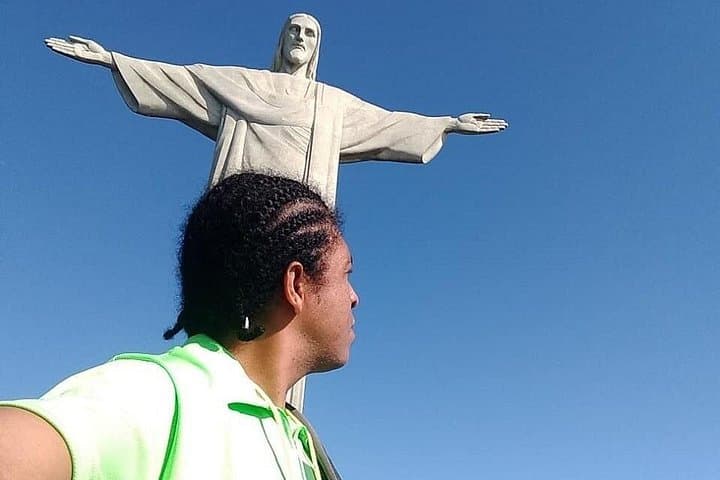


You arrive before the city wakes, the first light spilling gold across Tijuca Forest as Corcovado rises out of mist. The statue of Christ the Redeemer stands cool and enormous, its arms framing the city below; the morning hush makes the moment feel like an honest exchange between traveler and landscape.
You arrive before the city wakes, the first light spilling gold across Tijuca Forest as Corcovado rises out of mist. The statue of Christ the Redeemer stands cool and enormous, its arms framing the city below; the morning hush makes the moment feel like an honest exchange between traveler and landscape.
The route pairs two of Rio’s most recognized sites. Christ the Redeemer, completed in 1931, crowns Corcovado — a remnant of the Serra do Mar uplift and the largest urban rainforest in the world. Sugarloaf (Pão de Açúcar) is a steep granite dome carved by ancient tectonic forces, reached by one of the world’s oldest urban cable car systems (early 20th century). Both places reflect Rio’s mix of colonial history, Afro-Brazilian culture, and the engineering feats that made them public spectacles.
Expect paved plazas, short stair sections, and cable-car platforms with sweeping city and bay views. The itinerary typically begins at dawn at Corcovado to avoid crowds, then moves to Urca for the Sugarloaf ascent, saving time with preferred access. Guides handle logistics and offer context on local neighborhoods, samba roots, and the ecology of Tijuca.
Practical notes: wear solid walking shoes for uneven stone steps, bring a wind layer for exposed summits, and carry water — shade is limited on viewing platforms. Photography windows are best in soft morning light at Corcovado and late morning at Sugarloaf. If you value less crowding, request the earliest pickup and keep small items secure; coastal winds can be brisk on the upper terraces.