THE ADVENTURE COLLECTIVE® · Independent discovery and booking for outdoor travel

Explore Chittorgarh Fort with skip-the-line tickets and an optional licensed guide. This practical guide explains what to expect on the hillwalk, key monuments to prioritize, and tips for timing, gear, and travel from Udaipur.
Explore Chittorgarh Fort with skip-the-line tickets and an optional licensed guide. This practical guide explains what to expect on the hillwalk, key monuments to prioritize, and tips for timing, gear, and travel from Udaipur.
You step through a battered gate and the air changes—stone absorbs the heat, steps slope away, and the fort looms like a city carved from the hill. Sunlight throws long shadows across the broad ramparts as the clatter of distant market life drifts up from the plains below. The walk threads ramparts, temples, and reservoirs; each turn rewards a different view of Rajasthan’s open sky.
Verified experiences and guided adventures in the surrounding area.
Operated by India saying namaste Trips · Chittorgarh, Rajasthan
You step through a battered gate and the air changes—stone absorbs the heat, steps slope away, and the fort looms like a city carved from the hill. Sunlight throws long shadows across the broad ramparts as the clatter of distant market life drifts up from the plains below. The walk threads ramparts, temples, and reservoirs; each turn rewards a different view of Rajasthan’s open sky.
Chittorgarh Fort is India’s largest fort complex and a UNESCO World Heritage site, shaped by centuries of Rajput rule, sieges, and devotional architecture. Geologically it rides a rocky outcrop above the surrounding plains; its masonry and stepped water systems reflect centuries of dryland engineering. Culturally, the fort holds Vijay Stambha and Kirti Stambh towers, Meera’s temple, and quiet courtyards that recall Rajput patronage and ritual.
Practical guidance: book skip-the-line tickets to avoid long waits and consider the licensed guide option for historical context. Expect uneven stone steps and several kilometers of walking across terraces—plan 2–4 hours to move through the main monuments. Arrive early or late afternoon to avoid mid-day heat; carry 1–2 liters of water, sun protection, and sturdy shoes. Access is limited for mobility-restricted visitors because many areas are steep and stepped. If you choose transfer from Udaipur, allow for a multi-hour road leg each way. Tickets are mobile-friendly; cancellation is typically available up to 24 hours before your visit. Respect marked paths, stay clear of fragile structures, and use designated viewing points to help preserve this high-traffic heritage site.
moderate.
2–4 hours.
Light to moderate fitness—able to climb uneven steps and walk several kilometers over varied terrain.
No—mobile tickets are accepted; keep the booking reference accessible on your phone.
Yes, licensed guides are available and can be booked with the ticket option for historical context and faster navigation through the complex.
Access is limited—many sections involve steep steps and uneven stone; those with mobility concerns should plan routes carefully and consider limited areas or support.
Yes—optional private transfers from Udaipur are offered; factor in several hours of road travel each way when planning your day.
Chittorgarh was a major Rajput stronghold and is associated with legendary sieges and heroic narratives; its monuments reflect several centuries of regional politics and devotion.
High visitor numbers impact fragile masonry and water systems—stay on marked paths and avoid touching carvings; ticket revenues and guided programs help fund preservation efforts.
India saying namaste Trips operates guided outdoor trips and adventures with an emphasis on safety, stewardship, and memorable experiences.
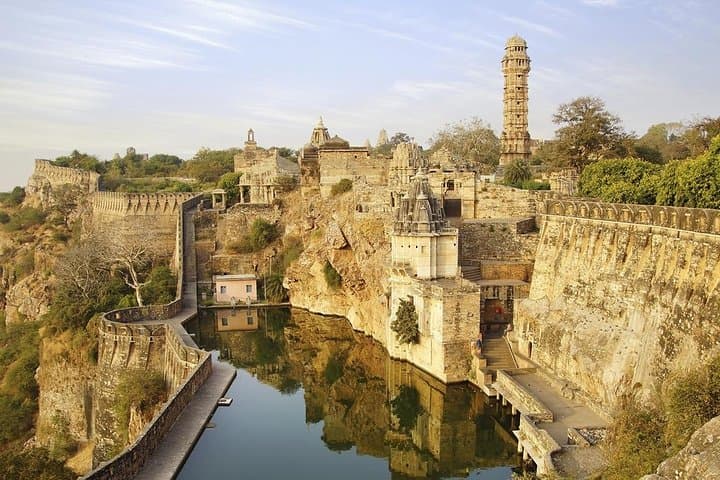
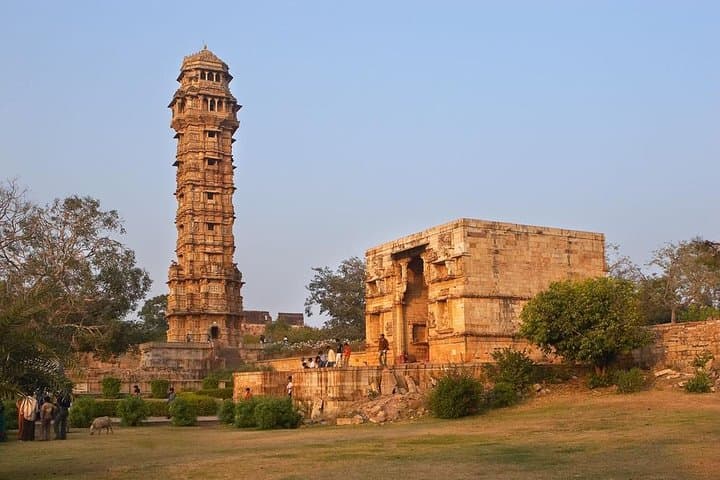


You step through a battered gate and the air changes—stone absorbs the heat, steps slope away, and the fort looms like a city carved from the hill. Sunlight throws long shadows across the broad ramparts as the clatter of distant market life drifts up from the plains below. The walk threads ramparts, temples, and reservoirs; each turn rewards a different view of Rajasthan’s open sky.
You step through a battered gate and the air changes—stone absorbs the heat, steps slope away, and the fort looms like a city carved from the hill. Sunlight throws long shadows across the broad ramparts as the clatter of distant market life drifts up from the plains below. The walk threads ramparts, temples, and reservoirs; each turn rewards a different view of Rajasthan’s open sky.
Chittorgarh Fort is India’s largest fort complex and a UNESCO World Heritage site, shaped by centuries of Rajput rule, sieges, and devotional architecture. Geologically it rides a rocky outcrop above the surrounding plains; its masonry and stepped water systems reflect centuries of dryland engineering. Culturally, the fort holds Vijay Stambha and Kirti Stambh towers, Meera’s temple, and quiet courtyards that recall Rajput patronage and ritual.
Practical guidance: book skip-the-line tickets to avoid long waits and consider the licensed guide option for historical context. Expect uneven stone steps and several kilometers of walking across terraces—plan 2–4 hours to move through the main monuments. Arrive early or late afternoon to avoid mid-day heat; carry 1–2 liters of water, sun protection, and sturdy shoes. Access is limited for mobility-restricted visitors because many areas are steep and stepped. If you choose transfer from Udaipur, allow for a multi-hour road leg each way. Tickets are mobile-friendly; cancellation is typically available up to 24 hours before your visit. Respect marked paths, stay clear of fragile structures, and use designated viewing points to help preserve this high-traffic heritage site.