THE ADVENTURE COLLECTIVE® · Independent discovery and booking for outdoor travel

Skip the queues at Castel Sant'Angelo and let a host guide you through layers of Roman history—from Hadrian’s mausoleum to papal fortress—before you climb to a terrace with sweeping views of St. Peter’s and the Tiber. Practical tips for timing, accessibility, and what to bring inside.
Skip the queues at Castel Sant'Angelo and let a host guide you through layers of Roman history—from Hadrian’s mausoleum to papal fortress—before you climb to a terrace with sweeping views of St. Peter’s and the Tiber. Practical tips for timing, accessibility, and what to bring inside.
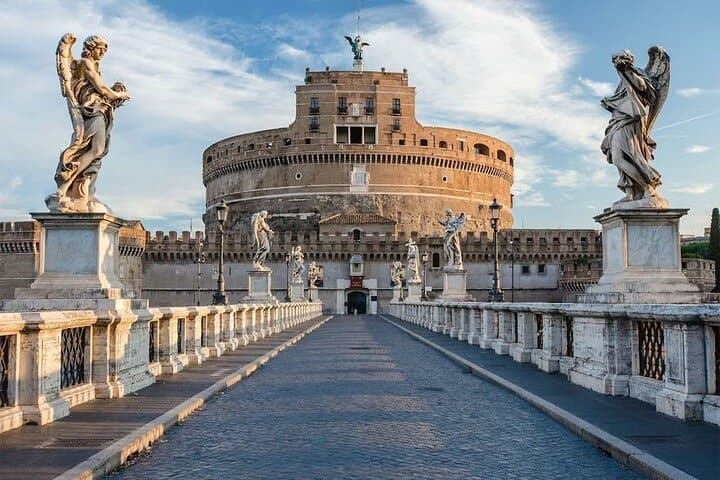
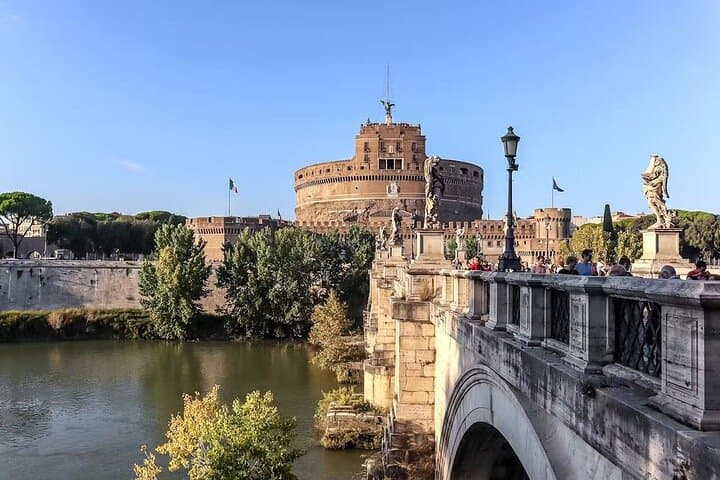
You step off the cobblestones at the river's edge and the castle rises—an unbroken cylinder of stone facing the Tiber, its upper terrace opening like a balcony onto St. Peter’s dome.
Verified experiences and guided adventures in the surrounding area.
Operated by Dream Fly Tourism LLC · Rome, Lazio
You step off the cobblestones at the river's edge and the castle rises—an unbroken cylinder of stone facing the Tiber, its upper terrace opening like a balcony onto St. Peter’s dome.
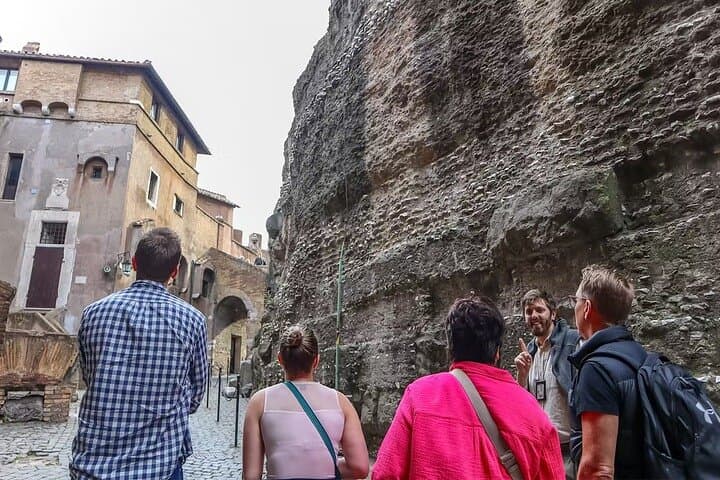
What you see now began as Emperor Hadrian’s mausoleum in the 2nd century AD, later reinforced into a medieval fortress and transformed into a papal refuge linked to the Vatican by the secretive Passetto di Borgo. The building’s layers—Roman concrete cores, travertine facings, and Renaissance-era battlements—read like a compact history of Rome’s defenses and tastes.
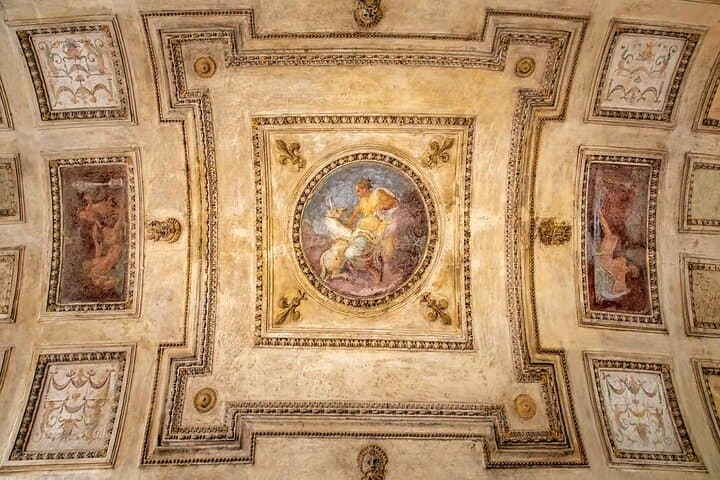
Inside, narrow corridors, vaulted rooms, and atmospheric staircases give way to exhibition rooms with arms, Renaissance paintings, and the papal apartments; the terrace rewards the climb with a 360° sweep of the city that frames the Vatican, the Tiber’s slow curve, and the Roman rooftops.
Practically: a hosted skip-the-line entry gets you past ticket queues and into the visit smoothly, typically 60–120 minutes. Expect uneven floors and many stairs; bring comfortable shoes and a charged camera. Mornings or late afternoons drop crowd levels and soften light for photos; public transport reaches the area, and the ticket’s mobile format is convenient.
Respect the monument—do not lean on frescoes or touch fragile stonework—and plan your timing: the terrace can be busy at sunset and access rules sometimes change. With a bit of planning, this compact tour delivers history, architecture, and one of Rome’s clearest rooftop views.
easy.
1–2 hours.
Suitable for most visitors who can manage several flights of stairs; not strenuous but requires basic mobility.
Plan 60–120 minutes to move through the museum rooms and spend time on the terrace; longer if you linger for photos or join specialized talks.
Access is limited: some areas have ramps or lifts but many levels are only reachable by stairs—contact the venue in advance to confirm current accessibility options.
No; the Passetto di Borgo is a separate historical passage and is generally not open to standard public tours—special events or permission are required to access it.
You can cancel for a full refund if you cancel at least 24 hours before the scheduled time; check your booking confirmation for specifics.
Built as Hadrian’s mausoleum around 139 AD, the structure was converted into a fortress and papal residence and linked to the Vatican by the Passetto di Borgo.
Castel Sant'Angelo is an ancient monument where visitor numbers and behavior affect fragile surfaces—use designated paths, avoid touching frescoes, and prefer public transit to reduce local congestion.
Dream Fly Tourism LLC operates guided outdoor trips and adventures with an emphasis on safety, stewardship, and memorable experiences.
You step off the cobblestones at the river's edge and the castle rises—an unbroken cylinder of stone facing the Tiber, its upper terrace opening like a balcony onto St. Peter’s dome.
You step off the cobblestones at the river's edge and the castle rises—an unbroken cylinder of stone facing the Tiber, its upper terrace opening like a balcony onto St. Peter’s dome.
What you see now began as Emperor Hadrian’s mausoleum in the 2nd century AD, later reinforced into a medieval fortress and transformed into a papal refuge linked to the Vatican by the secretive Passetto di Borgo. The building’s layers—Roman concrete cores, travertine facings, and Renaissance-era battlements—read like a compact history of Rome’s defenses and tastes.
Inside, narrow corridors, vaulted rooms, and atmospheric staircases give way to exhibition rooms with arms, Renaissance paintings, and the papal apartments; the terrace rewards the climb with a 360° sweep of the city that frames the Vatican, the Tiber’s slow curve, and the Roman rooftops.
Practically: a hosted skip-the-line entry gets you past ticket queues and into the visit smoothly, typically 60–120 minutes. Expect uneven floors and many stairs; bring comfortable shoes and a charged camera. Mornings or late afternoons drop crowd levels and soften light for photos; public transport reaches the area, and the ticket’s mobile format is convenient.
Respect the monument—do not lean on frescoes or touch fragile stonework—and plan your timing: the terrace can be busy at sunset and access rules sometimes change. With a bit of planning, this compact tour delivers history, architecture, and one of Rome’s clearest rooftop views.