THE ADVENTURE COLLECTIVE® · Independent discovery and booking for outdoor travel

Board a scenic drive from Salzburg along the Deutsche Alpenstrasse to Berchtesgaden, skip the line at the historic salt mine, and spend a half-day traversing underground caverns, a short boat lake and Bavarian mountain views. Practical, informative and ideal for a half-day outing from Salzburg.
Board a scenic drive from Salzburg along the Deutsche Alpenstrasse to Berchtesgaden, skip the line at the historic salt mine, and spend a half-day traversing underground caverns, a short boat lake and Bavarian mountain views. Practical, informative and ideal for a half-day outing from Salzburg.
Cold air greets you as the tour bus slips out of Salzburg and into a tightening valley—rock faces rising, larch and spruce leaning toward the road. The Deutsche Alpenstrasse unfurls ahead, a ribbon of hairpins and alpine meadows, and by the time you reach Berchtesgaden the town sits quiet beneath the Watzmann massif, a stoic presence that seems to watch every visitor.
Verified experiences and guided adventures in the surrounding area.
Operated by Salzburg Panorama Tours GmbH · Berchtesgaden, Bavaria
Cold air greets you as the tour bus slips out of Salzburg and into a tightening valley—rock faces rising, larch and spruce leaning toward the road. The Deutsche Alpenstrasse unfurls ahead, a ribbon of hairpins and alpine meadows, and by the time you reach Berchtesgaden the town sits quiet beneath the Watzmann massif, a stoic presence that seems to watch every visitor.
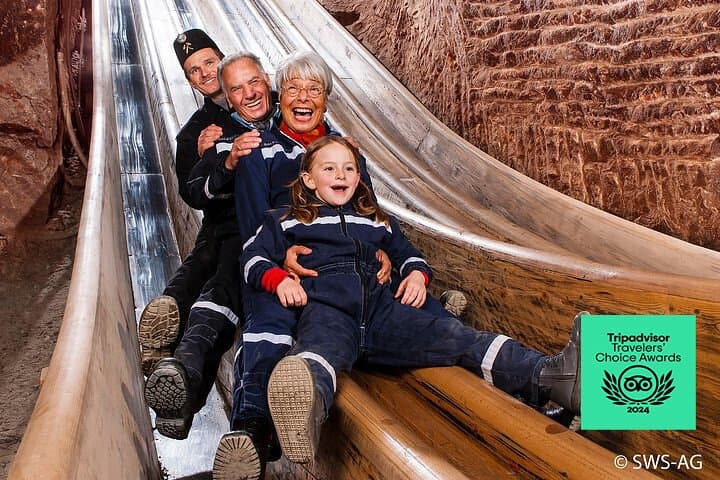
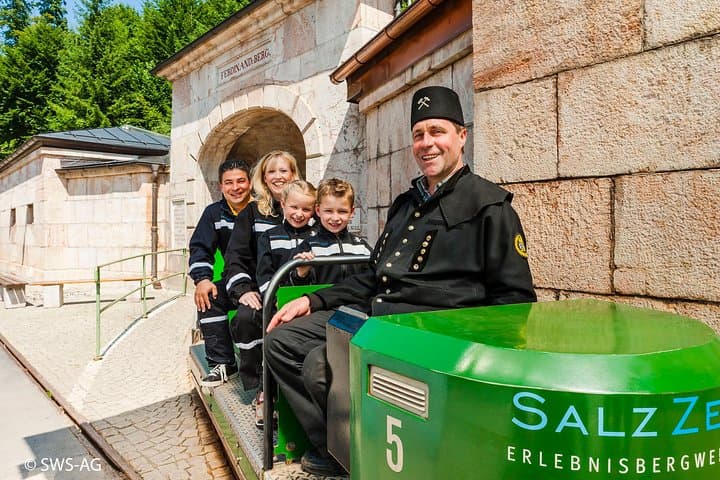
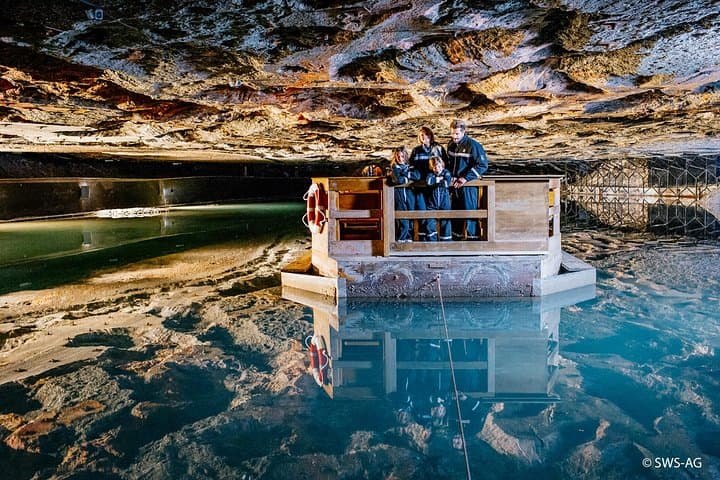
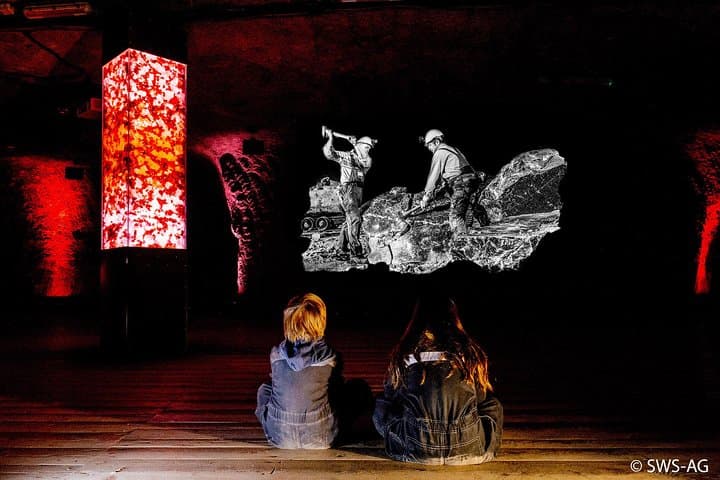
The salt mine here has been worked since the Middle Ages; salt—once called "white gold"—shaped local trade, culture and even political ties across Bavaria and Austria. Geologically, the region records ancient seas: layers of evaporites and marble folded and lifted by Alpine orogeny. Inside the mine you descend wooden slides and ride a narrow-gauge train past caverns where salt crystals glint; a subterranean lake offers a short, reflective boat ride that makes the darkness feel purposeful rather than empty.
Above ground, the town’s Bavarian timber facades and market stalls give a human scale to the mountains. The tour usually includes a short stop at Obersalzberg—history here is complex, marked by wartime structures and memorials—followed by free time to explore Berchtesgaden’s cafés or the documentation center if you want context.
Practical guide: dress in layers—the mine stays cool year-round—and wear sturdy shoes for uneven steps. Bring your passport for check-in, and expect about four hours total including transit. Morning departures give crisper light on the peaks; afternoon runs can be less crowded. If you prefer a slower pace, plan extra time in town; if you’re chasing photos, aim for the early window for softer mountain light.
moderate.
4 hours.
Light-to-moderate fitness; must manage stairs, short walks and occasional standing during the mine tour.
The full excursion is about 4 hours from scheduled departure to return, including transit, the 90-minute salt-mine visit and free time in Berchtesgaden.
Infants and small children can be accommodated, but there are steps and narrow passages—strollers are not practical inside the mine itself, though prams are noted as accessible for parts of the site.
Most operators provide guides in English; check the booking details or contact the local tour operator for other language options or for combined tours.
Photography is generally allowed in most public areas, but follow guide instructions—flash may be discouraged in some chambers to protect delicate formations.
Salt extraction here dates back centuries and built regional trade networks; 19th-century improvements turned Berchtesgaden into a spa and mountain destination.
The mine and surrounding alpine habitats are managed to balance tourism with preservation—stick to marked paths and avoid disturbing natural water sources to minimize impact.
Salzburg Panorama Tours GmbH operates guided outdoor trips and adventures with an emphasis on safety, stewardship, and memorable experiences.
Cold air greets you as the tour bus slips out of Salzburg and into a tightening valley—rock faces rising, larch and spruce leaning toward the road. The Deutsche Alpenstrasse unfurls ahead, a ribbon of hairpins and alpine meadows, and by the time you reach Berchtesgaden the town sits quiet beneath the Watzmann massif, a stoic presence that seems to watch every visitor.
Cold air greets you as the tour bus slips out of Salzburg and into a tightening valley—rock faces rising, larch and spruce leaning toward the road. The Deutsche Alpenstrasse unfurls ahead, a ribbon of hairpins and alpine meadows, and by the time you reach Berchtesgaden the town sits quiet beneath the Watzmann massif, a stoic presence that seems to watch every visitor.
The salt mine here has been worked since the Middle Ages; salt—once called "white gold"—shaped local trade, culture and even political ties across Bavaria and Austria. Geologically, the region records ancient seas: layers of evaporites and marble folded and lifted by Alpine orogeny. Inside the mine you descend wooden slides and ride a narrow-gauge train past caverns where salt crystals glint; a subterranean lake offers a short, reflective boat ride that makes the darkness feel purposeful rather than empty.
Above ground, the town’s Bavarian timber facades and market stalls give a human scale to the mountains. The tour usually includes a short stop at Obersalzberg—history here is complex, marked by wartime structures and memorials—followed by free time to explore Berchtesgaden’s cafés or the documentation center if you want context.
Practical guide: dress in layers—the mine stays cool year-round—and wear sturdy shoes for uneven steps. Bring your passport for check-in, and expect about four hours total including transit. Morning departures give crisper light on the peaks; afternoon runs can be less crowded. If you prefer a slower pace, plan extra time in town; if you’re chasing photos, aim for the early window for softer mountain light.