THE ADVENTURE COLLECTIVE® · Independent discovery and booking for outdoor travel

Descend beneath Istanbul’s Sultanahmet to a cool hall of columns and reflected light. This guide explains what to expect with skip-the-line access, practical tips for timing and gear, and why the cistern matters historically and architecturally.
Descend beneath Istanbul’s Sultanahmet to a cool hall of columns and reflected light. This guide explains what to expect with skip-the-line access, practical tips for timing and gear, and why the cistern matters historically and architecturally.
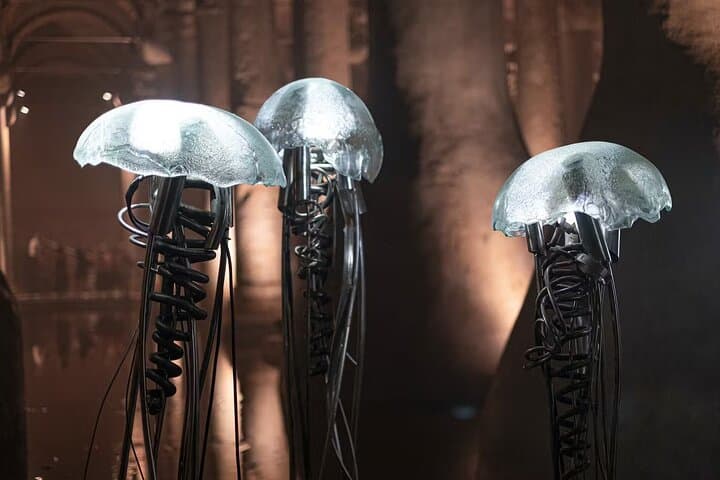
Steam-cooled air meets carved stone as you step below Sultanahmet and descend into the Basilica Cistern. Low light slants across shallow pools, columns rise like an organized forest, and the water reflects the steady glow of lamps—each ripple making the place feel alive and quietly watchful.
Verified experiences and guided adventures in the surrounding area.
Operated by Dream Fly Tourism LLC · Istanbul, Istanbul
Steam-cooled air meets carved stone as you step below Sultanahmet and descend into the Basilica Cistern. Low light slants across shallow pools, columns rise like an organized forest, and the water reflects the steady glow of lamps—each ripple making the place feel alive and quietly watchful.
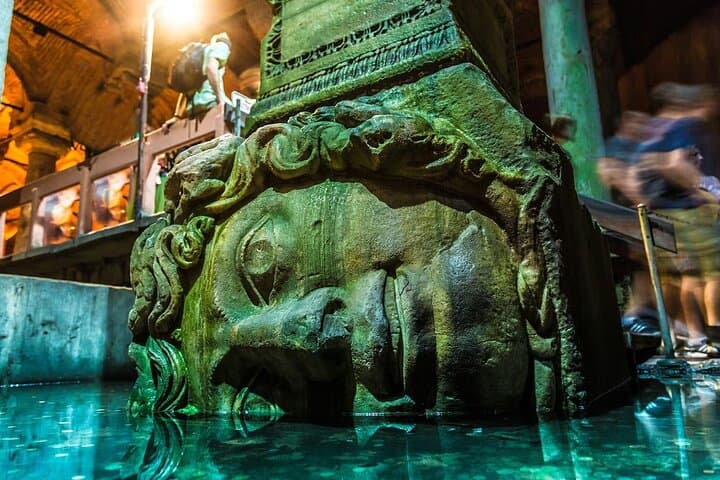
Constructed under Emperor Justinian in the 6th century, the cistern once stored water for the Great Palace and nearby neighborhoods. Built from reclaimed marble and brick, its 336 columns combine architectural styles and house two famous Medusa heads, laid sideways and inverted—objects that speak to reuse and ritual in Byzantine Istanbul. Geology here is less about bedrock and more about human engineering: a vaulted brick chamber sealed to hold water where the city’s limestone gives way to softer sediments.
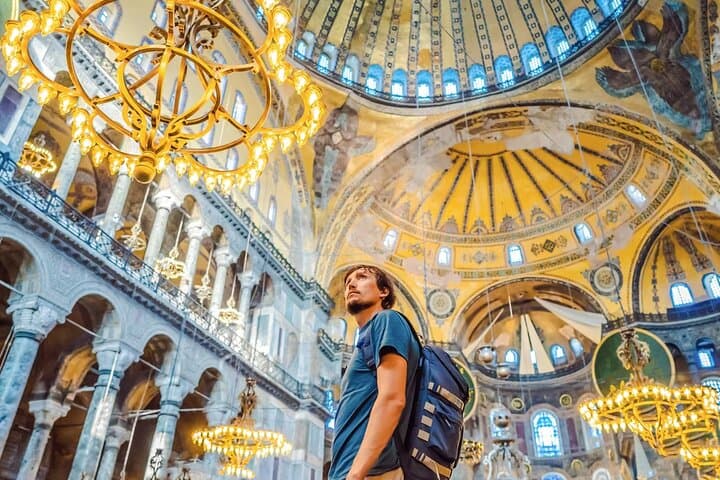
Culturally, the cistern bridges empires; its cool, damp calm contrasts with the sunlit bustle above. It sits within walking distance of Hagia Sophia and the Blue Mosque, making it an efficient stop on a historical loop.
Practical guidance: skip-the-line tickets shorten waits and let you move at your own pace—plan 60–90 minutes, longer if you linger for photos. Wear sturdy, non-slip shoes and a light jacket—the temperature is several degrees cooler underground. Lighting is atmospheric but low; smartphone flash can disrupt other visitors, so use steady hands or a small tripod for long exposures. Accessibility is limited by steps and narrow ramps, so check options in advance. Visit early morning or late afternoon to avoid crowds and pair the stop with nearby museums for a full Sultanahmet day.
easy.
1–3 hours.
Suitable for most fitness levels; involves steps and short climbs where ramps are absent.
Skip-the-line grants priority entry to the cistern’s entrance queue, reducing wait times but not providing private access to restricted areas.
Accessibility is limited: there are steps and narrow ramps; visitors with mobility needs should check the latest site accessibility details before booking.
Photography is allowed, but lighting is low and flash may be discouraged; tripods may be restricted during busy periods—respect staff instructions.
Most visitors spend 60–90 minutes; the ticket is often valid all day, so you can move at a relaxed pace if you prefer.
The cistern (Yerebatan Sarayı) was commissioned by Emperor Justinian in the 6th century as a major water reservoir for Constantinople’s palace and public needs.
The cistern’s brick vaults and columns are sensitive to moisture and visitor impact—stay on paths, avoid leaning on structures, and follow capacity limits to help preserve it.
Dream Fly Tourism LLC operates guided outdoor trips and adventures with an emphasis on safety, stewardship, and memorable experiences.
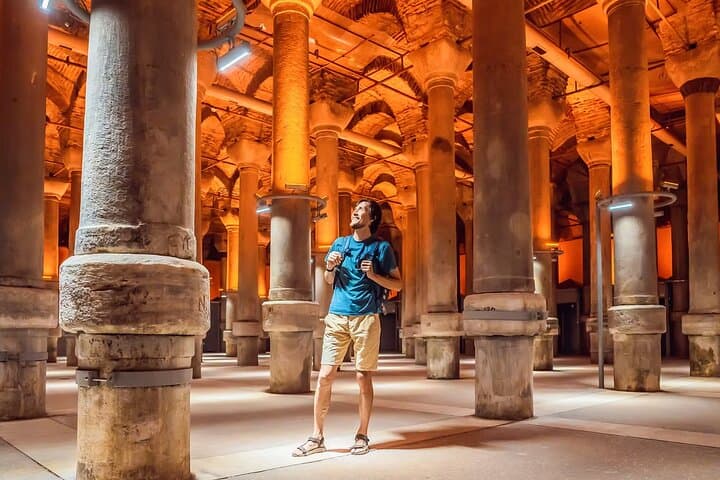
Steam-cooled air meets carved stone as you step below Sultanahmet and descend into the Basilica Cistern. Low light slants across shallow pools, columns rise like an organized forest, and the water reflects the steady glow of lamps—each ripple making the place feel alive and quietly watchful.
Steam-cooled air meets carved stone as you step below Sultanahmet and descend into the Basilica Cistern. Low light slants across shallow pools, columns rise like an organized forest, and the water reflects the steady glow of lamps—each ripple making the place feel alive and quietly watchful.
Constructed under Emperor Justinian in the 6th century, the cistern once stored water for the Great Palace and nearby neighborhoods. Built from reclaimed marble and brick, its 336 columns combine architectural styles and house two famous Medusa heads, laid sideways and inverted—objects that speak to reuse and ritual in Byzantine Istanbul. Geology here is less about bedrock and more about human engineering: a vaulted brick chamber sealed to hold water where the city’s limestone gives way to softer sediments.
Culturally, the cistern bridges empires; its cool, damp calm contrasts with the sunlit bustle above. It sits within walking distance of Hagia Sophia and the Blue Mosque, making it an efficient stop on a historical loop.
Practical guidance: skip-the-line tickets shorten waits and let you move at your own pace—plan 60–90 minutes, longer if you linger for photos. Wear sturdy, non-slip shoes and a light jacket—the temperature is several degrees cooler underground. Lighting is atmospheric but low; smartphone flash can disrupt other visitors, so use steady hands or a small tripod for long exposures. Accessibility is limited by steps and narrow ramps, so check options in advance. Visit early morning or late afternoon to avoid crowds and pair the stop with nearby museums for a full Sultanahmet day.