THE ADVENTURE COLLECTIVE® · Independent discovery and booking for outdoor travel

Skip the queues at Trafalgar Square and let a focused audio tour steer you through the National Gallery’s European masters. This fast-admission option pairs flexibility with context — ideal for visitors who want depth without the long lines.
Skip the queues at Trafalgar Square and let a focused audio tour steer you through the National Gallery’s European masters. This fast-admission option pairs flexibility with context — ideal for visitors who want depth without the long lines.
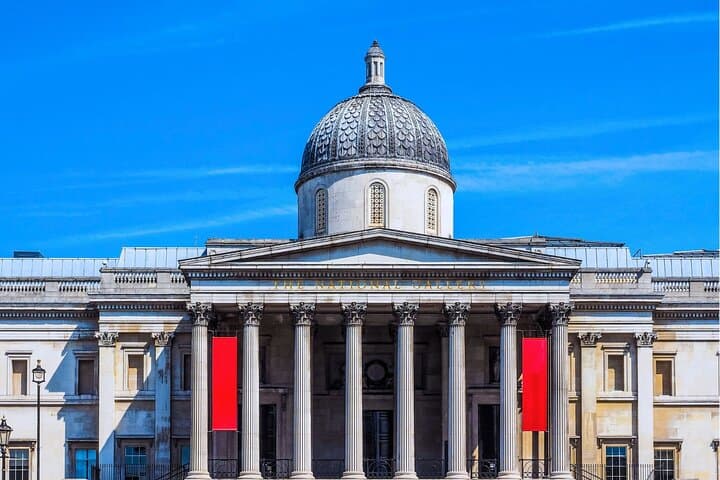
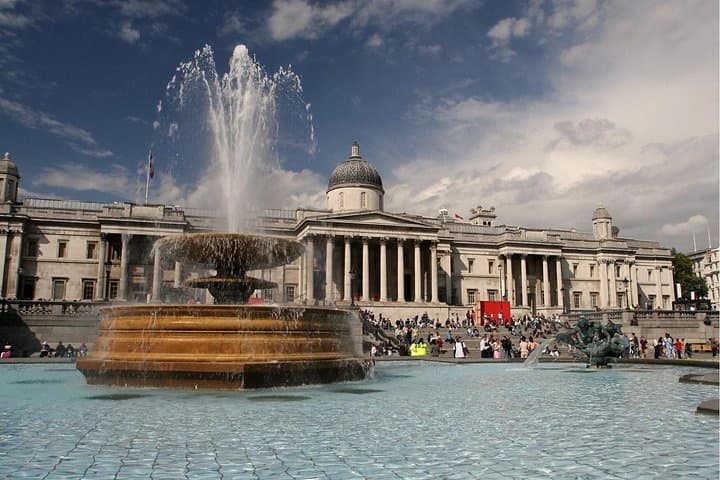
You step off Trafalgar Square into a wash of light against Portland stone — the National Gallery’s façade welcomes you, its broad steps humming with the city's pulse.
Verified experiences and guided adventures in the surrounding area.
Operated by ParisBillets · London, England
You step off Trafalgar Square into a wash of light against Portland stone — the National Gallery’s façade welcomes you, its broad steps humming with the city's pulse.
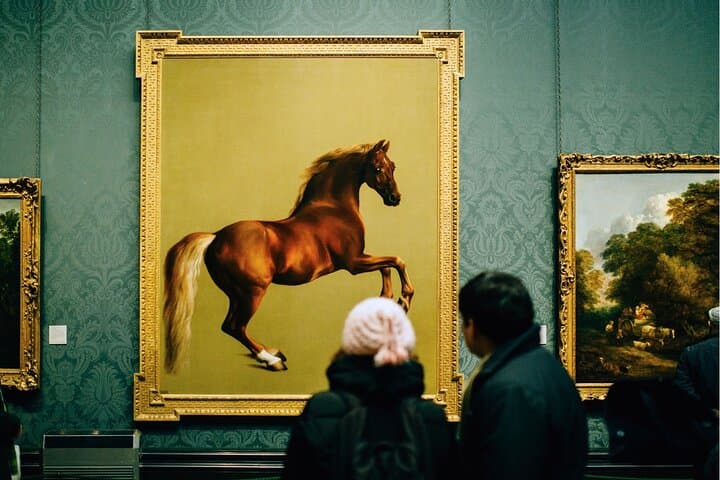
Inside, the air shifts: hushed footfalls, the low murmur of visitors and the occasional click of a camera as brushstrokes from the 13th to 19th centuries catch the eye. An audio guide in your ear points out van Gogh’s thick impasto, Leonardo’s compositional restraint and Rembrandt’s mastery of shadow, framing moments you might otherwise miss.
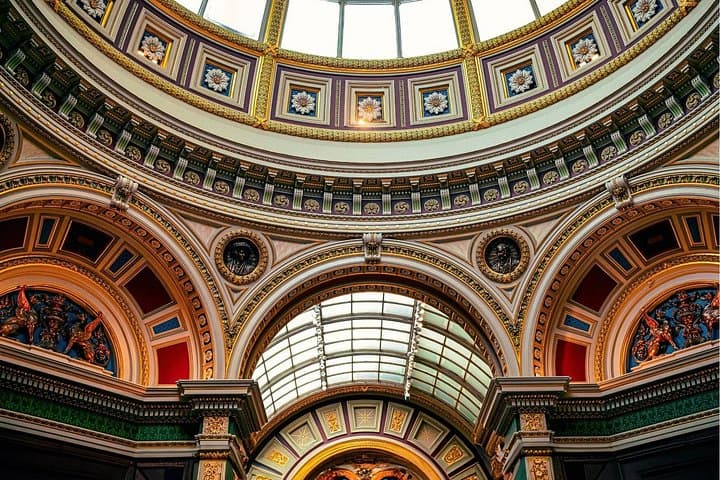
Founded in 1824 and expanded through the 19th and 20th centuries, the Gallery occupies a central cultural role beside Nelson’s Column. The Sainsbury Wing, a later addition, houses early Italian masterpieces; elsewhere, the conservation studios quietly preserve paint and varnish with scientific care.
Practicalities shape the visit: the fast-admission ticket keeps you from long entry queues but expect bag checks and security screening. Plan 60–180 minutes depending on depth; the audio tour lets you tailor your route — focus on highlights or linger in quieter rooms. Bring comfortable shoes, a charged phone for the app link, and headphones with good isolation to hear narration in busy galleries. Photography without flash is generally allowed, but respect signage and temporary exhibitions that restrict it.
Timing matters — late Friday openings extend the evening, midweek mornings are calmer, and conservation windows or guided talks occasionally offer behind-the-scenes insight. With a focused plan and the audio guide in hand, the National Gallery becomes both a museum and a mapped conversation with art.
easy.
1–3 hours.
Suitable for most visitors; requires standing and moderate walking over paved floors and stairs.
Fast admission reduces queue time at the ticket desk, but you should still expect standard security checks; arrive at your booked time window.
The tour is accessed via a mobile link sent after booking; options vary by vendor — download when on Wi‑Fi to avoid mobile data use.
The National Gallery is wheelchair accessible with step-free entrances and lifts; check specific room access and request assistance if needed.
Non-flash photography is generally permitted in permanent galleries, but obey temporary exhibition rules and staff instructions.
Established in 1824 to house a national collection, the Gallery expanded across the 19th and 20th centuries, becoming a central public museum on Trafalgar Square.
The Gallery runs active conservation and research programs to stabilize paintings and manage environmental controls; visitors are encouraged to minimize flash photography and respect display rules to reduce wear.
ParisBillets operates guided outdoor trips and adventures with an emphasis on safety, stewardship, and memorable experiences.
You step off Trafalgar Square into a wash of light against Portland stone — the National Gallery’s façade welcomes you, its broad steps humming with the city's pulse.
You step off Trafalgar Square into a wash of light against Portland stone — the National Gallery’s façade welcomes you, its broad steps humming with the city's pulse.
Inside, the air shifts: hushed footfalls, the low murmur of visitors and the occasional click of a camera as brushstrokes from the 13th to 19th centuries catch the eye. An audio guide in your ear points out van Gogh’s thick impasto, Leonardo’s compositional restraint and Rembrandt’s mastery of shadow, framing moments you might otherwise miss.
Founded in 1824 and expanded through the 19th and 20th centuries, the Gallery occupies a central cultural role beside Nelson’s Column. The Sainsbury Wing, a later addition, houses early Italian masterpieces; elsewhere, the conservation studios quietly preserve paint and varnish with scientific care.
Practicalities shape the visit: the fast-admission ticket keeps you from long entry queues but expect bag checks and security screening. Plan 60–180 minutes depending on depth; the audio tour lets you tailor your route — focus on highlights or linger in quieter rooms. Bring comfortable shoes, a charged phone for the app link, and headphones with good isolation to hear narration in busy galleries. Photography without flash is generally allowed, but respect signage and temporary exhibitions that restrict it.
Timing matters — late Friday openings extend the evening, midweek mornings are calmer, and conservation windows or guided talks occasionally offer behind-the-scenes insight. With a focused plan and the audio guide in hand, the National Gallery becomes both a museum and a mapped conversation with art.