THE ADVENTURE COLLECTIVE® · Independent discovery and booking for outdoor travel

Skip long queues and step straight into Rome’s best-preserved ancient monument. This practical guide explains what to expect inside the Pantheon, why the oculus matters, and how fast-track tickets save you time.
Skip long queues and step straight into Rome’s best-preserved ancient monument. This practical guide explains what to expect inside the Pantheon, why the oculus matters, and how fast-track tickets save you time.
You step through a narrow piazza and the Pantheon opens like a deliberate pause in the city — marble columns leading the eye up to a perfect ring of sky. Sunlight threads through the oculus and moves slowly across the dome, marking time in a building that has stood since imperial Rome.
Verified experiences and guided adventures in the surrounding area.
Operated by Dream Fly Tourism LLC · Rome, Lazio
You step through a narrow piazza and the Pantheon opens like a deliberate pause in the city — marble columns leading the eye up to a perfect ring of sky. Sunlight threads through the oculus and moves slowly across the dome, marking time in a building that has stood since imperial Rome.
Built by Hadrian around 126 CE and converted into a church in the 7th century, the Pantheon’s massive unreinforced concrete dome remains an engineering landmark. The rotunda’s columns are Egyptian granite; the floor slabs are ancient porphyry and marble taken from across the empire. Visitors often notice the hushed acoustics and the way the single, open oculus focuses weather and light into the interior, a simple geological and structural feat that still commands attention.
The neighbourhood — Piazza della Rotonda and the narrow streets around it — is lively with cafes, gelaterie, and baroque façades. Local etiquette favors quiet respect inside the monument; religious services still take place on occasion.
Practical guidance: fast-track entry clears the usual queue and is useful during mid-morning and late-afternoon peaks. Allow about 60–90 minutes to move slowly through the rotunda, snap photos, and read the inscriptions. Dress respectfully for a site that doubles as a church; large bags may be checked. Public transit options (bus and metro nearby) drop you within a short walk but expect pedestrian congestion on busy days. Book a reserved slot to guarantee entry — walk-up waits can exceed an hour in high season.
easy.
1.5 hours (90 minutes).
Suitable for all fitness levels; mostly flat surfaces with standing and short walking intervals
They reserve a timed entry that bypasses the general queue, but you should arrive within the assigned window to avoid denial of entry.
Yes — the Pantheon functions as a church; modest attire and quiet behavior are expected, and large bags may be screened.
The main floor is generally accessible with assistance, but some nearby streets are cobbled; contact the venue ahead if you need special accommodations.
Photography for personal use is allowed, but avoid tripods and be respectful during religious services; commercial shoots require permission.
Commissioned in its current form by Emperor Hadrian around 126 CE, the Pantheon has served as a temple to all gods and later as a Christian church, preserving much of its Roman fabric.
High visitor numbers stress the ancient flooring and sculptures; follow signage, avoid touching surfaces, and use guided access to reduce impact.
Dream Fly Tourism LLC operates guided outdoor trips and adventures with an emphasis on safety, stewardship, and memorable experiences.
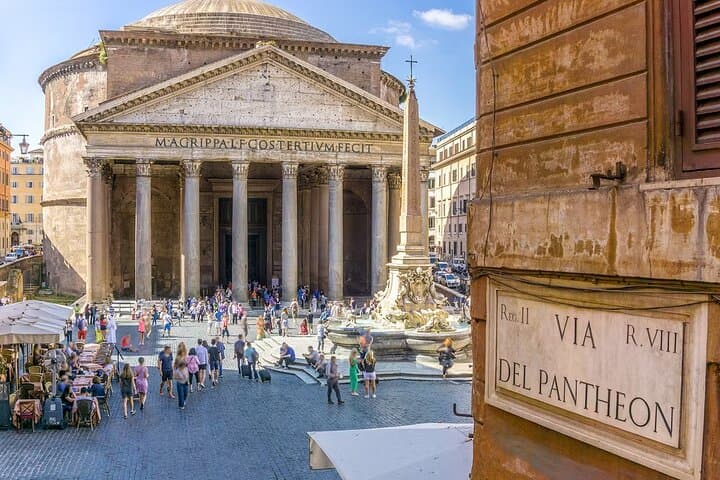
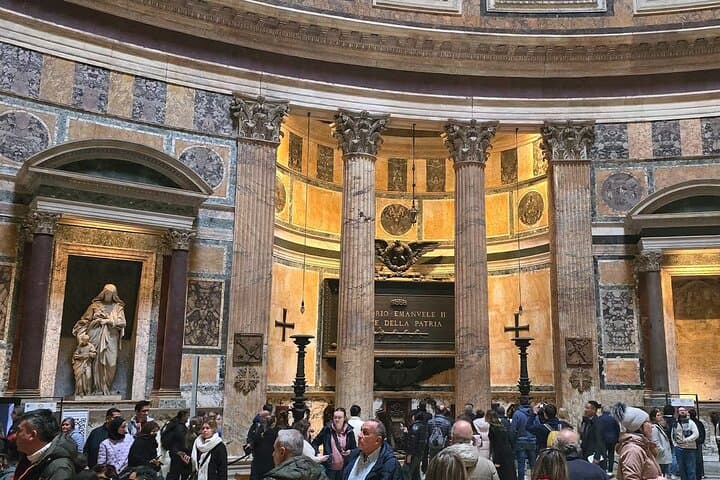
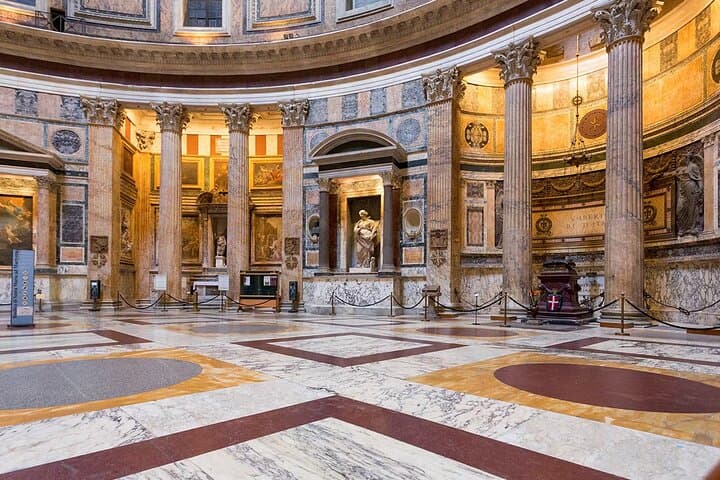
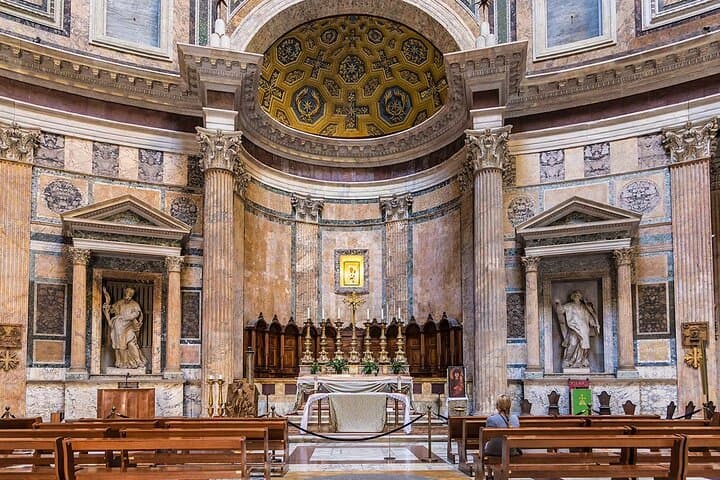
You step through a narrow piazza and the Pantheon opens like a deliberate pause in the city — marble columns leading the eye up to a perfect ring of sky. Sunlight threads through the oculus and moves slowly across the dome, marking time in a building that has stood since imperial Rome.
You step through a narrow piazza and the Pantheon opens like a deliberate pause in the city — marble columns leading the eye up to a perfect ring of sky. Sunlight threads through the oculus and moves slowly across the dome, marking time in a building that has stood since imperial Rome.
Built by Hadrian around 126 CE and converted into a church in the 7th century, the Pantheon’s massive unreinforced concrete dome remains an engineering landmark. The rotunda’s columns are Egyptian granite; the floor slabs are ancient porphyry and marble taken from across the empire. Visitors often notice the hushed acoustics and the way the single, open oculus focuses weather and light into the interior, a simple geological and structural feat that still commands attention.
The neighbourhood — Piazza della Rotonda and the narrow streets around it — is lively with cafes, gelaterie, and baroque façades. Local etiquette favors quiet respect inside the monument; religious services still take place on occasion.
Practical guidance: fast-track entry clears the usual queue and is useful during mid-morning and late-afternoon peaks. Allow about 60–90 minutes to move slowly through the rotunda, snap photos, and read the inscriptions. Dress respectfully for a site that doubles as a church; large bags may be checked. Public transit options (bus and metro nearby) drop you within a short walk but expect pedestrian congestion on busy days. Book a reserved slot to guarantee entry — walk-up waits can exceed an hour in high season.