THE ADVENTURE COLLECTIVE® · Independent discovery and booking for outdoor travel

Skip the long queues at Pena Palace and move straight into the park’s forested paths and panoramic terraces. This fast-gate entry lets you spend more time exploring 19th-century Romantic architecture and the rugged Sintra hillscapes.
Skip the long queues at Pena Palace and move straight into the park’s forested paths and panoramic terraces. This fast-gate entry lets you spend more time exploring 19th-century Romantic architecture and the rugged Sintra hillscapes.
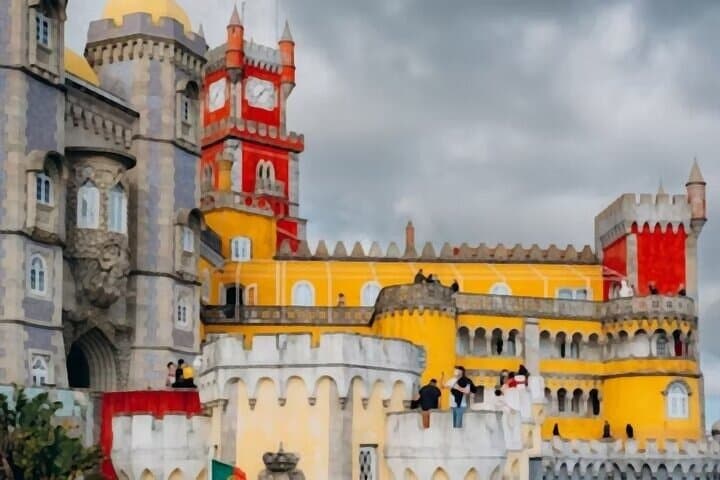
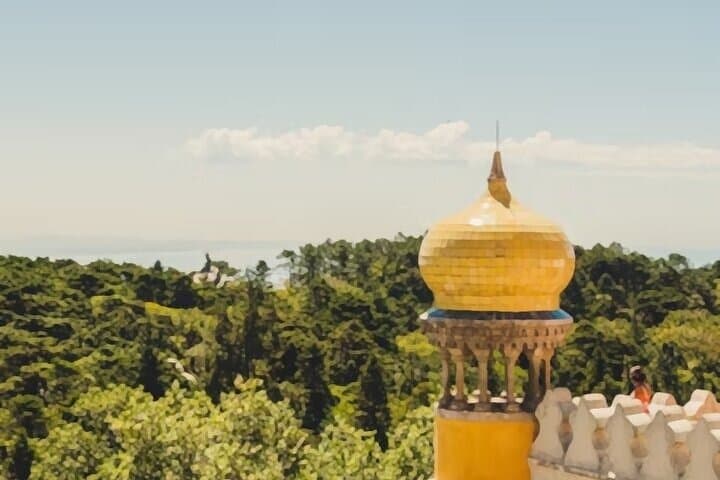
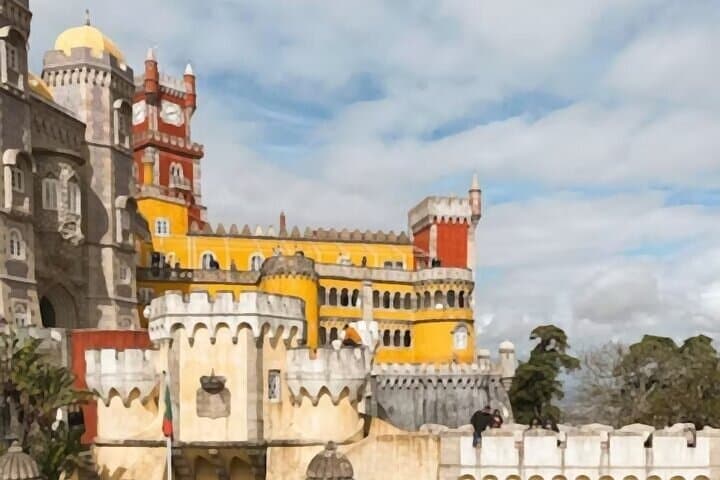
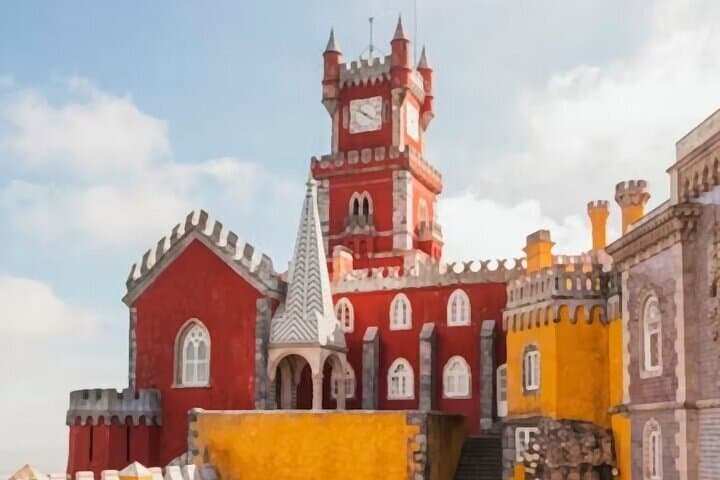
A low cloud lifts over the crest of Monte da Pena and, for a moment, the palace’s candy-bright facades appear like a theatrical set hung above a green sea of trees.
Verified experiences and guided adventures in the surrounding area.
Operated by Ticket Online · Sintra, Lisbon District
A low cloud lifts over the crest of Monte da Pena and, for a moment, the palace’s candy-bright facades appear like a theatrical set hung above a green sea of trees.
Visitors using fast-gate entry move through a historic gate and into Pena Park’s layered landscape—ancient cork and oak, exotic specimens brought by 19th-century collectors, and winding paths that push you from shaded glens up to exposed viewpoints. The palace itself is a 19th-century Romantic creation by King Ferdinand II, carved into earlier monastery ruins and decorated with Moorish, Manueline and neo-Gothic flourishes that frame sweeping views toward the Atlantic.
Geologically, the hill is part of the Sintra Massif: older granite outcrops crowned with a weathered soil that supports dense, moisture-loving woodland. Culturally, Sintra grew as a royal retreat—its palaces and estates tell a story of Portugal’s elite tastes and the European fascination with exotic gardens.
Practical guidance: allow about three hours for park paths and a paced tour of the palace interiors; wear grippy shoes for steep, sometimes uneven stone steps; bring a water bottle and a light rain layer—weather changes quickly at elevation. Even with skip-the-line access, expect concentrated crowds at terraces and the most famous viewpoints; use quieter western ridges for better solitude and clearer coastal light for photos.
This fast-gate ticket saves entry time, but the full experience is walking the park, reading its layers of history, and letting the landscape push you outward toward the horizon.
moderate.
2–3 hours.
Moderate fitness is required—be prepared for uphill walking, staircases, and uneven surfaces.
Fast-gate tickets significantly reduce wait time at the palace entrance but do not exempt visitors from security checks or timed-capacity limits inside certain rooms.
Parts of Pena Palace and Park involve uneven paths and steps; some terraces and rooms have limited accessibility—contact the site ahead for specific assistance options.
Photography is generally allowed in many public areas, but flash or professional setups may be restricted; follow on-site signage and staff instructions.
Public buses and tourist shuttles run from Sintra town; parking is limited, and many visitors prefer the regular shuttle service or walking from Sintra for a scenic approach.
Pena Palace was rebuilt in the mid-19th century by King Ferdinand II on the ruins of a former monastery and became a symbol of European Romanticism in Portugal.
The palace and park lie within the Sintra-Cascais Natural Park—visitors should stay on marked trails, avoid disturbing plantings, and favor public transport to limit traffic impact.
Ticket Online operates guided outdoor trips and adventures with an emphasis on safety, stewardship, and memorable experiences.
A low cloud lifts over the crest of Monte da Pena and, for a moment, the palace’s candy-bright facades appear like a theatrical set hung above a green sea of trees.
A low cloud lifts over the crest of Monte da Pena and, for a moment, the palace’s candy-bright facades appear like a theatrical set hung above a green sea of trees.
Visitors using fast-gate entry move through a historic gate and into Pena Park’s layered landscape—ancient cork and oak, exotic specimens brought by 19th-century collectors, and winding paths that push you from shaded glens up to exposed viewpoints. The palace itself is a 19th-century Romantic creation by King Ferdinand II, carved into earlier monastery ruins and decorated with Moorish, Manueline and neo-Gothic flourishes that frame sweeping views toward the Atlantic.
Geologically, the hill is part of the Sintra Massif: older granite outcrops crowned with a weathered soil that supports dense, moisture-loving woodland. Culturally, Sintra grew as a royal retreat—its palaces and estates tell a story of Portugal’s elite tastes and the European fascination with exotic gardens.
Practical guidance: allow about three hours for park paths and a paced tour of the palace interiors; wear grippy shoes for steep, sometimes uneven stone steps; bring a water bottle and a light rain layer—weather changes quickly at elevation. Even with skip-the-line access, expect concentrated crowds at terraces and the most famous viewpoints; use quieter western ridges for better solitude and clearer coastal light for photos.
This fast-gate ticket saves entry time, but the full experience is walking the park, reading its layers of history, and letting the landscape push you outward toward the horizon.