THE ADVENTURE COLLECTIVE® · Independent discovery and booking for outdoor travel

Skip the line and move straight into the Orsay’s vaulted galleries where Impressionist and Post‑Impressionist masters redefine light and everyday life. This fast-track ticket saves time so you can focus on Monet, Van Gogh and the building’s own Beaux‑Arts drama.
Skip the line and move straight into the Orsay’s vaulted galleries where Impressionist and Post‑Impressionist masters redefine light and everyday life. This fast-track ticket saves time so you can focus on Monet, Van Gogh and the building’s own Beaux‑Arts drama.
You step through an arched doorway into warm, golden light spilling across varnished wood floors — the former Gare d'Orsay reclaims you. Glass-roofed galleries open like stages, and canvases by Monet and Van Gogh pull the room's pulse into an intimate beat.
Verified experiences and guided adventures in the surrounding area.
Operated by Tour Mints Ltd · Paris, Île-de-France
You step through an arched doorway into warm, golden light spilling across varnished wood floors — the former Gare d'Orsay reclaims you. Glass-roofed galleries open like stages, and canvases by Monet and Van Gogh pull the room's pulse into an intimate beat.
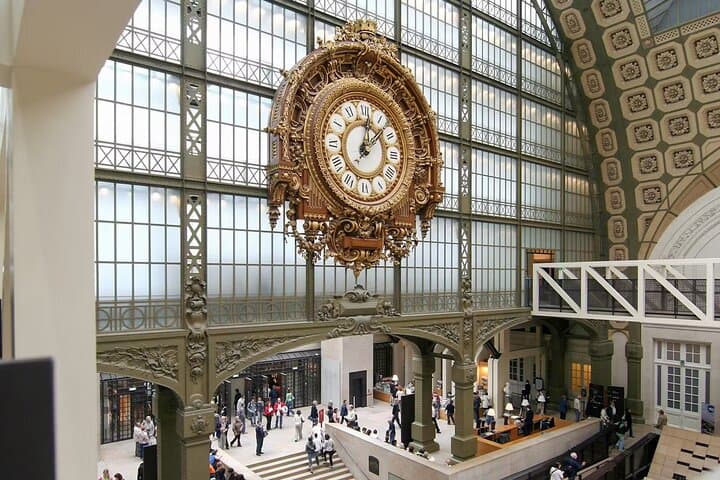
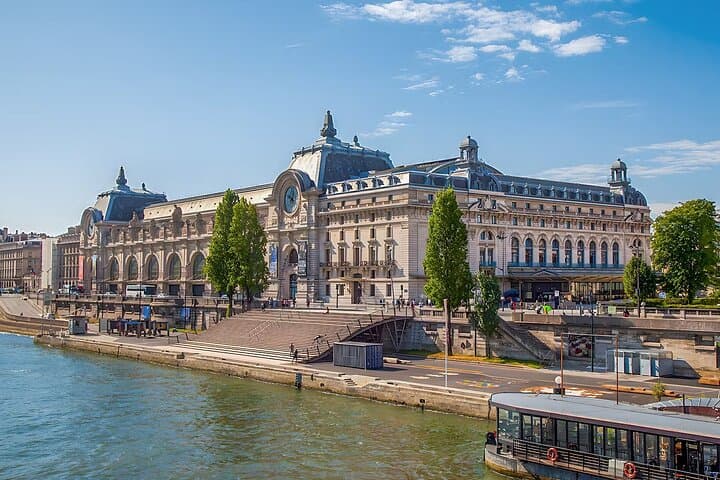
The building itself is part of the story: a Beaux-Arts railway hotel completed for the 1900 Exposition, later transformed into a museum that officially opened in 1986. Its grand clock faces the Seine, whose slow current nudges the Left Bank and the creative circles that made Paris a center of modern art. The Orsay houses Impressionist and Post‑Impressionist work that rewired visual language: loose brushwork, light as a subject, and everyday scenes elevated into study.
Inside, Degas’ dancers hold a private choreography, while Renoir’s portraits lean toward you with familiar warmth. Temporary exhibits often explore the era’s social and technical shifts — photography, industrial change, and Parisian urban life — giving historical context to the paintings.
Practical guide: fast-track tickets shave queue time, letting you plan 1–3 hours depending on depth. Download the museum app audio guide ahead of arrival and bring a small bag — larger bags pass through lockers. Peak times are midday and weekends; early mornings and late afternoons are quieter. The museum is accessible by RER C and several metro lines; security screening is standard. Photography for personal use is generally allowed without flash; always follow posted rules in temporary exhibits.
Walk the upper galleries to the giant clock window for a view across the Seine, then linger in the café if time allows — the building’s architecture is as much an exhibit as the art on its walls.
easy.
1–5 hours.
Suitable for most visitors; requires light standing and walking over several floors
Allocate 1–3 hours for highlights; 3–5 hours if you want to see temporary exhibitions and linger at key works.
Yes — the museum is accessible, with elevators and ramps; check gallery access for specific temporary exhibits.
Non‑commercial photography without flash is generally permitted in permanent collections; obey signs in temporary exhibits.
Mobile tickets are accepted; have the ticket QR code ready on your device to present at entry.
Housed in the former Gare d'Orsay (a 1900 Beaux‑Arts train station), the building was repurposed and reopened as a museum showcasing 19th‑century art in 1986.
The museum enforces no‑flash photography and regulated climate control to protect fragile pigments; visitors are encouraged to follow signage and minimize touching exhibits.
Tour Mints Ltd operates guided outdoor trips and adventures with an emphasis on safety, stewardship, and memorable experiences.
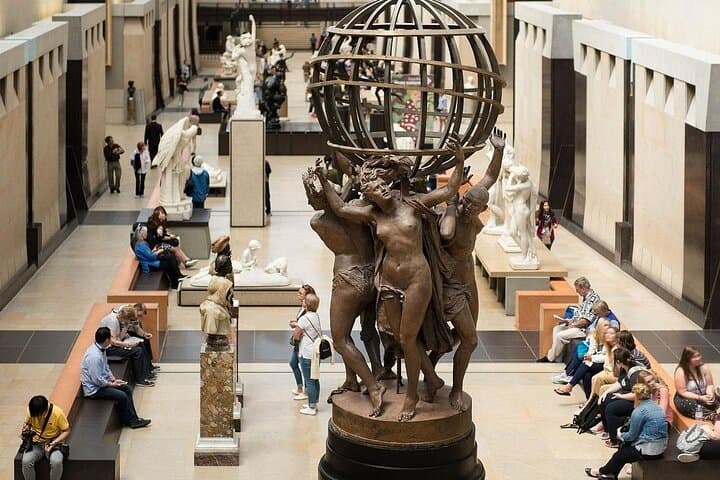
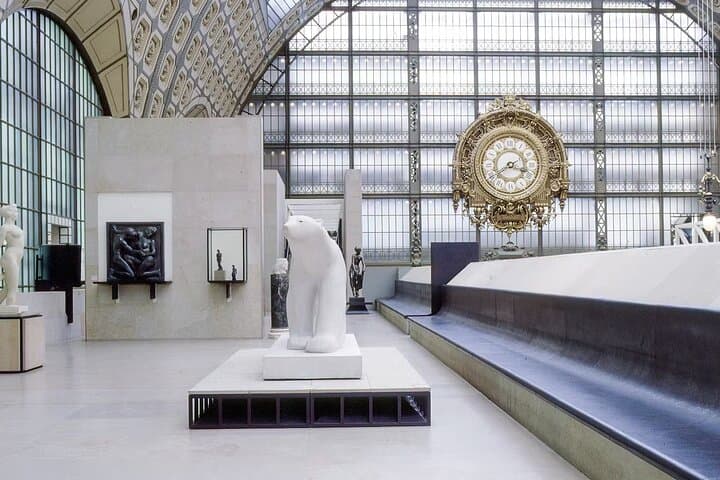
You step through an arched doorway into warm, golden light spilling across varnished wood floors — the former Gare d'Orsay reclaims you. Glass-roofed galleries open like stages, and canvases by Monet and Van Gogh pull the room's pulse into an intimate beat.
You step through an arched doorway into warm, golden light spilling across varnished wood floors — the former Gare d'Orsay reclaims you. Glass-roofed galleries open like stages, and canvases by Monet and Van Gogh pull the room's pulse into an intimate beat.
The building itself is part of the story: a Beaux-Arts railway hotel completed for the 1900 Exposition, later transformed into a museum that officially opened in 1986. Its grand clock faces the Seine, whose slow current nudges the Left Bank and the creative circles that made Paris a center of modern art. The Orsay houses Impressionist and Post‑Impressionist work that rewired visual language: loose brushwork, light as a subject, and everyday scenes elevated into study.
Inside, Degas’ dancers hold a private choreography, while Renoir’s portraits lean toward you with familiar warmth. Temporary exhibits often explore the era’s social and technical shifts — photography, industrial change, and Parisian urban life — giving historical context to the paintings.
Practical guide: fast-track tickets shave queue time, letting you plan 1–3 hours depending on depth. Download the museum app audio guide ahead of arrival and bring a small bag — larger bags pass through lockers. Peak times are midday and weekends; early mornings and late afternoons are quieter. The museum is accessible by RER C and several metro lines; security screening is standard. Photography for personal use is generally allowed without flash; always follow posted rules in temporary exhibits.
Walk the upper galleries to the giant clock window for a view across the Seine, then linger in the café if time allows — the building’s architecture is as much an exhibit as the art on its walls.