THE ADVENTURE COLLECTIVE® · Independent discovery and booking for outdoor travel

Skip the ticket lines and step straight into the scale and astronomy of Chichén Itzá. This practical guide explains what to see, how long to plan, and essentials for an efficient, respectful visit.
Skip the ticket lines and step straight into the scale and astronomy of Chichén Itzá. This practical guide explains what to see, how long to plan, and essentials for an efficient, respectful visit.
You step through a low, sun-warmed gate and the first view of El Castillo arrests you — a stepped silhouette against an uncompromising Yucatán sky. Early light throws sharp relief across carved stone; the plaza opens like a public stage and the whisper of tropical birds threads between columns.
Verified experiences and guided adventures in the surrounding area.
Operated by THINGS TO DO IN FZCO · Pisté, Yucatán
You step through a low, sun-warmed gate and the first view of El Castillo arrests you — a stepped silhouette against an uncompromising Yucatán sky. Early light throws sharp relief across carved stone; the plaza opens like a public stage and the whisper of tropical birds threads between columns.
Chichén Itzá grew from a Classic Maya city into a major Postclassic pilgrimage center (circa AD 600–900), its architecture reflecting Maya astronomy, ritual and regional trade. The central pyramid of Kukulkán aligns to equinox shadows; nearby, the Great Ballcourt records centuries of athletic and ceremonial drama. The Sacred Cenote hints at the site's limestone karst geology — collapsed sinkholes that were both freshwater sources and ritual sites. Local culture still echoes in traditional Yucatecan crafts and the small village of Pisté that serves visitors.
Practicalities shape the visit: skip-the-line tickets save time at the entrance, but the site is large and largely exposed to sun. Plan 2–3 hours to move between the pyramid, ballcourt, Temple of the Warriors and the cenote rim. Wear breathable footwear for packed-earth paths, carry at least 1–2 liters of water, and use sun protection — shade is limited. Photography is excellent but climbing the monuments is prohibited to protect fragile masonry.
Pair the visit with a stop at a nearby cenote or a guided walk along peripheral nature trails to spot coatis and parrots. Respect signage, support local guides, and allow time to pause — Chichén Itzá rewards both quick admiration and slow attention.
easy.
2–3 hours.
Suitable for most fitness levels; expect walking on packed-earth paths and some uneven surfaces.
Plan 2–3 hours to see the main monuments at a relaxed pace; longer if you join a guided tour or visit nearby cenotes.
No — climbing is prohibited for conservation and safety; there are designated viewing areas for photos.
Restrooms and basic food vendors exist near the entrance and in Pisté, but bring water and snacks for the site itself.
The site has limited accessibility due to terrain, but main entrance areas are wheelchair-friendly and the operator lists wheelchair access.
A major Maya center by the Terminal Classic–Postclassic period, Chichén Itzá displays astronomical planning and public ritual spaces tied to Maya cosmology.
High visitor numbers stress fragile stonework and ecosystems; follow signage, avoid touching carvings, and use local guides who support preservation efforts.
THINGS TO DO IN FZCO operates guided outdoor trips and adventures with an emphasis on safety, stewardship, and memorable experiences.
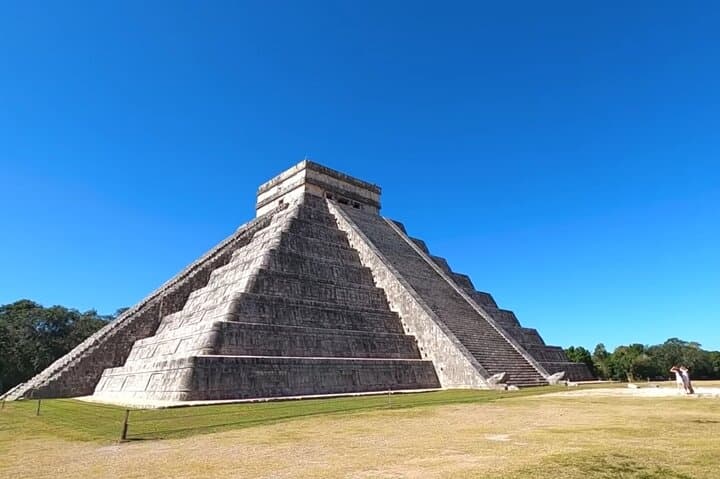
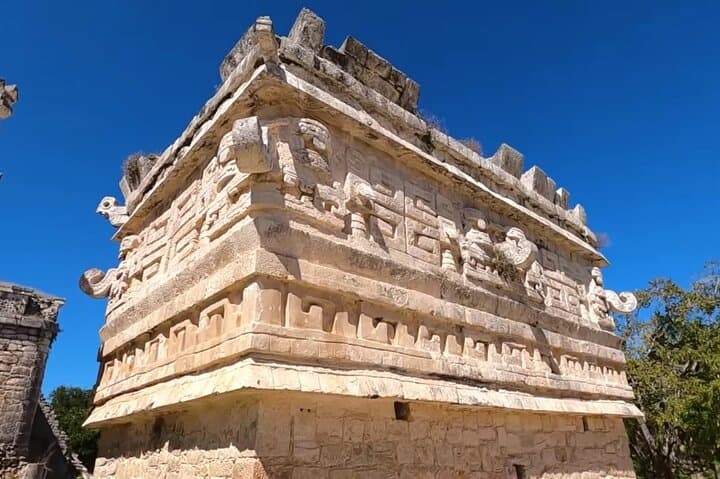
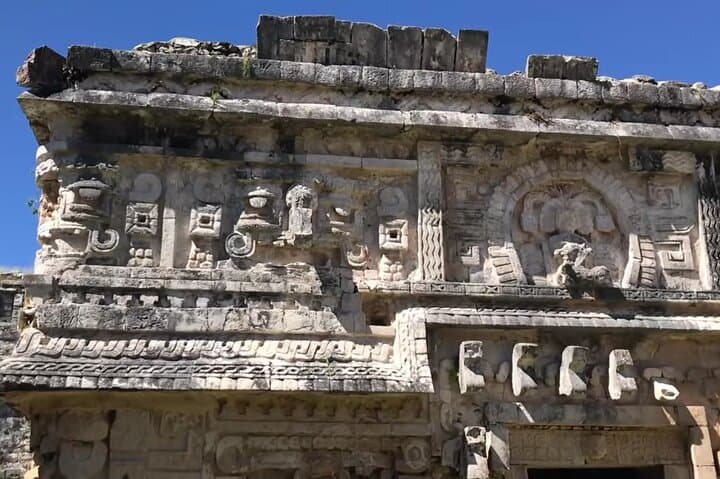
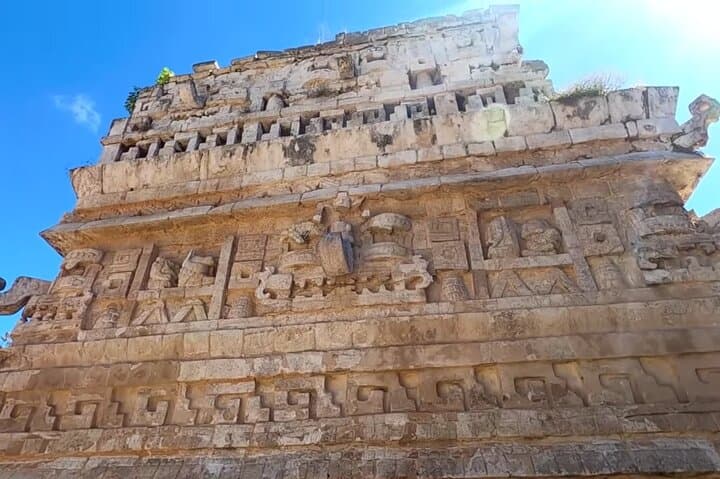
You step through a low, sun-warmed gate and the first view of El Castillo arrests you — a stepped silhouette against an uncompromising Yucatán sky. Early light throws sharp relief across carved stone; the plaza opens like a public stage and the whisper of tropical birds threads between columns.
You step through a low, sun-warmed gate and the first view of El Castillo arrests you — a stepped silhouette against an uncompromising Yucatán sky. Early light throws sharp relief across carved stone; the plaza opens like a public stage and the whisper of tropical birds threads between columns.
Chichén Itzá grew from a Classic Maya city into a major Postclassic pilgrimage center (circa AD 600–900), its architecture reflecting Maya astronomy, ritual and regional trade. The central pyramid of Kukulkán aligns to equinox shadows; nearby, the Great Ballcourt records centuries of athletic and ceremonial drama. The Sacred Cenote hints at the site's limestone karst geology — collapsed sinkholes that were both freshwater sources and ritual sites. Local culture still echoes in traditional Yucatecan crafts and the small village of Pisté that serves visitors.
Practicalities shape the visit: skip-the-line tickets save time at the entrance, but the site is large and largely exposed to sun. Plan 2–3 hours to move between the pyramid, ballcourt, Temple of the Warriors and the cenote rim. Wear breathable footwear for packed-earth paths, carry at least 1–2 liters of water, and use sun protection — shade is limited. Photography is excellent but climbing the monuments is prohibited to protect fragile masonry.
Pair the visit with a stop at a nearby cenote or a guided walk along peripheral nature trails to spot coatis and parrots. Respect signage, support local guides, and allow time to pause — Chichén Itzá rewards both quick admiration and slow attention.