THE ADVENTURE COLLECTIVE® · Independent discovery and booking for outdoor travel

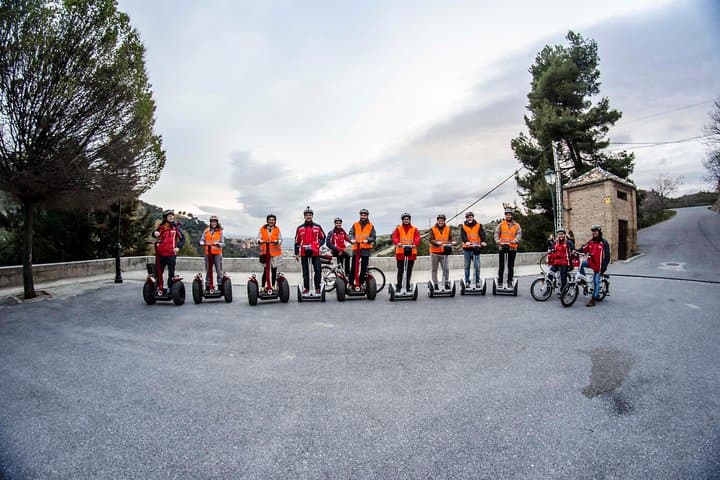
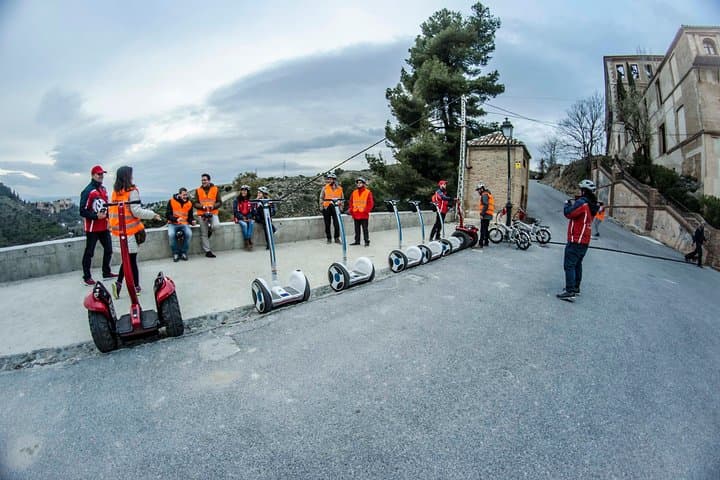
Combine a skip-the-line guided visit to the Alhambra with an afternoon Segway or electric-bike tour of Albaicín and Sacromonte. This combo pairs deep historical context in the morning with a kinetic, hillside ride through Granada’s oldest neighborhoods in the afternoon.
Combine a skip-the-line guided visit to the Alhambra with an afternoon Segway or electric-bike tour of Albaicín and Sacromonte. This combo pairs deep historical context in the morning with a kinetic, hillside ride through Granada’s oldest neighborhoods in the afternoon.
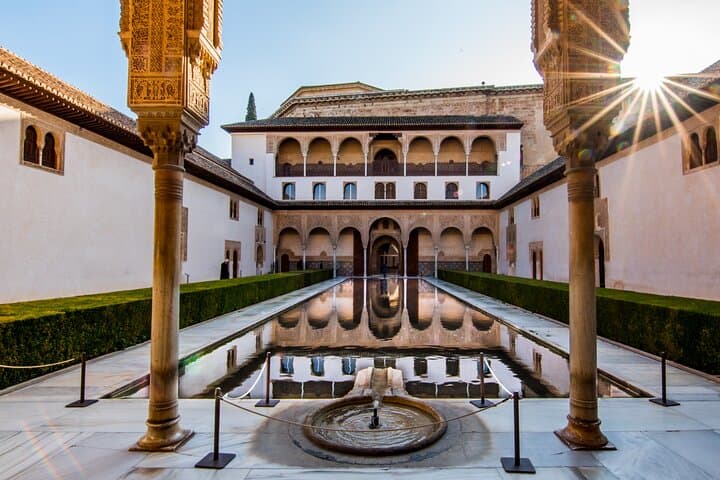
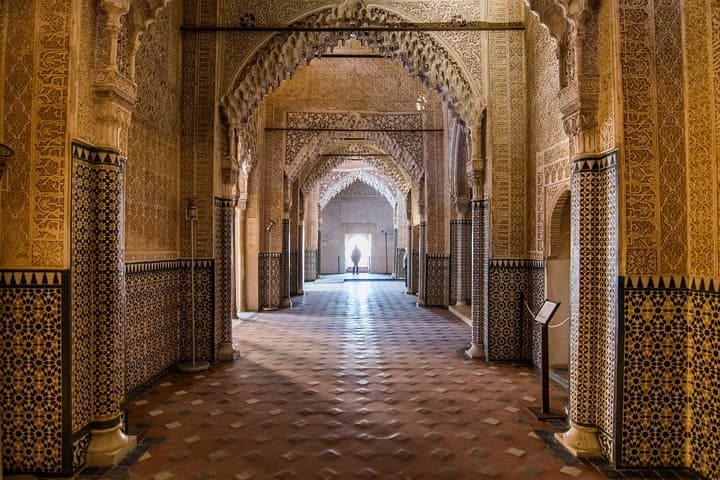
You push through the low morning light at Paseo de la Sabica and the red ochre walls of the Alhambra rise ahead—solid, ancient and deliberately defensive. Inside, stone courtyards cool your steps, fountains insistently moving and stucco filigree catching the sun. The palace complex unfolds across terraces: Nasrid palaces, the Generalife’s boxy gardens, and viewpoints that pry open the city below.
Verified experiences and guided adventures in the surrounding area.
Operated by GRANAVISION - Movviendo Tourism Group · Granada, Andalusia
You push through the low morning light at Paseo de la Sabica and the red ochre walls of the Alhambra rise ahead—solid, ancient and deliberately defensive. Inside, stone courtyards cool your steps, fountains insistently moving and stucco filigree catching the sun. The palace complex unfolds across terraces: Nasrid palaces, the Generalife’s boxy gardens, and viewpoints that pry open the city below.
Built across centuries of Muslim and later Christian rule, the Alhambra is both fortress and court—an architectural record of Granada’s contested history. The hill itself sits on Miocene sediment and older metamorphic bedrock from the Sierra Nevada foothills, giving its slopes the steep, walkable terraces that locals long used as viewpoints and gardens. After the guided palace walk, the afternoon shifts tone: a guided Segway or electric-bike loop through Albaicín’s narrow lanes and Sacromonte’s cave houses. Albaicín still keeps its Moorish street grid and whitewashed facades; Sacromonte offers hillside caves where flamenco and gypsy culture persist.
Practical note: the Alhambra requires full names and passport details for entry—have them ready. Expect three hours on foot in uneven stone surfaces and about an hour-plus riding, with some cobblestones and short climbs. Bring comfortable shoes, sun protection and a small daypack for water. If you prefer a gentler pace, choose the e-bike; if you like a novelty with balance training, the Segway tightens the experience. Time your visit for morning light in the palaces and late-afternoon golden views from Mirador de San Nicolás to see Granada’s slopes glow before dusk.
moderate.
5 hours.
Suitable for average fitness: expect three hours of walking on uneven ground plus an hour-plus of standing/riding; participants should be able to walk short uphill sections.
Yes. The Alhambra requires full names, dates of birth and passport numbers for each visitor; have them ready when booking and on the day of the tour.
Minimum ages apply: 10 years for an electric bike and 12 years for a Segway; operator training and parental supervision are required.
The guided visit covers roughly three hours on stone floors and steps—comfortable walking ability is enough, but wear supportive shoes and plan for slow, steady walking.
The Alhambra Trust may alter routes or restrict areas; the operator will adapt the itinerary and inform participants, possibly changing start times the day before.
The Alhambra was built and expanded by the Nasrid rulers of the Kingdom of Granada in the 13th–15th centuries and later modified under Christian rule, reflecting layered political and artistic histories.
Visitor numbers are regulated and identity checks enforced to protect fragile monuments; stay on marked paths, avoid touching restorations, and use public transport to reduce local impact.
GRANAVISION - Movviendo Tourism Group operates guided outdoor trips and adventures with an emphasis on safety, stewardship, and memorable experiences.
You push through the low morning light at Paseo de la Sabica and the red ochre walls of the Alhambra rise ahead—solid, ancient and deliberately defensive. Inside, stone courtyards cool your steps, fountains insistently moving and stucco filigree catching the sun. The palace complex unfolds across terraces: Nasrid palaces, the Generalife’s boxy gardens, and viewpoints that pry open the city below.
You push through the low morning light at Paseo de la Sabica and the red ochre walls of the Alhambra rise ahead—solid, ancient and deliberately defensive. Inside, stone courtyards cool your steps, fountains insistently moving and stucco filigree catching the sun. The palace complex unfolds across terraces: Nasrid palaces, the Generalife’s boxy gardens, and viewpoints that pry open the city below.
Built across centuries of Muslim and later Christian rule, the Alhambra is both fortress and court—an architectural record of Granada’s contested history. The hill itself sits on Miocene sediment and older metamorphic bedrock from the Sierra Nevada foothills, giving its slopes the steep, walkable terraces that locals long used as viewpoints and gardens. After the guided palace walk, the afternoon shifts tone: a guided Segway or electric-bike loop through Albaicín’s narrow lanes and Sacromonte’s cave houses. Albaicín still keeps its Moorish street grid and whitewashed facades; Sacromonte offers hillside caves where flamenco and gypsy culture persist.
Practical note: the Alhambra requires full names and passport details for entry—have them ready. Expect three hours on foot in uneven stone surfaces and about an hour-plus riding, with some cobblestones and short climbs. Bring comfortable shoes, sun protection and a small daypack for water. If you prefer a gentler pace, choose the e-bike; if you like a novelty with balance training, the Segway tightens the experience. Time your visit for morning light in the palaces and late-afternoon golden views from Mirador de San Nicolás to see Granada’s slopes glow before dusk.