THE ADVENTURE COLLECTIVE® · Independent discovery and booking for outdoor travel

Move through Sultanahmet with a local guide who turns crowds into context. This private walking tour pairs efficient access to Hagia Sophia, Topkapı, the Blue Mosque and the Basilica Cistern with local stories and practical timing tips.
Move through Sultanahmet with a local guide who turns crowds into context. This private walking tour pairs efficient access to Hagia Sophia, Topkapı, the Blue Mosque and the Basilica Cistern with local stories and practical timing tips.
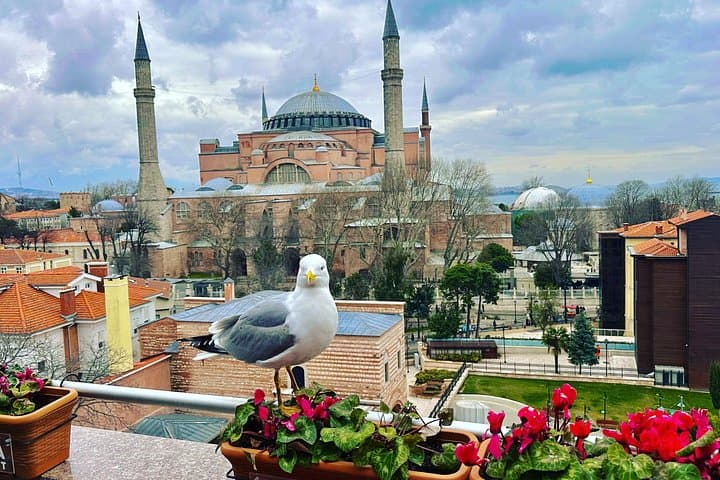
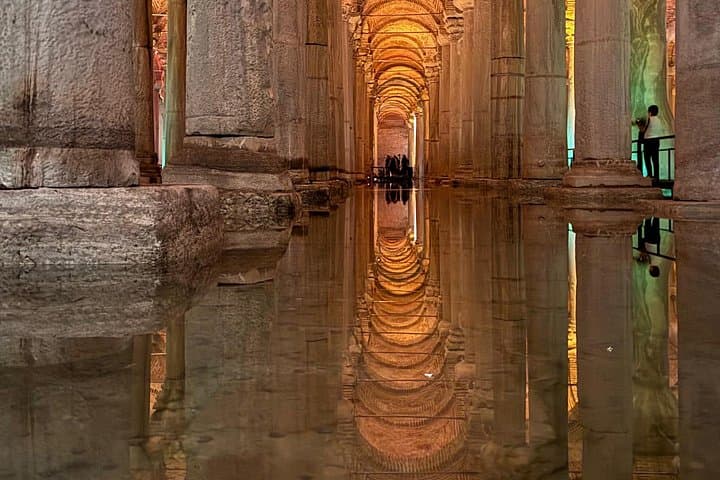
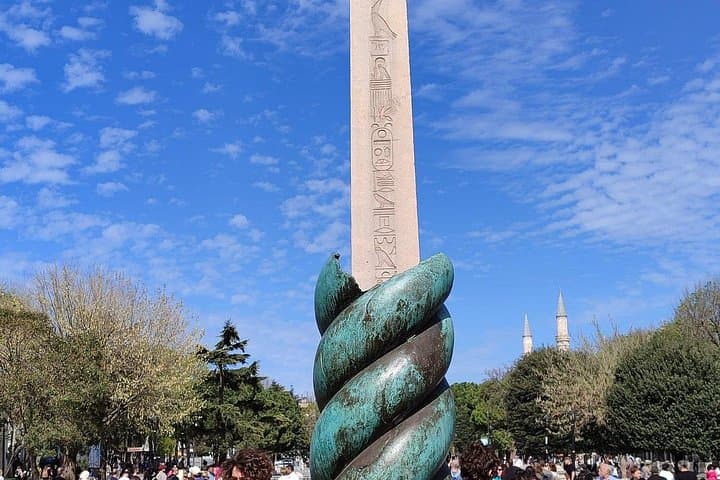
You step out into Sultanahmet Square as morning light slides across pale stone—seagulls argue over a crust near the fountain, and the call to prayer threads through minarets. A local guide named Taha turns details into stories: where chariot dust once thickened the Hippodrome, which windows framed imperial processions, and why an upside-down Medusa watches from the cistern’s shadow.
Verified experiences and guided adventures in the surrounding area.
Operated by Taha Guide of Turkiye · Istanbul, Istanbul
You step out into Sultanahmet Square as morning light slides across pale stone—seagulls argue over a crust near the fountain, and the call to prayer threads through minarets. A local guide named Taha turns details into stories: where chariot dust once thickened the Hippodrome, which windows framed imperial processions, and why an upside-down Medusa watches from the cistern’s shadow.
Istanbul’s Old City is a layered place. Byzantium’s grid met Ottoman ambition; Roman engineering holds up basilicas and cisterns, while Ottoman tilework blooms inside the Blue Mosque. The city sits where continents and currents converge—the Bosporus slices Europe from Asia, shaping trade, culture, and a thousand-year political heartbeat.
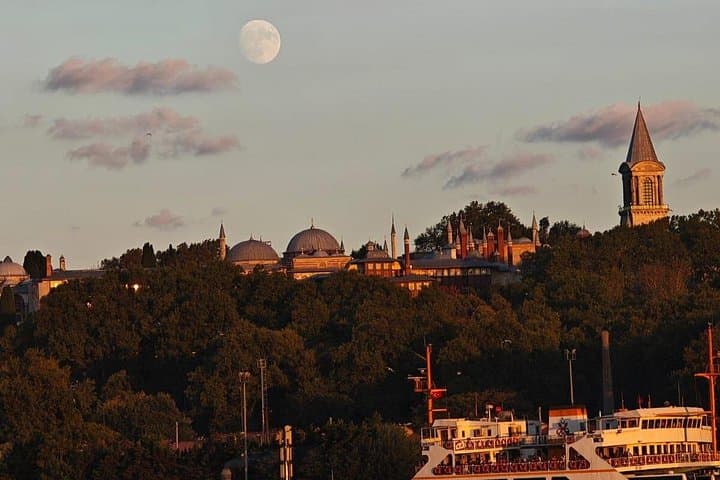
A private walking tour here moves briskly but sensitively: expect curated access to major sites (Hagia Sophia’s dome, Blue Mosque, Topkapı’s courtyards, Basilica Cistern) with insider context that preview crowds and skip practical delays. Topkapı’s Harem often requires a separate ticket (notably, Topkapı may be closed certain days) and some interiors have restricted access; your guide will advise timing and ticket strategy.
Practical edge: wear comfortable, grippy shoes for cobbles and cistern steps, bring a lightweight scarf for mosque entry, and carry a small bottle of water — historic sites have limited facilities. Midday crowds peak; book morning or late-afternoon slots to avoid heat and the thickest tour traffic. With a private guide like Taha you trade a fixed script for a paced, question-friendly exploration of a city that still feels lived-in and insistently historic.
moderate.
1–7 hours.
Suitable for travelers with moderate fitness—the tour includes extended walking, stairs and standing during site visits.
The private format is designed to minimize waiting by timing visits, but some historic sites require separate tickets or have limited capacity—your guide will advise on advance tickets when necessary.
Many parts of the Old City can accommodate strollers, but expect stairs and uneven ground in places like the Basilica Cistern and palace courtyards.
Mosques generally allow free entry, but you must follow dress and behavior rules; some areas may be closed during prayer times—your guide will plan accordingly.
For private tours during high season, book several weeks ahead to secure preferred times; last-minute bookings may still be possible off-peak.
Istanbul’s Old City preserves layers of imperial rule—from Byzantium’s Constantinople to the Ottoman capital—reflected in churches, mosques and palace complexes that adapted older structures across centuries.
Heavy tourist traffic stresses fragile stonework and tile; travelers can reduce impact by staying on marked paths, avoiding flash photography in sensitive interiors and supporting local conservation fees when offered.
Taha Guide of Turkiye operates guided outdoor trips and adventures with an emphasis on safety, stewardship, and memorable experiences.
You step out into Sultanahmet Square as morning light slides across pale stone—seagulls argue over a crust near the fountain, and the call to prayer threads through minarets. A local guide named Taha turns details into stories: where chariot dust once thickened the Hippodrome, which windows framed imperial processions, and why an upside-down Medusa watches from the cistern’s shadow.
You step out into Sultanahmet Square as morning light slides across pale stone—seagulls argue over a crust near the fountain, and the call to prayer threads through minarets. A local guide named Taha turns details into stories: where chariot dust once thickened the Hippodrome, which windows framed imperial processions, and why an upside-down Medusa watches from the cistern’s shadow.
Istanbul’s Old City is a layered place. Byzantium’s grid met Ottoman ambition; Roman engineering holds up basilicas and cisterns, while Ottoman tilework blooms inside the Blue Mosque. The city sits where continents and currents converge—the Bosporus slices Europe from Asia, shaping trade, culture, and a thousand-year political heartbeat.
A private walking tour here moves briskly but sensitively: expect curated access to major sites (Hagia Sophia’s dome, Blue Mosque, Topkapı’s courtyards, Basilica Cistern) with insider context that preview crowds and skip practical delays. Topkapı’s Harem often requires a separate ticket (notably, Topkapı may be closed certain days) and some interiors have restricted access; your guide will advise timing and ticket strategy.
Practical edge: wear comfortable, grippy shoes for cobbles and cistern steps, bring a lightweight scarf for mosque entry, and carry a small bottle of water — historic sites have limited facilities. Midday crowds peak; book morning or late-afternoon slots to avoid heat and the thickest tour traffic. With a private guide like Taha you trade a fixed script for a paced, question-friendly exploration of a city that still feels lived-in and insistently historic.