THE ADVENTURE COLLECTIVE® · Independent discovery and booking for outdoor travel

A three-day ski-touring traverse across Triglav National Park from Vogel to Krma, linking iconic ridgelines, the Komna plateau and a bivouac beneath Prehodavci. Expect long ascents, technical descents and alpine hut nights guided by experienced leaders.
A three-day ski-touring traverse across Triglav National Park from Vogel to Krma, linking iconic ridgelines, the Komna plateau and a bivouac beneath Prehodavci. Expect long ascents, technical descents and alpine hut nights guided by experienced leaders.
A blue-gray morning at Lake Bohinj, skis already clipped, sets the tone: cable car hums, guides tighten harnesses, and the Julian Alps rise like a planned challenge. Snow drifts across the Vogel ridgeline as the group skins to Šija (1,880 m), the wind shaping cornices and calling the line the party will ride back down.
Verified experiences and guided adventures in the surrounding area.
Operated by Kofler sport-sport agency · Bohinj, Upper Carniola
A blue-gray morning at Lake Bohinj, skis already clipped, sets the tone: cable car hums, guides tighten harnesses, and the Julian Alps rise like a planned challenge. Snow drifts across the Vogel ridgeline as the group skins to Šija (1,880 m), the wind shaping cornices and calling the line the party will ride back down.
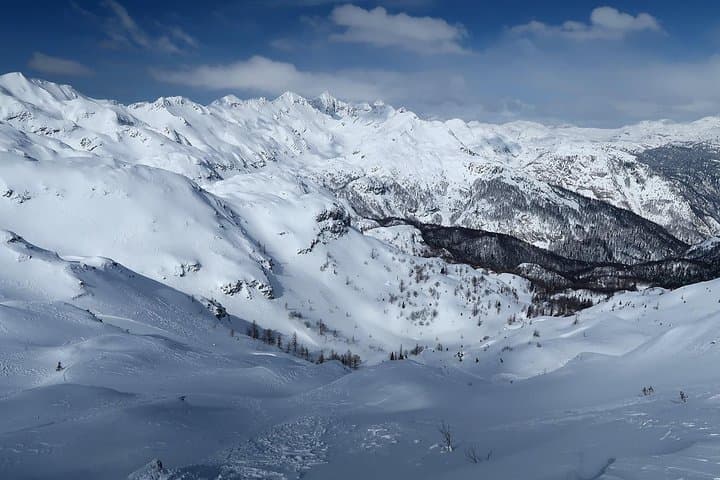
This traverse threads classic Triglav terrain — glacial plateaus, steep couloirs and the Komna alpine bowl — shaped by ice and shepherding cultures. Triglav is more than a mountain here; it’s Slovenia’s geographic heart, and the Seven Lakes valley (Sedmera jezera) carries both glacial history and local lore beneath a winter blanket.
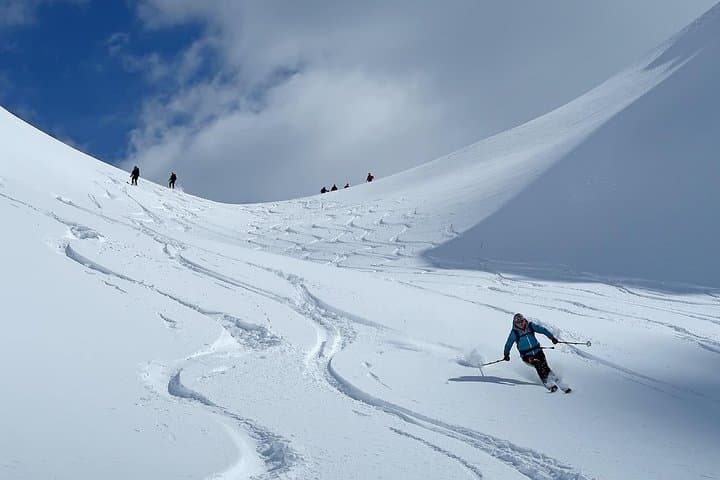
The route is precise: day one climbs from Vogel (1,510 m) to Dom na Komni (1,520 m) via mixed skintracks and modest booting; day two climbs to Čelo (2,232 m) then down into the frozen Seven Lakes before bivouacking at Prehodavci (2,070 m); day three tops out on Kanjavec (2,568 m) and finishes with a long 800+ vertical meter descent into Krma (980 m). Expect steep ascents, exposed ridgelines, and variable snow that demands constant route judgment.
Practical edge: travel with a certified mountain guide, carry an avalanche beacon/probe/shovel, and plan for hut or bivouac sleeping at altitude. Time your days for morning ascents and afternoon descents to avoid wind-loaded slopes. Layer for cold, carry a map and GPS, and respect hut reservation and local trail etiquette — the high alpine zones here heal slowly when abused.
challenging.
3 days (approx. 72 hours).
Good aerobic fitness and endurance for multiple 800–1,000 m ascents at altitude; ability to carry overnight pack.
Yes — participants should be comfortable with uphill skinning, kicking steps and controlled downhill turns in variable snow; guides assume basic touring competence.
Not required to join, but strongly recommended; guides carry rescue kit and training, but personal course experience improves group safety.
The trip includes a night in Dom na Komni and a bivouac at Prehodavci; some nights use mountain huts with half-board meals as listed in inclusions.
Temperatures commonly fall below -10°C at bivouac elevations; the operator cancels for dangerous weather or avalanche risk and offers full refund with 24-hour notice per policy.
Triglav has long cultural significance for Slovenians and the alpine huts were established in the late 19th–20th centuries to support mountain travel and mountaineering.
High-alpine vegetation and snowpack recover slowly; stick to existing routes, pack out all waste and use hut facilities to minimize impact.
Kofler sport-sport agency operates guided outdoor trips and adventures with an emphasis on safety, stewardship, and memorable experiences.
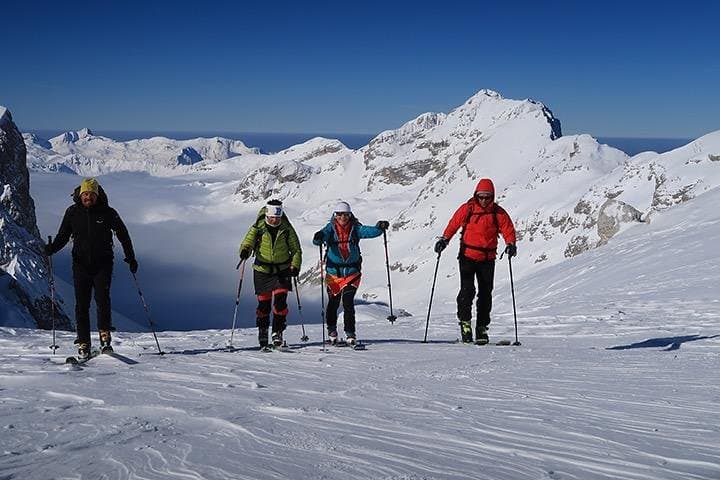
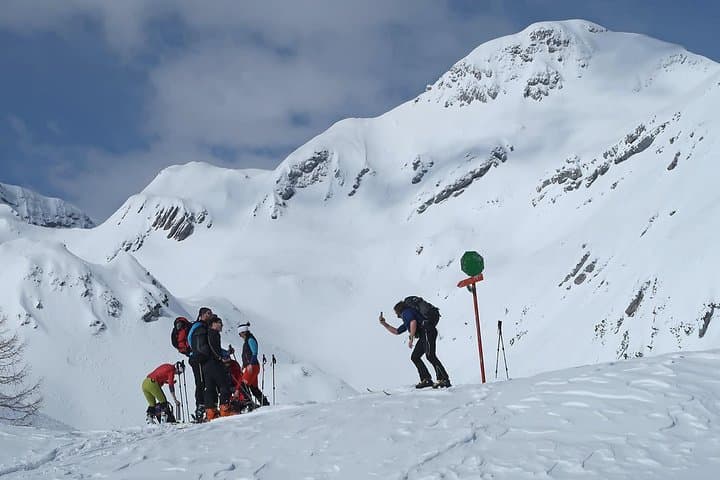
A blue-gray morning at Lake Bohinj, skis already clipped, sets the tone: cable car hums, guides tighten harnesses, and the Julian Alps rise like a planned challenge. Snow drifts across the Vogel ridgeline as the group skins to Šija (1,880 m), the wind shaping cornices and calling the line the party will ride back down.
A blue-gray morning at Lake Bohinj, skis already clipped, sets the tone: cable car hums, guides tighten harnesses, and the Julian Alps rise like a planned challenge. Snow drifts across the Vogel ridgeline as the group skins to Šija (1,880 m), the wind shaping cornices and calling the line the party will ride back down.
This traverse threads classic Triglav terrain — glacial plateaus, steep couloirs and the Komna alpine bowl — shaped by ice and shepherding cultures. Triglav is more than a mountain here; it’s Slovenia’s geographic heart, and the Seven Lakes valley (Sedmera jezera) carries both glacial history and local lore beneath a winter blanket.
The route is precise: day one climbs from Vogel (1,510 m) to Dom na Komni (1,520 m) via mixed skintracks and modest booting; day two climbs to Čelo (2,232 m) then down into the frozen Seven Lakes before bivouacking at Prehodavci (2,070 m); day three tops out on Kanjavec (2,568 m) and finishes with a long 800+ vertical meter descent into Krma (980 m). Expect steep ascents, exposed ridgelines, and variable snow that demands constant route judgment.
Practical edge: travel with a certified mountain guide, carry an avalanche beacon/probe/shovel, and plan for hut or bivouac sleeping at altitude. Time your days for morning ascents and afternoon descents to avoid wind-loaded slopes. Layer for cold, carry a map and GPS, and respect hut reservation and local trail etiquette — the high alpine zones here heal slowly when abused.