THE ADVENTURE COLLECTIVE® · Independent discovery and booking for outdoor travel

Walk onto an outlet of Vatnajökull for a three‑hour, guide‑led glacier hike out of Skaftafell. Small groups, full glacier kit, and vivid ice formations make this a high-impact, accessible wilderness experience.
Walk onto an outlet of Vatnajökull for a three‑hour, guide‑led glacier hike out of Skaftafell. Small groups, full glacier kit, and vivid ice formations make this a high-impact, accessible wilderness experience.
You step off the van and the air changes as if someone has turned the world down a notch — quieter, thinner, edged with cold. A sweep of blue-white unfolds ahead: an outlet glacier spilling from Vatnajökull with crevasses yawning like old faults in a frozen desert. The guide fits your crampons, hands you a helmet and an ice axe, and for the next three hours the glacier becomes both classroom and playground.
Verified experiences and guided adventures in the surrounding area.
Operated by Troll Expeditions · Skaftafell, South Iceland
You step off the van and the air changes as if someone has turned the world down a notch — quieter, thinner, edged with cold. A sweep of blue-white unfolds ahead: an outlet glacier spilling from Vatnajökull with crevasses yawning like old faults in a frozen desert. The guide fits your crampons, hands you a helmet and an ice axe, and for the next three hours the glacier becomes both classroom and playground.
Skaftafell sits on the edge of Vatnajökull National Park, where Iceland’s volcanic backbone meets Europe’s largest ice sheet. The ice you cross here is a living archive of climate and geology — layers of compacted snow, glacier ice ground by basalt, and the occasional ribbon of ash from historic eruptions. Icelanders have walked these tongues of ice for centuries; more recently, filmmakers used the stark light and dramatic crevasses to stage scenes that required a landscape that looks otherworldly and unforgiving.
On a guided hike you’ll trace the glacier’s slow motion: moulins that drain meltwater into the ice, seracs balancing like frozen monuments, and the glassy cobalt of deep ice where air bubbles have been squeezed out over millennia. The guide explains how the glacier grows and retreats, and how subtle scars in the ice reveal past summers and storms.
Practical details are straightforward. Tours depart from the Troll Expeditions meeting point in Skaftafell — roughly a 4½-hour drive from Reykjavík in fair weather — and run about three hours on the ice with groups capped at a small number so instruction and safety stay personal. Helmets, harnesses, ice axes and crampons are supplied; the company also offers hot coffee and chocolate after the walk. Minimum age is eight, and operators run in most weather, so dress in waterproof, layered clothing and bring sturdy boots.
The terrain is uneven: expect two to four kilometers of walking on ice with modest elevation changes. If you have limited mobility or worry about exposure, tell the guide — they tailor the route to conditions and group ability. Photo opportunities are abundant: blue crevasses framed by wind-swept ridges, and wide, reflective surfaces that catch low sunlight.
Safety and respect for the environment matter here. Stick to your guide’s lines, avoid fragile moraines, and pack out any trash. If you time the hike for late spring or early summer, you’ll see more meltwater features; in colder months the ice is harder and the blues deepen. For many visitors, the Skaftafell glacier hike is a compact, intense introduction to Icelandic ice — a chance to feel the slow work of a glacier under your feet and leave with a clearer sense of the landscape’s vast, changeable forces.
moderate.
3 hours.
Moderate fitness: comfortable walking on uneven, icy terrain for up to three hours and able to follow short steep sections.
The guided portion on the ice is about two to three hours, with total excursion time around three hours including gear fitting and briefing.
No prior glacier experience is required; guides teach crampon use, ice-axe basics, and safe walking techniques before you go on the ice.
Helmets, harnesses, crampons and ice axes are provided by the operator; bring your own boots and weather-appropriate clothing.
Yes—minimum age is 8, but guides will assess younger participants’ ability to handle cold and uneven terrain before heading onto the glacier.
The meeting point is Troll Expeditions Skaftafell; expect about 4½ hours’ driving from Reykjavík under good conditions—plan extra time for winter travel.
Operators may cancel if conditions are unsafe; you can get a full refund if you cancel at least 24 hours before the scheduled departure.
Skaftafell was a standalone national park until 2008, when it joined Vatnajökull National Park; local farms have coexisted with the dynamic ice and volcanic landscape for centuries.
Glacier access is tightly managed to reduce impact; stay with your guide, avoid stepping on fragile vegetation near moraines, and pack out all waste.
Troll Expeditions operates guided outdoor trips and adventures with an emphasis on safety, stewardship, and memorable experiences.
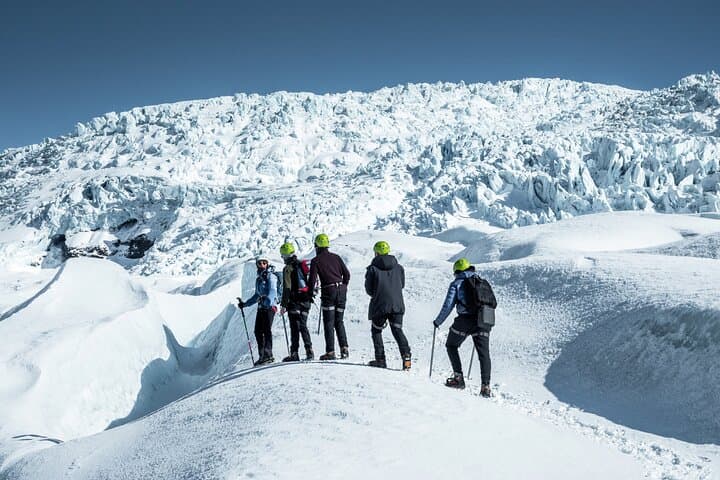
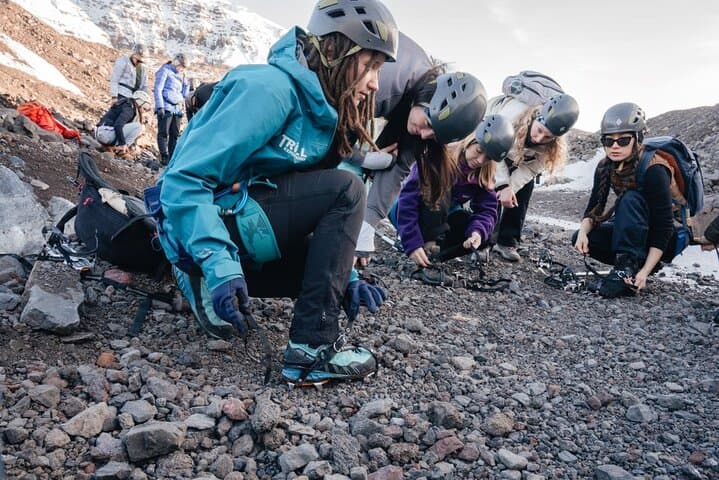
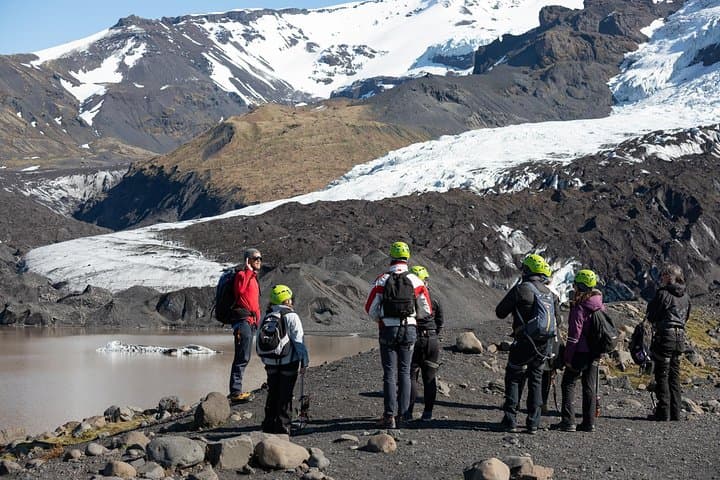
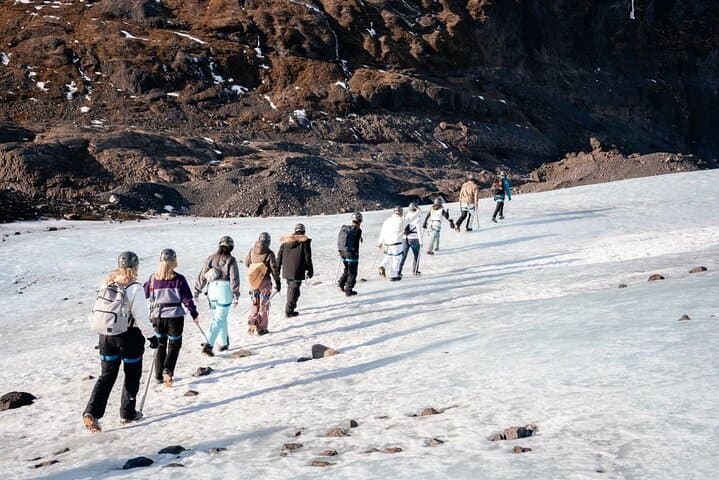
You step off the van and the air changes as if someone has turned the world down a notch — quieter, thinner, edged with cold. A sweep of blue-white unfolds ahead: an outlet glacier spilling from Vatnajökull with crevasses yawning like old faults in a frozen desert. The guide fits your crampons, hands you a helmet and an ice axe, and for the next three hours the glacier becomes both classroom and playground.
You step off the van and the air changes as if someone has turned the world down a notch — quieter, thinner, edged with cold. A sweep of blue-white unfolds ahead: an outlet glacier spilling from Vatnajökull with crevasses yawning like old faults in a frozen desert. The guide fits your crampons, hands you a helmet and an ice axe, and for the next three hours the glacier becomes both classroom and playground.
Skaftafell sits on the edge of Vatnajökull National Park, where Iceland’s volcanic backbone meets Europe’s largest ice sheet. The ice you cross here is a living archive of climate and geology — layers of compacted snow, glacier ice ground by basalt, and the occasional ribbon of ash from historic eruptions. Icelanders have walked these tongues of ice for centuries; more recently, filmmakers used the stark light and dramatic crevasses to stage scenes that required a landscape that looks otherworldly and unforgiving.
On a guided hike you’ll trace the glacier’s slow motion: moulins that drain meltwater into the ice, seracs balancing like frozen monuments, and the glassy cobalt of deep ice where air bubbles have been squeezed out over millennia. The guide explains how the glacier grows and retreats, and how subtle scars in the ice reveal past summers and storms.
Practical details are straightforward. Tours depart from the Troll Expeditions meeting point in Skaftafell — roughly a 4½-hour drive from Reykjavík in fair weather — and run about three hours on the ice with groups capped at a small number so instruction and safety stay personal. Helmets, harnesses, ice axes and crampons are supplied; the company also offers hot coffee and chocolate after the walk. Minimum age is eight, and operators run in most weather, so dress in waterproof, layered clothing and bring sturdy boots.
The terrain is uneven: expect two to four kilometers of walking on ice with modest elevation changes. If you have limited mobility or worry about exposure, tell the guide — they tailor the route to conditions and group ability. Photo opportunities are abundant: blue crevasses framed by wind-swept ridges, and wide, reflective surfaces that catch low sunlight.
Safety and respect for the environment matter here. Stick to your guide’s lines, avoid fragile moraines, and pack out any trash. If you time the hike for late spring or early summer, you’ll see more meltwater features; in colder months the ice is harder and the blues deepen. For many visitors, the Skaftafell glacier hike is a compact, intense introduction to Icelandic ice — a chance to feel the slow work of a glacier under your feet and leave with a clearer sense of the landscape’s vast, changeable forces.