THE ADVENTURE COLLECTIVE® · Independent discovery and booking for outdoor travel

Skip the guesswork after landing at SJO: this private transfer delivers door-to-door transport to Río Perdido Lodge with a bilingual driver, scenic stops, and an adaptable schedule. Read on for what to expect on the 4–6 hour drive through Costa Rica’s central mountains and Guanacaste lowlands.
Skip the guesswork after landing at SJO: this private transfer delivers door-to-door transport to Río Perdido Lodge with a bilingual driver, scenic stops, and an adaptable schedule. Read on for what to expect on the 4–6 hour drive through Costa Rica’s central mountains and Guanacaste lowlands.
You step out of SJO into a sun-warmed plaza and the driver’s sign catches your eye — bilingual, punctual, and ready to point the route west. The road climbs and drops through Costa Rica’s central mountain range, opening into green valleys and distant volcanic shoulders as you head toward Río Perdido in Guanacaste.
Verified experiences and guided adventures in the surrounding area.
Operated by CostaRicaTripGuide · Alajuela, Alajuela
You step out of SJO into a sun-warmed plaza and the driver’s sign catches your eye — bilingual, punctual, and ready to point the route west. The road climbs and drops through Costa Rica’s central mountain range, opening into green valleys and distant volcanic shoulders as you head toward Río Perdido in Guanacaste.
The drive follows the Interamericana Highway, a corridor etched into the country’s modern history that threads colonial-era towns, cattle ranches, and roadside fruit stalls. Geologically, the route crosses volcanic highlands and washes toward drier lowland basins; the landscape changes from cloud-brushed ridges to scrubby Guanacaste foothills in the space of a few hours. Expect roadside culture — cebiches, coffee shops, farmers — and drivers who can translate local stories about land use, migration, and conservation.
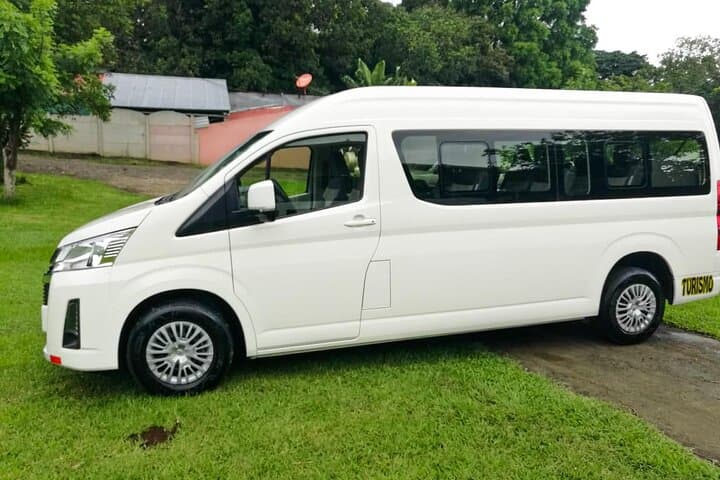
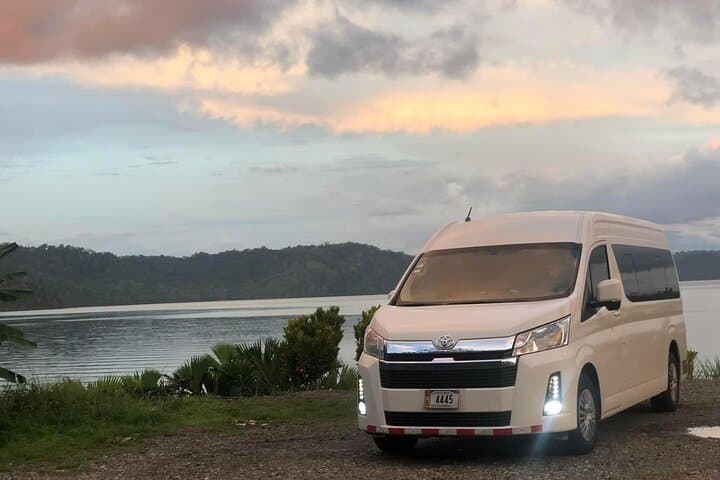
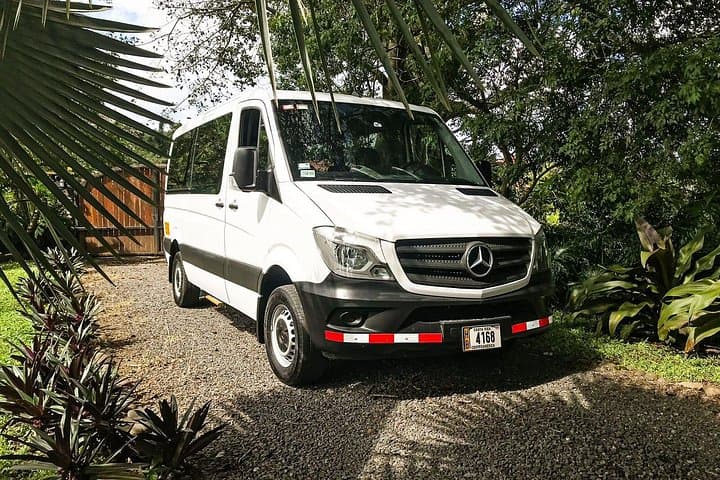
Practicalities matter: allow 30–40 minutes for immigration and customs at SJO before your pickup; the total drive to Río Perdido is roughly 195 km (about 4–6 hours depending on traffic and road conditions). Vehicles are air-conditioned, often equipped with WiFi, and can accommodate groceries or infant seats on request. Stops for coffee, toilets, or a scenic viewpoint are standard; ask your driver for a short detour if you want a photo of a sweeping valley or a roadside fruit market.
Travel light but bring layers — the highlands can be cool and Guanacaste hot. Keep passports and confirmations accessible, carry cash for small purchases at remote stops, and respect private roads and local reserves. This transfer is straightforward travel logistics delivered with local knowledge: a practical, comfortable bridge between the bustle of San José and the quieter pulse of Guanacaste’s rivers and hot springs.
easy.
4–6 hours.
No special fitness required; suitable for travelers of all ages
After customs and baggage claim, exit the terminal and turn right; your driver will be waiting outside holding a sign with your name.
Expect about 4–6 hours (roughly 195 km / 121 miles), depending on traffic, road conditions, and any stops you make.
Yes — drivers typically include rest stops for meals, coffee, bathrooms, and short scenic detours when time allows; request specific stops when booking.
Infant seats are available on request and some vehicles offer onboard WiFi; confirm these options at booking.
The Interamericana Highway shaped Costa Rica’s commerce and travel, linking San José with Pacific and northern regions and opening access to Guanacaste’s ranching communities.
Travelers are encouraged to limit single-use plastics, stay on designated roads, and follow guidance at protected areas to reduce impacts on sensitive dry forest and river systems.
CostaRicaTripGuide operates guided outdoor trips and adventures with an emphasis on safety, stewardship, and memorable experiences.
You step out of SJO into a sun-warmed plaza and the driver’s sign catches your eye — bilingual, punctual, and ready to point the route west. The road climbs and drops through Costa Rica’s central mountain range, opening into green valleys and distant volcanic shoulders as you head toward Río Perdido in Guanacaste.
You step out of SJO into a sun-warmed plaza and the driver’s sign catches your eye — bilingual, punctual, and ready to point the route west. The road climbs and drops through Costa Rica’s central mountain range, opening into green valleys and distant volcanic shoulders as you head toward Río Perdido in Guanacaste.
The drive follows the Interamericana Highway, a corridor etched into the country’s modern history that threads colonial-era towns, cattle ranches, and roadside fruit stalls. Geologically, the route crosses volcanic highlands and washes toward drier lowland basins; the landscape changes from cloud-brushed ridges to scrubby Guanacaste foothills in the space of a few hours. Expect roadside culture — cebiches, coffee shops, farmers — and drivers who can translate local stories about land use, migration, and conservation.
Practicalities matter: allow 30–40 minutes for immigration and customs at SJO before your pickup; the total drive to Río Perdido is roughly 195 km (about 4–6 hours depending on traffic and road conditions). Vehicles are air-conditioned, often equipped with WiFi, and can accommodate groceries or infant seats on request. Stops for coffee, toilets, or a scenic viewpoint are standard; ask your driver for a short detour if you want a photo of a sweeping valley or a roadside fruit market.
Travel light but bring layers — the highlands can be cool and Guanacaste hot. Keep passports and confirmations accessible, carry cash for small purchases at remote stops, and respect private roads and local reserves. This transfer is straightforward travel logistics delivered with local knowledge: a practical, comfortable bridge between the bustle of San José and the quieter pulse of Guanacaste’s rivers and hot springs.