THE ADVENTURE COLLECTIVE® · Independent discovery and booking for outdoor travel

Explore Savannah’s haunted blocks with a guided two-hour walking tour that blends documented history and spine-tingling local stories. Perfect for first-timers and seasoned ghost-hunters who want context with their chills.
Explore Savannah’s haunted blocks with a guided two-hour walking tour that blends documented history and spine-tingling local stories. Perfect for first-timers and seasoned ghost-hunters who want context with their chills.
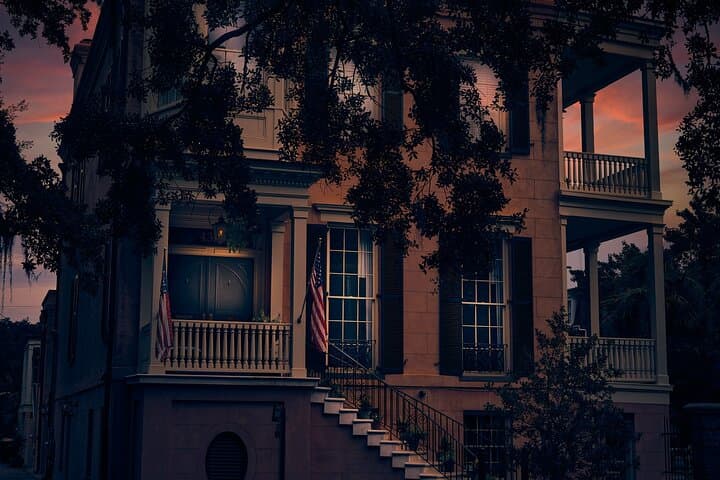
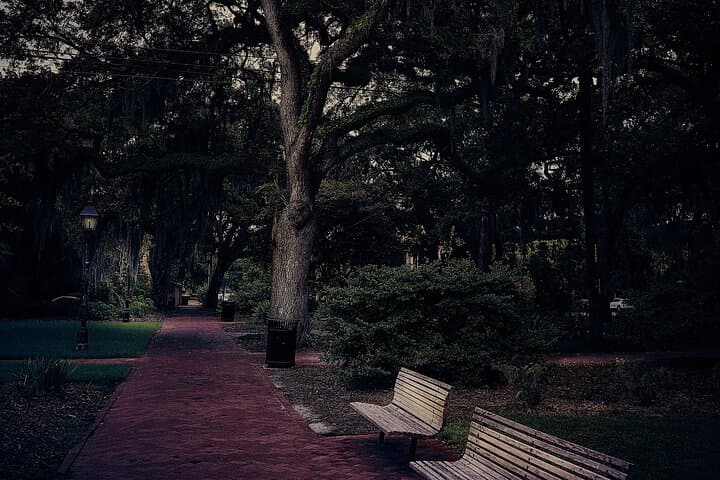
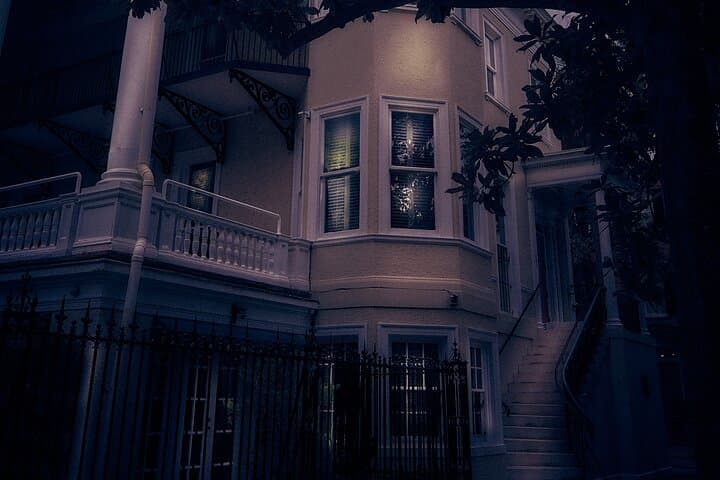
The steam of the Savannah River cools the evening as you step off the sidewalk at Abercorn and Jones, the city lights tracing the ironwork and live oaks above. A guide in a Sixth Sense badge folds a weathered map and begins to speak—voices of the past threaded through city blocks lined with brick townhouses, mansions, and small gravesites that press against the pavement.
Verified experiences and guided adventures in the surrounding area.
Operated by 6th Sense World · Savannah, Georgia
The steam of the Savannah River cools the evening as you step off the sidewalk at Abercorn and Jones, the city lights tracing the ironwork and live oaks above. A guide in a Sixth Sense badge folds a weathered map and begins to speak—voices of the past threaded through city blocks lined with brick townhouses, mansions, and small gravesites that press against the pavement.
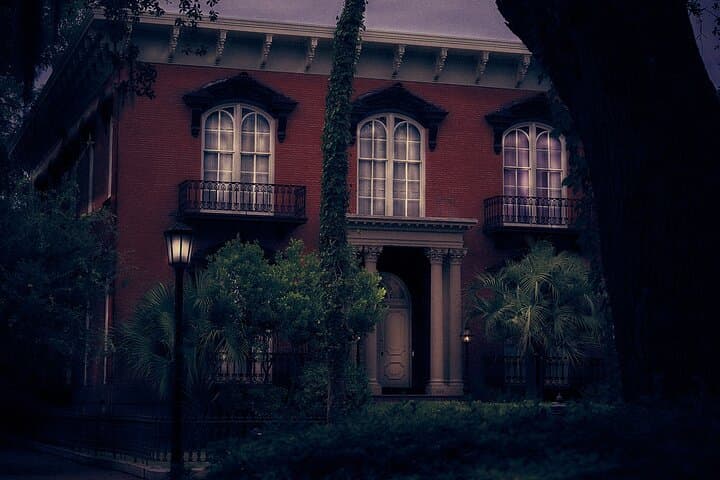
Savannah’s grid of planned squares dates to the 18th century, and much of the tour follows streets where antebellum prosperity, Civil War loss, and Prohibition-era scandals left visible marks. Buildings like the Corson Mansion and Old Candler Hospital are architectural chapters that the guide reads aloud with eyewitness legends—some documented, some local lore—while Spanish moss seems to listen.
Geology plays a quieter role: the city sits on coastal plain sediments, and the nearby Savannah River once shaped trade and the ghosts of shipboard stories. Cultural notes surface in anecdotes about Atlanta’s-era hospitals, early radiology pioneers, and the role of Savannah’s squares as communal space, both by day and in the stories that surface at night.
Practical guidance: tours are two hours, on paved city sidewalks with frequent stops; wear comfortable, closed-toe shoes and bring a lightweight layer and water. Tours operate in most weather but may be canceled for severe storms. Photography is allowed, but be respectful of private property and people taking the tour. Expect moderate walking over two hours, and plan for no public restrooms along the route—finish any stops beforehand. The walk is as much about listening to the city’s memory as it is about seeing it; bring curiosity and a charged phone for photos and navigation.
easy.
2 hours.
Basic walking fitness; participants should be comfortable standing and walking on city sidewalks for two hours.
Yes—the operator lists the route as wheelchair accessible; notify booking of accessibility needs so guides can assist with route considerations.
Yes—family-friendly options are available, and there are adult-only (16+) tours for a scarier experience.
Tours operate in most weather but may be canceled for severe storms; you can get a full refund if you cancel at least 24 hours before departure.
No—there are no restrooms along the route, so use facilities before the start at the meeting point.
Savannah was founded in 1733; its distinctive grid of public squares and well-preserved antebellum architecture provide the backdrop for many of the city’s recorded hauntings.
Respect historic properties and private yards—stay on sidewalks and support local preservation groups to minimize wear on fragile sites.
6th Sense World operates guided outdoor trips and adventures with an emphasis on safety, stewardship, and memorable experiences.
The steam of the Savannah River cools the evening as you step off the sidewalk at Abercorn and Jones, the city lights tracing the ironwork and live oaks above. A guide in a Sixth Sense badge folds a weathered map and begins to speak—voices of the past threaded through city blocks lined with brick townhouses, mansions, and small gravesites that press against the pavement.
The steam of the Savannah River cools the evening as you step off the sidewalk at Abercorn and Jones, the city lights tracing the ironwork and live oaks above. A guide in a Sixth Sense badge folds a weathered map and begins to speak—voices of the past threaded through city blocks lined with brick townhouses, mansions, and small gravesites that press against the pavement.
Savannah’s grid of planned squares dates to the 18th century, and much of the tour follows streets where antebellum prosperity, Civil War loss, and Prohibition-era scandals left visible marks. Buildings like the Corson Mansion and Old Candler Hospital are architectural chapters that the guide reads aloud with eyewitness legends—some documented, some local lore—while Spanish moss seems to listen.
Geology plays a quieter role: the city sits on coastal plain sediments, and the nearby Savannah River once shaped trade and the ghosts of shipboard stories. Cultural notes surface in anecdotes about Atlanta’s-era hospitals, early radiology pioneers, and the role of Savannah’s squares as communal space, both by day and in the stories that surface at night.
Practical guidance: tours are two hours, on paved city sidewalks with frequent stops; wear comfortable, closed-toe shoes and bring a lightweight layer and water. Tours operate in most weather but may be canceled for severe storms. Photography is allowed, but be respectful of private property and people taking the tour. Expect moderate walking over two hours, and plan for no public restrooms along the route—finish any stops beforehand. The walk is as much about listening to the city’s memory as it is about seeing it; bring curiosity and a charged phone for photos and navigation.