THE ADVENTURE COLLECTIVE® · Independent discovery and booking for outdoor travel

Spend a full day exploring six lesser-known temples around Kandy, from Anuradhapura-period cave shrines to Kandyan wood-carved sanctums, with a stop at a local tea garden. This practical day trip blends short walks, cultural context, and tea tasting across 8–10 hours.
Spend a full day exploring six lesser-known temples around Kandy, from Anuradhapura-period cave shrines to Kandyan wood-carved sanctums, with a stop at a local tea garden. This practical day trip blends short walks, cultural context, and tea tasting across 8–10 hours.
Mist clings to the tea slopes as an air-conditioned car threads narrow roads away from Kandy’s bustle. By midmorning you’re stopping at a cave temple carved into granite, then moving to a compact shrine room whose murals have held pigment for centuries. The day moves at a measured pace—short visits, stories from a local driver, and a pause at a small tea garden where steam and spice reframe the hill-country air.
Verified experiences and guided adventures in the surrounding area.
Operated by Lanka Excursions Holidays · Kandy, Central Province
Mist clings to the tea slopes as an air-conditioned car threads narrow roads away from Kandy’s bustle. By midmorning you’re stopping at a cave temple carved into granite, then moving to a compact shrine room whose murals have held pigment for centuries. The day moves at a measured pace—short visits, stories from a local driver, and a pause at a small tea garden where steam and spice reframe the hill-country air.
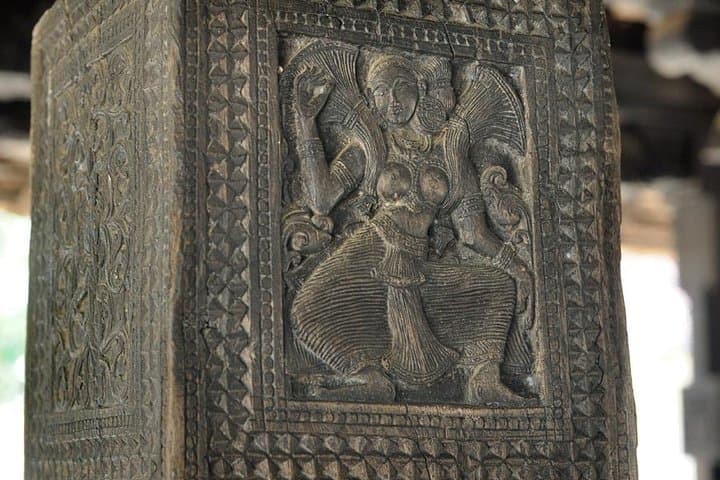
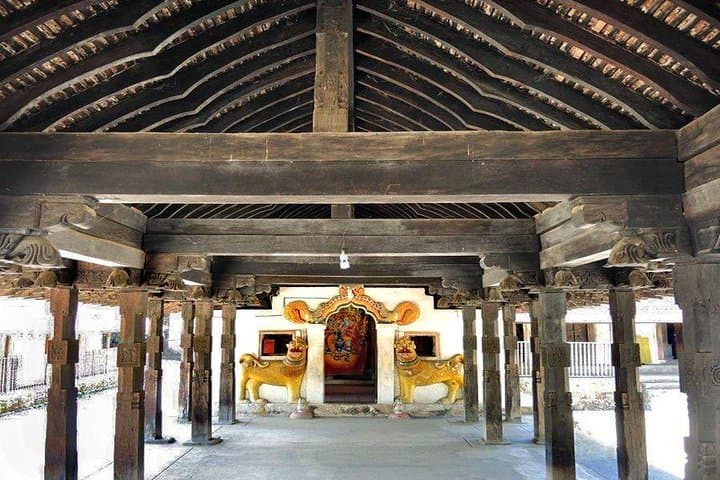
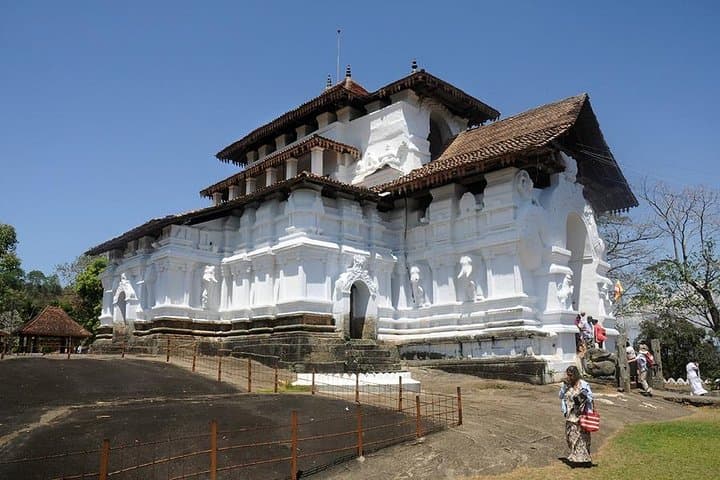
These six sites span periods: original Anuradhapura-era elements survive at Hindagala, classic Kandyan wood carving shines at Embekka Devalaya, and Gampola-era murals and shrine architecture reflect 14th-century shifts in polity and style. Geologically, the temples exploit the island’s Precambrian rock—caves and boulders used as natural foundations for wooden shrines, like Danthure’s raised sanctum on stone supports.
Culturally the route sketches the Kandyan kingdom’s rituals and local ayurvedic traditions; at Geragama you’ll see tea processing and sample regional blends. Expect modest walking—steps, uneven flagstones, and short climbs—rather than long hikes. Dress respectfully (shoulders and knees covered), bring small cash for temple donations and tea purchases, and plan for an 8–10 hour day.
Practical tips: start early to avoid midday heat and traffic; wear grippy shoes for stone steps; carry water and a compact rain layer in case monsoon showers arrive; and allow time at the tea house to learn about processing. This is a low-impact, culturally rich day trip that pairs architectural detail with the slow pleasures of Sri Lanka’s central hills.
easy.
8–10 hours.
Suitable for travelers of average fitness; involves short walks, steps and standing during site visits.
The tour runs approximately 8–10 hours depending on traffic and time spent at each temple.
Yes, but only short walks and some steps; the tour is classified as easy and suitable for most fitness levels.
Admissions are generally not included; small local fees or donations may be requested at specific temples.
Yes—the itinerary includes a Geragama tea garden and factory visit where you can taste and purchase local Kandyan tea.
The temple cluster reflects a span from Anuradhapura-era foundations to Kandyan- and Gampola-period redecoration, illustrating shifts in royal patronage and local devotional practice.
Keep offerings and litter with you until you find bins; many small temple sites rely on local caretakers and responsible visitation helps preserve fragile murals and wood carvings.
Lanka Excursions Holidays operates guided outdoor trips and adventures with an emphasis on safety, stewardship, and memorable experiences.
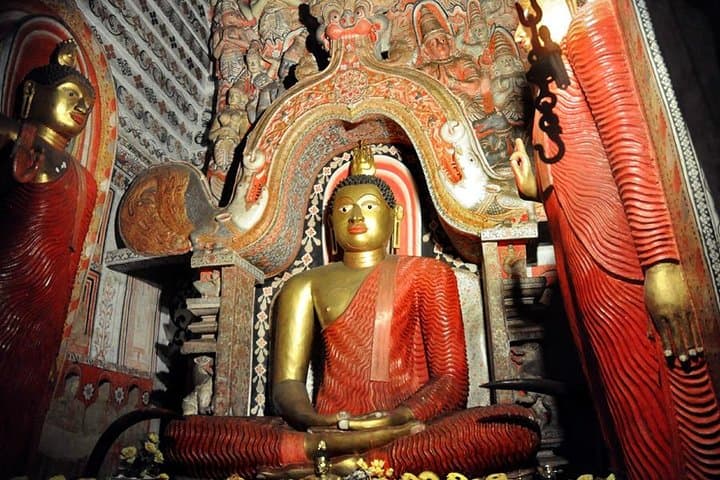
Mist clings to the tea slopes as an air-conditioned car threads narrow roads away from Kandy’s bustle. By midmorning you’re stopping at a cave temple carved into granite, then moving to a compact shrine room whose murals have held pigment for centuries. The day moves at a measured pace—short visits, stories from a local driver, and a pause at a small tea garden where steam and spice reframe the hill-country air.
Mist clings to the tea slopes as an air-conditioned car threads narrow roads away from Kandy’s bustle. By midmorning you’re stopping at a cave temple carved into granite, then moving to a compact shrine room whose murals have held pigment for centuries. The day moves at a measured pace—short visits, stories from a local driver, and a pause at a small tea garden where steam and spice reframe the hill-country air.
These six sites span periods: original Anuradhapura-era elements survive at Hindagala, classic Kandyan wood carving shines at Embekka Devalaya, and Gampola-era murals and shrine architecture reflect 14th-century shifts in polity and style. Geologically, the temples exploit the island’s Precambrian rock—caves and boulders used as natural foundations for wooden shrines, like Danthure’s raised sanctum on stone supports.
Culturally the route sketches the Kandyan kingdom’s rituals and local ayurvedic traditions; at Geragama you’ll see tea processing and sample regional blends. Expect modest walking—steps, uneven flagstones, and short climbs—rather than long hikes. Dress respectfully (shoulders and knees covered), bring small cash for temple donations and tea purchases, and plan for an 8–10 hour day.
Practical tips: start early to avoid midday heat and traffic; wear grippy shoes for stone steps; carry water and a compact rain layer in case monsoon showers arrive; and allow time at the tea house to learn about processing. This is a low-impact, culturally rich day trip that pairs architectural detail with the slow pleasures of Sri Lanka’s central hills.