THE ADVENTURE COLLECTIVE® · Independent discovery and booking for outdoor travel

This six-day itinerary links four of Mexico’s major 4000m volcanoes—Cofre de Perote, Sierra Negra, La Malinche and Nevado de Toluca—pairing high-altitude summits with cultural stops and guided acclimatization. Ideal for experienced hikers ready for continuous altitude and varied terrain.
This six-day itinerary links four of Mexico’s major 4000m volcanoes—Cofre de Perote, Sierra Negra, La Malinche and Nevado de Toluca—pairing high-altitude summits with cultural stops and guided acclimatization. Ideal for experienced hikers ready for continuous altitude and varied terrain.
You start before dawn on a high plain where the air is thin and the first light grazes volcanic rims. Pines crackle beneath boots as you climb through forests, reach windswept ridges and peer across crater bowls where glacial lakes sit like mirrors. Each summit opens into a different sky: Cofre de Perote’s rocky crest, Sierra Negra’s telescope plateau with Pico de Orizaba looming, Malinche’s forested slopes, and the crater lakes of Nevado de Toluca.
Verified experiences and guided adventures in the surrounding area.
Operated by México Travesías · Mexico City, CDMX
You start before dawn on a high plain where the air is thin and the first light grazes volcanic rims. Pines crackle beneath boots as you climb through forests, reach windswept ridges and peer across crater bowls where glacial lakes sit like mirrors. Each summit opens into a different sky: Cofre de Perote’s rocky crest, Sierra Negra’s telescope plateau with Pico de Orizaba looming, Malinche’s forested slopes, and the crater lakes of Nevado de Toluca.
These peaks are part of the Trans-Mexican Volcanic Belt, forged by tectonic collision and centuries of eruptions that shaped central Mexico’s valleys and cultures. Indigenous communities and colonial routes thread these mountains: Huamantla’s plazas and Malinche’s Nahua legends sit beside scientific outposts like Sierra Negra’s observatory.
Expect mixed terrain—well-trod forest tracks, rocky ridgelines and short steep scrambles—at elevations from 3,000 m approaches up to 4,680 m on Toluca. Guides emphasize acclimatization: the itinerary spaces climbs and adds lower-altitude hikes to reduce altitude stress.
Practical bits: move slowly on summit day, sip water regularly, and use layers for rapid temperature swings—sun and wind combine at high elevation. Footwear with firm ankle support and trekking poles greatly reduce fatigue on scree and crater rims. Plan for early starts, carry ID and cash for small mountain towns, and respect fragile alpine vegetation by staying on trail.
This tour pairs ambitious summits with cultural stops and hotel nights in Tlachichuca and Mexico City, making it a focused, doable route for fit hikers who want multiple 4000m peaks in one trip.
challenging.
6 days.
Good cardiovascular fitness and previous multi-day hiking experience at altitude; able to hike 5–8 hours on summit days.
No technical climbing is required for the listed routes; the tour provides helmets and harnesses if needed, but expect hiking, scrambling and steep trails rather than roped technical climbs.
There is a real risk above 3,500–4,000 m; the itinerary spaces climbs for acclimatization, but know symptoms and consult a physician if concerned—acetazolamide is sometimes recommended.
The tour includes multiple breakfasts and lunches, select dinners, hostel or cabin nights near volcano bases and hotels in Mexico City as specified in the itinerary.
Not recommended for children under 14, pregnant travelers, or people with significant cardiovascular or spinal conditions due to sustained altitude and physical demands.
The Trans-Mexican Volcanic Belt has shaped regional climates and civilizations; many peaks hold pre-Hispanic significance and served as landmarks for indigenous trade routes.
Alpine and crater ecosystems are fragile—stick to established trails, pack out waste, and avoid trampling high-altitude vegetation to reduce erosion and habitat loss.
México Travesías operates guided outdoor trips and adventures with an emphasis on safety, stewardship, and memorable experiences.
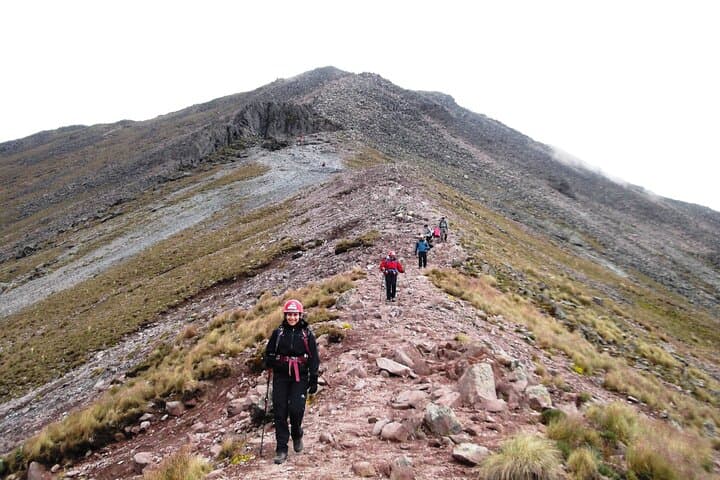
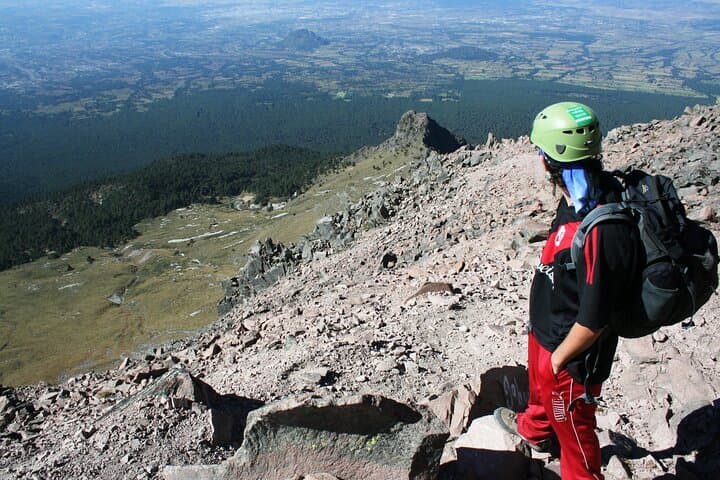
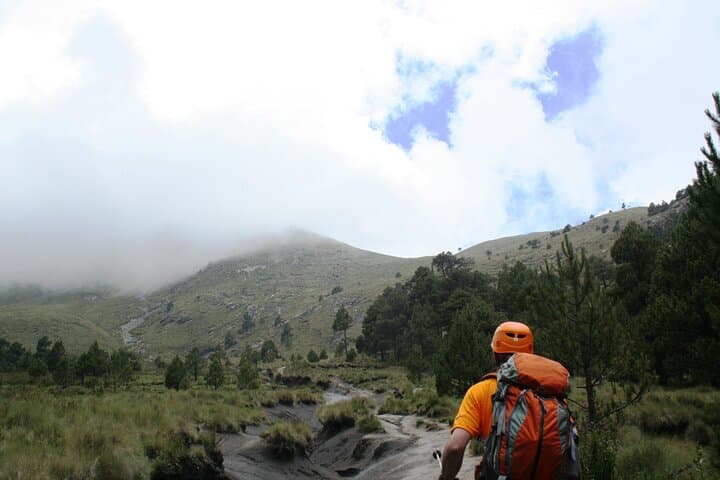
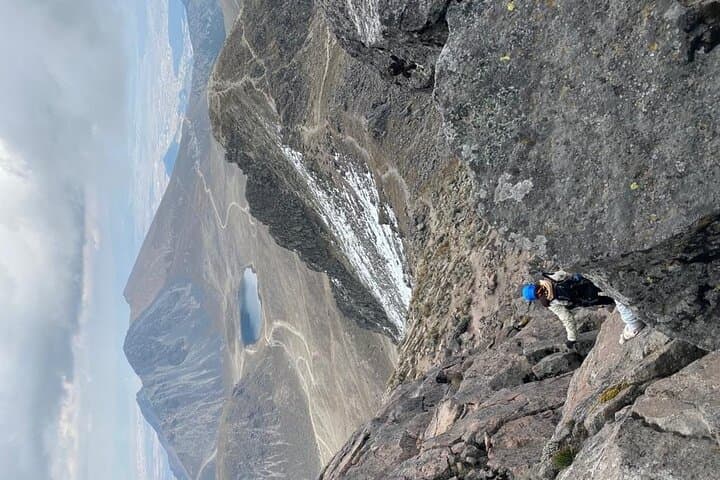
You start before dawn on a high plain where the air is thin and the first light grazes volcanic rims. Pines crackle beneath boots as you climb through forests, reach windswept ridges and peer across crater bowls where glacial lakes sit like mirrors. Each summit opens into a different sky: Cofre de Perote’s rocky crest, Sierra Negra’s telescope plateau with Pico de Orizaba looming, Malinche’s forested slopes, and the crater lakes of Nevado de Toluca.
You start before dawn on a high plain where the air is thin and the first light grazes volcanic rims. Pines crackle beneath boots as you climb through forests, reach windswept ridges and peer across crater bowls where glacial lakes sit like mirrors. Each summit opens into a different sky: Cofre de Perote’s rocky crest, Sierra Negra’s telescope plateau with Pico de Orizaba looming, Malinche’s forested slopes, and the crater lakes of Nevado de Toluca.
These peaks are part of the Trans-Mexican Volcanic Belt, forged by tectonic collision and centuries of eruptions that shaped central Mexico’s valleys and cultures. Indigenous communities and colonial routes thread these mountains: Huamantla’s plazas and Malinche’s Nahua legends sit beside scientific outposts like Sierra Negra’s observatory.
Expect mixed terrain—well-trod forest tracks, rocky ridgelines and short steep scrambles—at elevations from 3,000 m approaches up to 4,680 m on Toluca. Guides emphasize acclimatization: the itinerary spaces climbs and adds lower-altitude hikes to reduce altitude stress.
Practical bits: move slowly on summit day, sip water regularly, and use layers for rapid temperature swings—sun and wind combine at high elevation. Footwear with firm ankle support and trekking poles greatly reduce fatigue on scree and crater rims. Plan for early starts, carry ID and cash for small mountain towns, and respect fragile alpine vegetation by staying on trail.
This tour pairs ambitious summits with cultural stops and hotel nights in Tlachichuca and Mexico City, making it a focused, doable route for fit hikers who want multiple 4000m peaks in one trip.