THE ADVENTURE COLLECTIVE® · Independent discovery and booking for outdoor travel

Climb Kilimanjaro via the classic Marangu Route in six days—four days up, two down—moving from forested trails and Chagga farmland to wind-scoured alpine ridges. This practical guide explains what to expect, how to prepare, and why acclimatization matters.
Climb Kilimanjaro via the classic Marangu Route in six days—four days up, two down—moving from forested trails and Chagga farmland to wind-scoured alpine ridges. This practical guide explains what to expect, how to prepare, and why acclimatization matters.
You cross a shifting band of forest where vines tug at your sleeves and colobus monkeys watch from high branches. The trail opens to heather and moorland, and by the fourth day the summit crater looms: a hard, wind-scoured ridge that pushes you toward altitude and sky.
Verified experiences and guided adventures in the surrounding area.
Operated by Habari Adventure · Moshi, Kilimanjaro Region
You cross a shifting band of forest where vines tug at your sleeves and colobus monkeys watch from high branches. The trail opens to heather and moorland, and by the fourth day the summit crater looms: a hard, wind-scoured ridge that pushes you toward altitude and sky.
Marangu is Kilimanjaro’s oldest tourist route and the one with hut accommodations on the lower slopes. Geologically, Kilimanjaro is a stratovolcano built from successive eruptions of basalt and trachyte; the broad cone captures distinct ecological zones from montane forest to alpine desert and the icy summit that crowns East Africa.
Culturally, the climb threads through Chagga farmland and small villages where coffee terraces cling to steep slopes; porters and local guides bring not just packs but decades of mountain knowledge. Wildlife is concentrated in the forested lower sections—monkeys, bush hyrax and diverse birds—while higher zones are barren and wind-battered.
Practical guide: the six-day itinerary (four up, two down) favors acclimatization over speed, increasing summit success. Expect daily marches of 5–8 hours, significant elevation gain up to Uhuru Peak at ~5,895 m (19,341 ft), and basic hut or tent sleeping depending on itinerary. Altitude is the main hazard—hydration, steady pacing, and warm layers are essential.
Bring breathable layers for hiking and insulated gear for summit night; start hikes early to use firmer slopes and avoid afternoon storms. A knowledgeable guide and careful acclimatization are the difference between a tough trek and standing on Kilimanjaro’s roof.
challenging.
6 days (4 up, 2 down).
Good aerobic fitness and experience with long days of hiking; must tolerate sustained elevation gain.
You need solid cardiovascular fitness and experience with long days of uphill hiking; technical climbing skills aren’t required but stamina and strength for sustained elevation gain are.
Altitude sickness is the greatest risk—proper acclimatization, hydration, and listening to guides are key; weather and hypothermia are secondary concerns at high elevations.
Lower sections often have hut-style accommodations on Marangu, but some operators use tents; verify sleeping arrangements before booking.
Yes—Kilimanjaro requires a licensed guide; porters are commonly used to carry gear, support local livelihoods, and improve success rates.
Kilimanjaro’s first recorded ascent was in 1889; the mountain has long been significant to local Chagga communities and explorers alike.
Kilimanjaro National Park manages permits and fees to fund conservation; stick to trails and minimize pack weight to reduce pressure on porters and fragile alpine ecosystems.
Habari Adventure operates guided outdoor trips and adventures with an emphasis on safety, stewardship, and memorable experiences.
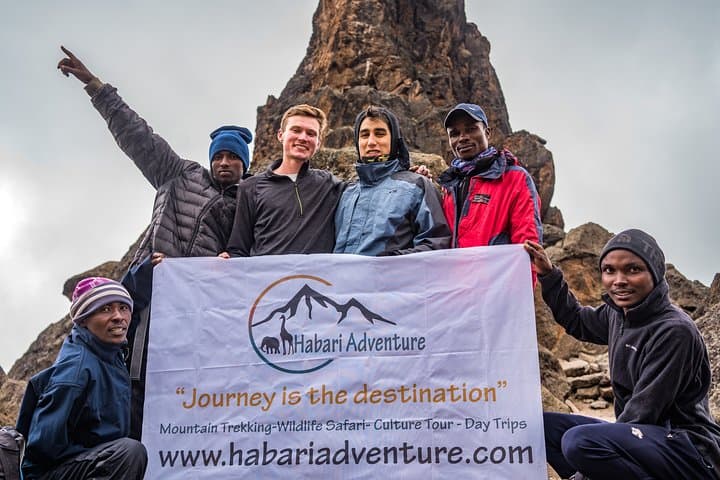
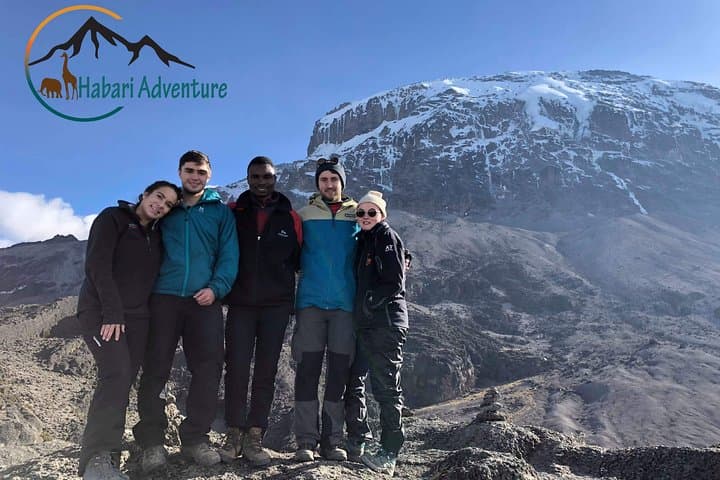
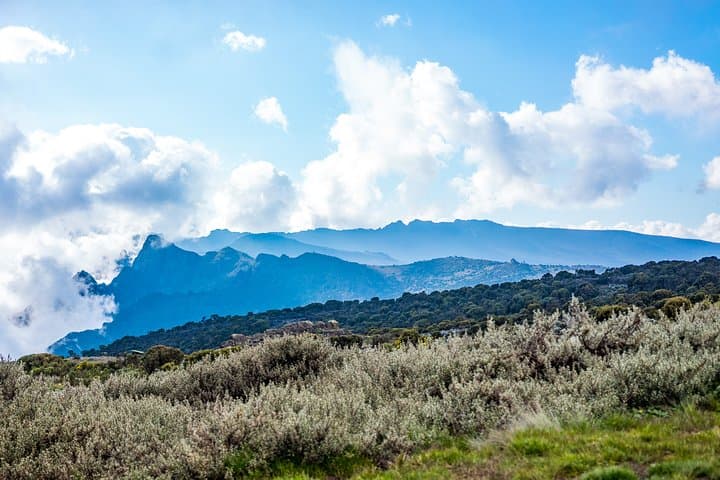
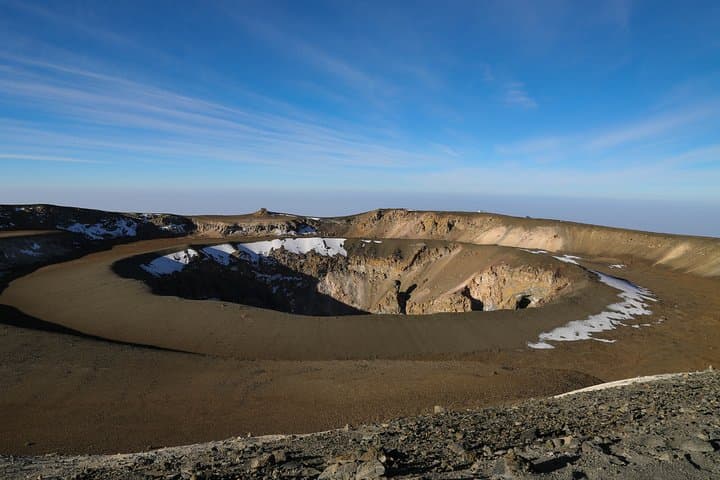
You cross a shifting band of forest where vines tug at your sleeves and colobus monkeys watch from high branches. The trail opens to heather and moorland, and by the fourth day the summit crater looms: a hard, wind-scoured ridge that pushes you toward altitude and sky.
You cross a shifting band of forest where vines tug at your sleeves and colobus monkeys watch from high branches. The trail opens to heather and moorland, and by the fourth day the summit crater looms: a hard, wind-scoured ridge that pushes you toward altitude and sky.
Marangu is Kilimanjaro’s oldest tourist route and the one with hut accommodations on the lower slopes. Geologically, Kilimanjaro is a stratovolcano built from successive eruptions of basalt and trachyte; the broad cone captures distinct ecological zones from montane forest to alpine desert and the icy summit that crowns East Africa.
Culturally, the climb threads through Chagga farmland and small villages where coffee terraces cling to steep slopes; porters and local guides bring not just packs but decades of mountain knowledge. Wildlife is concentrated in the forested lower sections—monkeys, bush hyrax and diverse birds—while higher zones are barren and wind-battered.
Practical guide: the six-day itinerary (four up, two down) favors acclimatization over speed, increasing summit success. Expect daily marches of 5–8 hours, significant elevation gain up to Uhuru Peak at ~5,895 m (19,341 ft), and basic hut or tent sleeping depending on itinerary. Altitude is the main hazard—hydration, steady pacing, and warm layers are essential.
Bring breathable layers for hiking and insulated gear for summit night; start hikes early to use firmer slopes and avoid afternoon storms. A knowledgeable guide and careful acclimatization are the difference between a tough trek and standing on Kilimanjaro’s roof.