THE ADVENTURE COLLECTIVE® · Independent discovery and booking for outdoor travel

Trace Ethiopia’s highlands to its river valleys on a six-day cultural safari that pairs Lalibela’s monolithic churches with Omo Valley tribes and Harar’s walled markets. Expect flights, long drives, boat wildlife viewing and intimate village visits.
Trace Ethiopia’s highlands to its river valleys on a six-day cultural safari that pairs Lalibela’s monolithic churches with Omo Valley tribes and Harar’s walled markets. Expect flights, long drives, boat wildlife viewing and intimate village visits.
Dawn over Lalibela arrives cool and dry; gulls wheel above fields while the first shafts of light find the deep-cut roofs of the rock-hewn churches. You step from the air-conditioned vehicle into a stone world carved from red tuff, and the scale of human labor and devotion hangs in the air.
Verified experiences and guided adventures in the surrounding area.
Operated by Guide to Addis · Lalibela, Amhara
Dawn over Lalibela arrives cool and dry; gulls wheel above fields while the first shafts of light find the deep-cut roofs of the rock-hewn churches. You step from the air-conditioned vehicle into a stone world carved from red tuff, and the scale of human labor and devotion hangs in the air.
This six-day route stitches together Ethiopia’s northern rock churches, the river-carved culture of the Omo Valley and the walled, spice-strewn alleys of Harar. Lalibela’s churches date to the 12th century under King Lalibela and remain active places of worship. Geologically, the churches are excavated from consolidated volcanic ash—soft enough to sculpt, hard enough to endure. In the south, the Omo River lowers and rises with the seasons, shaping life for Mursi, Hamer and Dassench communities whose body ornamentation, markets and terraced fields reflect ancient agrarian strategies; Konso’s stone terraces are a UNESCO-listed landscape. Harar’s 16th-century walls and markets recall long trade routes with Arabia and the Indian Ocean.
Practical guidance: expect multiple short flights and long road transfers; most days combine guided village walks, markets and a boat trip on Lake Chamo to see hippos and crocodiles. Carry local currency for market purchases, wear closed shoes on uneven rock, and allow extra time for cultural introductions and photography permissions. Hydrate on drives, layer for cool highland mornings, and plan for early starts to make flights and market rhythms. This tour favors travelers who want concentrated cultural immersion across vastly different Ethiopian landscapes.
easy.
6 days.
Suitable for most travelers who can handle multiple short walks, stairs in churches and long vehicle transfers.
Check your country’s travel advisories; Ethiopia typically requires a visa and recommended vaccinations include routine immunizations and malaria prophylaxis for some regions—consult a travel clinic.
Yes, but always ask permission, offer a small tip if photos are taken, and avoid commercial photography without prior agreement.
The tour is designed for general fitness with short walks and some stairs; long vehicle days require comfort with extended transfers rather than technical fitness.
Yes—accommodations and most breakfasts are included as per the itinerary; lodging ranges from hotels to lodges in rural areas.
Lalibela’s monolithic churches were carved in the 12th century under King Lalibela; Konso’s terraced fields are an enduring agrarian engineering system recognized by UNESCO, and Harar evolved as a major 16th-century Islamic trading center.
The Omo River basin faces pressures from irrigation and development—follow guides’ instructions to minimize footprint and avoid disturbing wildlife; support local economies by hiring registered guides and buying locally made crafts.
Guide to Addis operates guided outdoor trips and adventures with an emphasis on safety, stewardship, and memorable experiences.
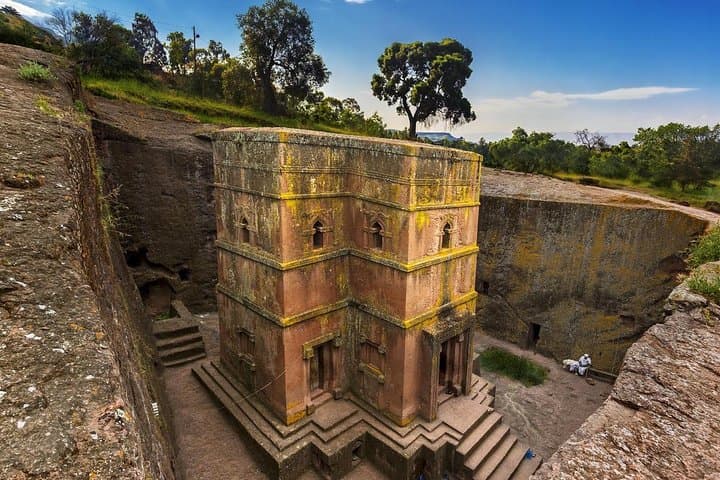
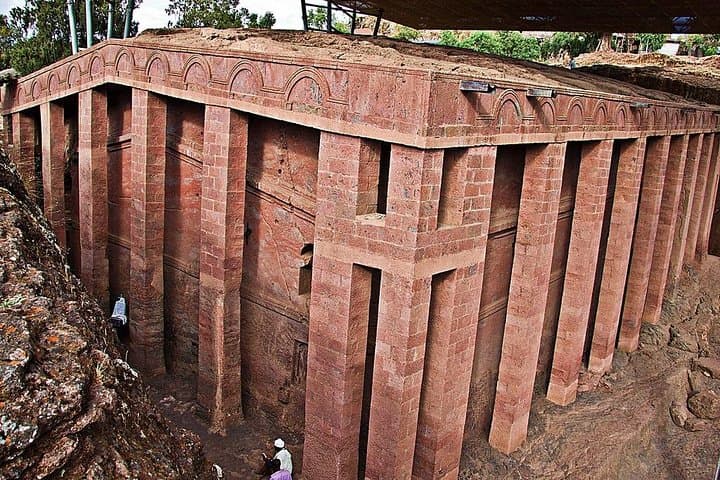


Dawn over Lalibela arrives cool and dry; gulls wheel above fields while the first shafts of light find the deep-cut roofs of the rock-hewn churches. You step from the air-conditioned vehicle into a stone world carved from red tuff, and the scale of human labor and devotion hangs in the air.
Dawn over Lalibela arrives cool and dry; gulls wheel above fields while the first shafts of light find the deep-cut roofs of the rock-hewn churches. You step from the air-conditioned vehicle into a stone world carved from red tuff, and the scale of human labor and devotion hangs in the air.
This six-day route stitches together Ethiopia’s northern rock churches, the river-carved culture of the Omo Valley and the walled, spice-strewn alleys of Harar. Lalibela’s churches date to the 12th century under King Lalibela and remain active places of worship. Geologically, the churches are excavated from consolidated volcanic ash—soft enough to sculpt, hard enough to endure. In the south, the Omo River lowers and rises with the seasons, shaping life for Mursi, Hamer and Dassench communities whose body ornamentation, markets and terraced fields reflect ancient agrarian strategies; Konso’s stone terraces are a UNESCO-listed landscape. Harar’s 16th-century walls and markets recall long trade routes with Arabia and the Indian Ocean.
Practical guidance: expect multiple short flights and long road transfers; most days combine guided village walks, markets and a boat trip on Lake Chamo to see hippos and crocodiles. Carry local currency for market purchases, wear closed shoes on uneven rock, and allow extra time for cultural introductions and photography permissions. Hydrate on drives, layer for cool highland mornings, and plan for early starts to make flights and market rhythms. This tour favors travelers who want concentrated cultural immersion across vastly different Ethiopian landscapes.