THE ADVENTURE COLLECTIVE® · Independent discovery and booking for outdoor travel

A six‑day loop through Udawalawe, Lunugamwehera and Yala that pairs early‑morning birding with late‑afternoon wildlife safaris. Expect elephants, wetland birds, and dry‑zone forests as your main attractions.
A six‑day loop through Udawalawe, Lunugamwehera and Yala that pairs early‑morning birding with late‑afternoon wildlife safaris. Expect elephants, wetland birds, and dry‑zone forests as your main attractions.
Dawn breaks over dry scrub and flooded tanks; a lone elephant lifts its trunk and the air fills with the metallic call of a jungle bird. This six‑day loop through Udawalawe, Lunugamwehera and Yala puts you at the edge of Sri Lanka’s dry zone—where wetlands dare you to slow down and forests push you toward the tracks.
Verified experiences and guided adventures in the surrounding area.
Operated by Lakpura LLC · Tissamaharama, Southern Province
Dawn breaks over dry scrub and flooded tanks; a lone elephant lifts its trunk and the air fills with the metallic call of a jungle bird. This six‑day loop through Udawalawe, Lunugamwehera and Yala puts you at the edge of Sri Lanka’s dry zone—where wetlands dare you to slow down and forests push you toward the tracks.
The route follows ancient routes of kings and modern wildlife corridors. Tissamaharama was once a regional capital; surrounding tanks and reservoirs are products of centuries‑old irrigation engineering that now double as bird habitats. Geologically the region is low coastal plain and rolling limestone outcrops, a terrain shaped by monsoon rhythms rather than elevation. Local villages keep coastal Tamil and Sinhalese traditions alive; breakfast may be rice and spicy sambol before an evening safari drive.
Expect a mix of habitats: flooded grasslands where jacanas step like living boats, scrub and dry forest where leopards shadow the shade, and open plains where elephants graze. Guides emphasize morning and late‑afternoon drives—heat makes wildlife shift and visibility changes with light.
Practicalities: the loop can be driven from Colombo in a long day (roughly 4–5 hours to Udawalawe); most days include 3–5 hour windowed safaris. Pack binoculars (8–10x), a telephoto lens if you photograph, sun protection, and insect repellent. Follow park rules, keep distance from elephants, and let the guide pick vantage points. With steady patience and respectful behavior, this itinerary rewards patient watchers with endemic species, dramatic mammal encounters, and quiet wetland mornings.
easy.
6 days.
Suitable for travelers in average physical condition—safaris involve short walks and long periods in vehicle.
The dry season (roughly February through July) generally gives the best road access and concentrated water sources, improving sighting rates; however wildlife can be seen year‑round.
This multi‑day package includes a private chauffeur‑guide and vehicle; confirm whether hotels and meals are included at booking as policies vary by operator.
Make sure routine vaccinations are up to date, use mosquito protection, and bring any personal medications; consult a travel clinic for region‑specific advice.
Maintain a respectful distance; follow your guide’s instructions—park rules prohibit exiting vehicles in many zones and approaching large mammals like elephants and leopards.
Tissamaharama was an early regional capital and the surrounding irrigation tanks reflect ancient hydraulic engineering that now support rich birdlife.
Tourism supports local conservation when operators follow park rules; visitors should avoid feeding wildlife and use designated roads to reduce disturbance.
Lakpura LLC operates guided outdoor trips and adventures with an emphasis on safety, stewardship, and memorable experiences.
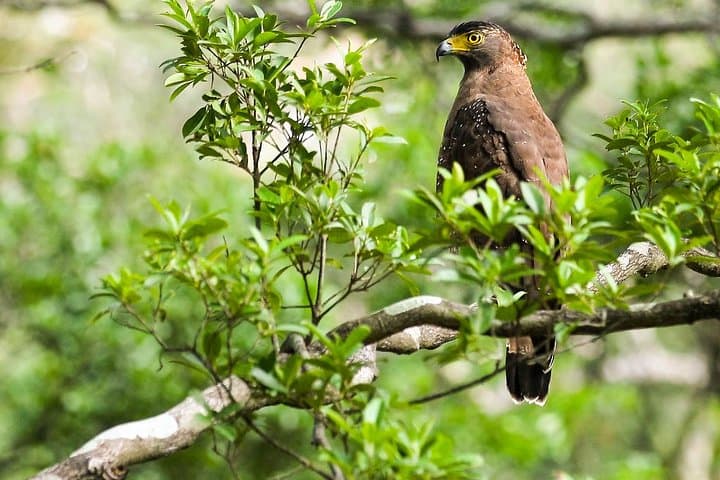
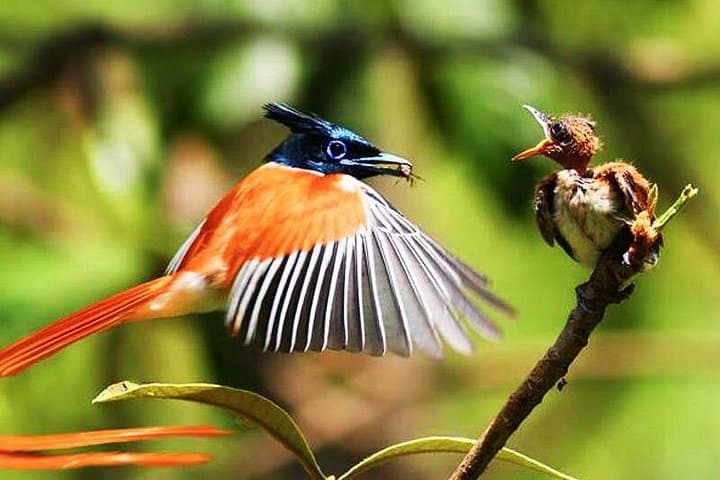
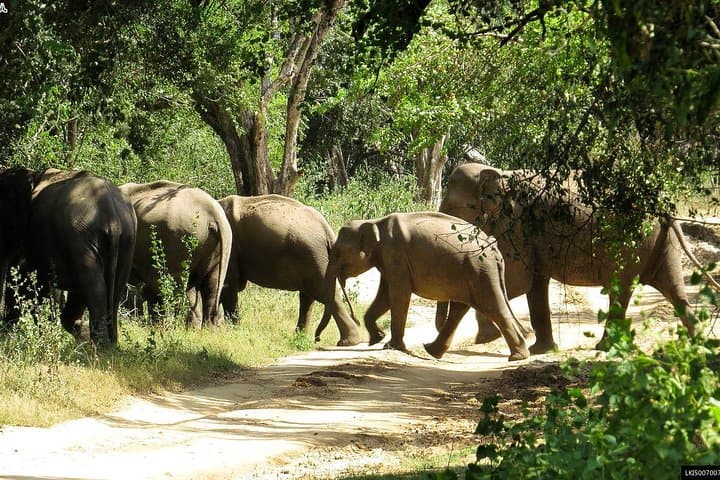
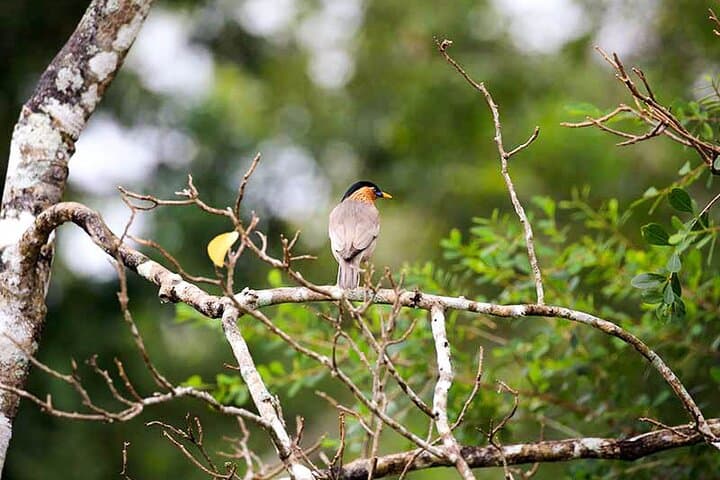
Dawn breaks over dry scrub and flooded tanks; a lone elephant lifts its trunk and the air fills with the metallic call of a jungle bird. This six‑day loop through Udawalawe, Lunugamwehera and Yala puts you at the edge of Sri Lanka’s dry zone—where wetlands dare you to slow down and forests push you toward the tracks.
Dawn breaks over dry scrub and flooded tanks; a lone elephant lifts its trunk and the air fills with the metallic call of a jungle bird. This six‑day loop through Udawalawe, Lunugamwehera and Yala puts you at the edge of Sri Lanka’s dry zone—where wetlands dare you to slow down and forests push you toward the tracks.
The route follows ancient routes of kings and modern wildlife corridors. Tissamaharama was once a regional capital; surrounding tanks and reservoirs are products of centuries‑old irrigation engineering that now double as bird habitats. Geologically the region is low coastal plain and rolling limestone outcrops, a terrain shaped by monsoon rhythms rather than elevation. Local villages keep coastal Tamil and Sinhalese traditions alive; breakfast may be rice and spicy sambol before an evening safari drive.
Expect a mix of habitats: flooded grasslands where jacanas step like living boats, scrub and dry forest where leopards shadow the shade, and open plains where elephants graze. Guides emphasize morning and late‑afternoon drives—heat makes wildlife shift and visibility changes with light.
Practicalities: the loop can be driven from Colombo in a long day (roughly 4–5 hours to Udawalawe); most days include 3–5 hour windowed safaris. Pack binoculars (8–10x), a telephoto lens if you photograph, sun protection, and insect repellent. Follow park rules, keep distance from elephants, and let the guide pick vantage points. With steady patience and respectful behavior, this itinerary rewards patient watchers with endemic species, dramatic mammal encounters, and quiet wetland mornings.