THE ADVENTURE COLLECTIVE® · Independent discovery and booking for outdoor travel

See Porto’s six bridges from the water on a relaxed two‑hour small-group cruise with white Port or a Port Tonic included. Learn bridge history, spot riverside cellars and time your sail for sunset views over the Douro estuary.
See Porto’s six bridges from the water on a relaxed two‑hour small-group cruise with white Port or a Port Tonic included. Learn bridge history, spot riverside cellars and time your sail for sunset views over the Douro estuary.
The boat slips from the quay and Porto reorients itself: tile-faced buildings lean toward the river, gulls wheel and the Douro dares you to slow your pace. From the deck of a classic, cushioned vessel the six bridges of Porto reveal successive chapters of engineering — metal arches, reinforced concrete spans and a 19th‑century railway arch attributed to Gustave Eiffel — while the estuary widens toward the Atlantic.
Verified experiences and guided adventures in the surrounding area.
Operated by Mar Douro · Porto, Porto
The boat slips from the quay and Porto reorients itself: tile-faced buildings lean toward the river, gulls wheel and the Douro dares you to slow your pace. From the deck of a classic, cushioned vessel the six bridges of Porto reveal successive chapters of engineering — metal arches, reinforced concrete spans and a 19th‑century railway arch attributed to Gustave Eiffel — while the estuary widens toward the Atlantic.
This short cruise threads history and geology. The river, carved through schist and granite, was the highway for Port wine barrels that built Vila Nova de Gaia’s cellars; the bridges mark industrial and civic ambitions from the 1870s through the 1960s. Guides point out Ribeira’s narrow streets and the old warehouses whose façades face the water, and where the Douro Estuary Nature Reserve near the Foz supports migratory birds.
Onboard, local white Port or a Port Tonic and bottled water keep the mood relaxed as the captain glides beneath Luís I and Arrábida bridges; the small-group format keeps the atmosphere intimate and easy to navigate.
Practical guidance: bring a wind layer and sunscreen, aim for the golden hour if you want the bridges lit in warm light, and sit forward for unobstructed views of the riverbank architecture. Families will find soft drinks and stroller access; anyone uneasy on water should assess seasickness remedies before boarding. The route is short, social, and ideal for a first encounter with Porto from the water.
easy.
2 hours.
Minimal physical exertion required; suitable for most fitness levels and families.
Yes — bottled water, soft drinks for non-drinkers and a choice of White Port or a Port Tonic (Extra Dry or Rosé) are included.
Yes — the tour is stroller-accessible and soft drinks are provided; infants must sit on an adult’s lap.
Most operators board along the Ribeira quays in central Porto; public transport and taxis serve the riverfront—arrive early to find your group easily.
The cruise is short and typically calm, but it’s not recommended for guests with severe anxiety about being on water; consider staying ashore or discussing concerns with the operator before booking.
The Douro was the artery for Port wine transport; warehouses on Vila Nova de Gaia grew into the cellars that defined Porto’s trade identity and the bridges chart the city’s industrial expansion from the 19th to 20th centuries.
The estuary is an important bird habitat—avoid feeding wildlife, dispose of waste properly, and choose small-group operators that limit wake and disturbance.
Mar Douro operates guided outdoor trips and adventures with an emphasis on safety, stewardship, and memorable experiences.
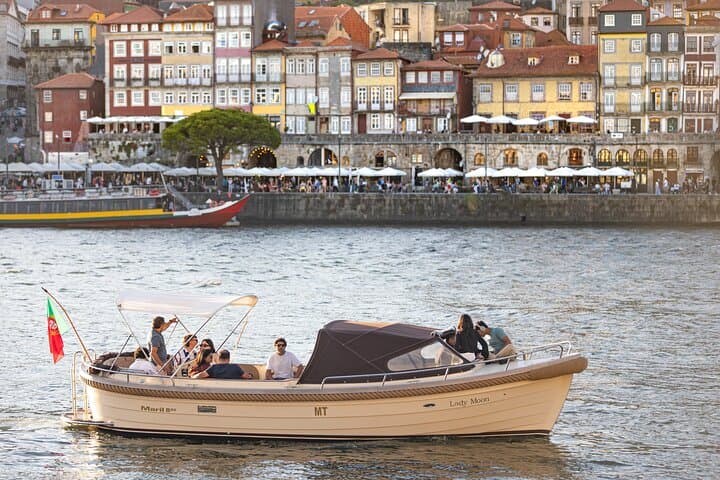
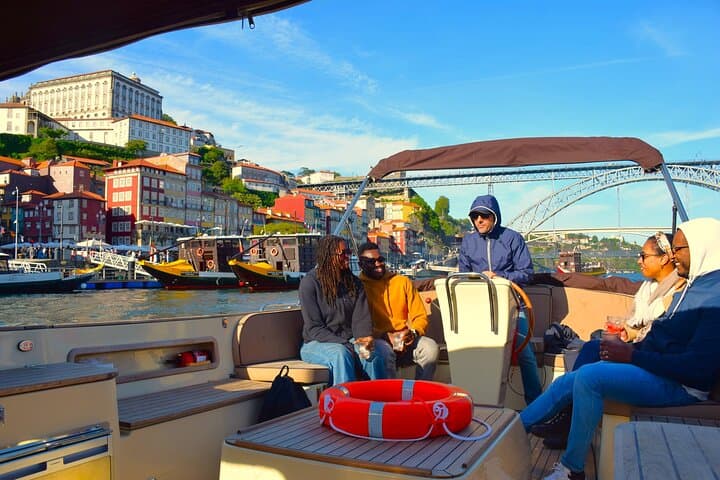
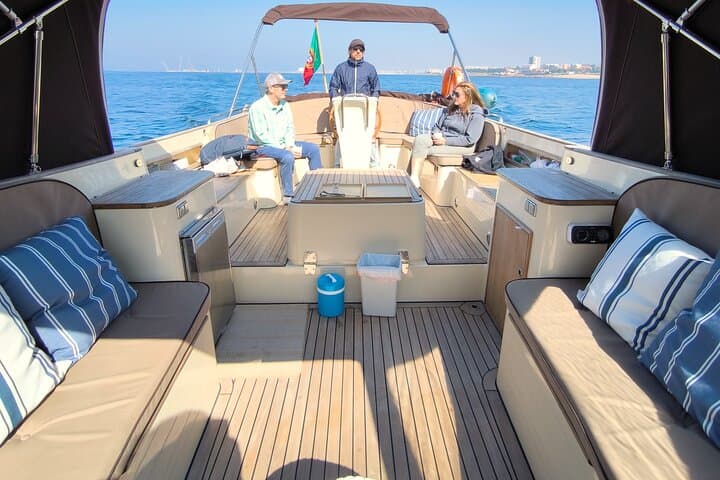
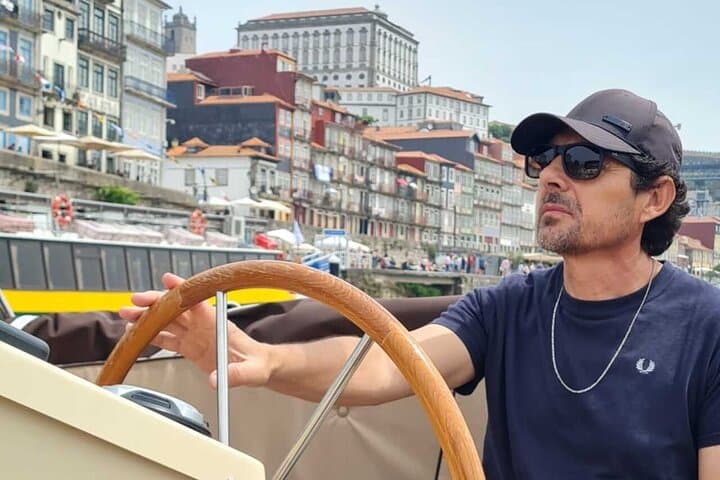
The boat slips from the quay and Porto reorients itself: tile-faced buildings lean toward the river, gulls wheel and the Douro dares you to slow your pace. From the deck of a classic, cushioned vessel the six bridges of Porto reveal successive chapters of engineering — metal arches, reinforced concrete spans and a 19th‑century railway arch attributed to Gustave Eiffel — while the estuary widens toward the Atlantic.
The boat slips from the quay and Porto reorients itself: tile-faced buildings lean toward the river, gulls wheel and the Douro dares you to slow your pace. From the deck of a classic, cushioned vessel the six bridges of Porto reveal successive chapters of engineering — metal arches, reinforced concrete spans and a 19th‑century railway arch attributed to Gustave Eiffel — while the estuary widens toward the Atlantic.
This short cruise threads history and geology. The river, carved through schist and granite, was the highway for Port wine barrels that built Vila Nova de Gaia’s cellars; the bridges mark industrial and civic ambitions from the 1870s through the 1960s. Guides point out Ribeira’s narrow streets and the old warehouses whose façades face the water, and where the Douro Estuary Nature Reserve near the Foz supports migratory birds.
Onboard, local white Port or a Port Tonic and bottled water keep the mood relaxed as the captain glides beneath Luís I and Arrábida bridges; the small-group format keeps the atmosphere intimate and easy to navigate.
Practical guidance: bring a wind layer and sunscreen, aim for the golden hour if you want the bridges lit in warm light, and sit forward for unobstructed views of the riverbank architecture. Families will find soft drinks and stroller access; anyone uneasy on water should assess seasickness remedies before boarding. The route is short, social, and ideal for a first encounter with Porto from the water.