THE ADVENTURE COLLECTIVE® · Independent discovery and booking for outdoor travel

Drive west from Cairo to Siwa Oasis and the White Desert for an up-close look at chalk sculptures, salt lakes, and dune fields. This short expedition blends camping under unbroken stars with cultural sites like the Temple of the Oracle.
Drive west from Cairo to Siwa Oasis and the White Desert for an up-close look at chalk sculptures, salt lakes, and dune fields. This short expedition blends camping under unbroken stars with cultural sites like the Temple of the Oracle.
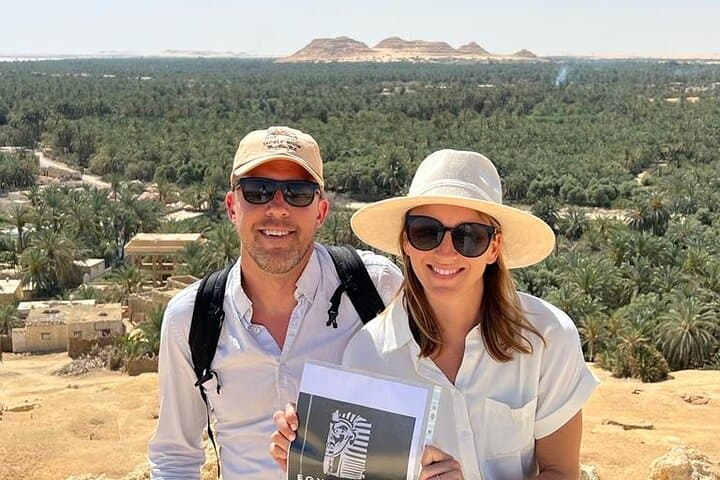
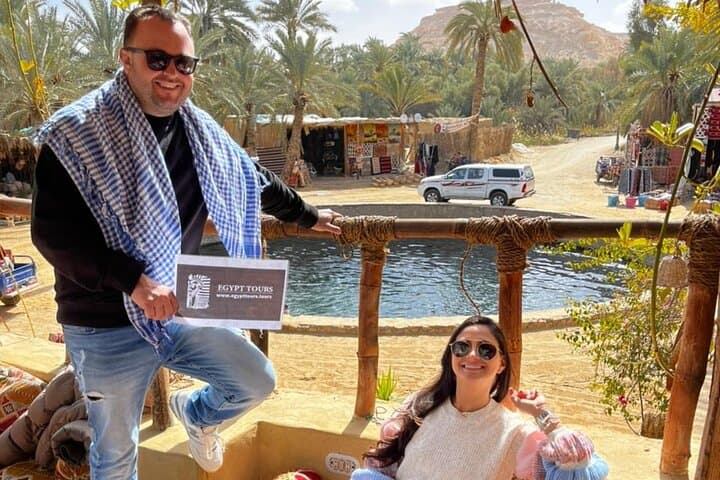
Before dawn you leave Cairo, the city lights shrinking to a smear as the highway pushes west. By mid-morning the road gives up asphalt for ochre horizons; palm-fringed Siwa appears like an unexpected pocket of life, its old mud-brick Shali rising above palms. The White Desert answers differently — chalk mushroom formations stand like weather-carved sculptures under a sky that seems to go on forever.
Verified experiences and guided adventures in the surrounding area.
Operated by Egypt Tours Travel · Siwa, Matrouh Governorate
Before dawn you leave Cairo, the city lights shrinking to a smear as the highway pushes west. By mid-morning the road gives up asphalt for ochre horizons; palm-fringed Siwa appears like an unexpected pocket of life, its old mud-brick Shali rising above palms. The White Desert answers differently — chalk mushroom formations stand like weather-carved sculptures under a sky that seems to go on forever.
The landscape here is geological theater: wind and sand have sanded chalk and limestone into hoodoos and fins over millennia. Siwa’s culture layers the view — an independent Berber-speaking oasis with the ruined Temple of the Oracle where Alexander the Great once sought counsel. Nearby salt lakes and the Fossilized Forest reveal ancient climates; dunes in the Great Sand Sea push and roll, daring you to climb for a new vantage.
Expect long drives (roughly 7–8 hours each way from Cairo) and a mix of terrain — packed desert tracks, soft sand that will test traction, and dune slopes that can rise tens of meters. Nights are cool and clear; camping under the stars is part of the point. Practicalities: pace your day around sun and heat, carry ample water, and plan for early starts and late sunsets. Guides handle logistics and permits; bring layered clothing for temperature swings, sturdy footwear for uneven surfaces, and respect sensitive sites by staying on established routes.
This trip is equal parts geological spectacle, cultural encounter, and low-key adventure — ideal for travelers who like long drives, desert silence, and camping with practical comforts.
moderate.
4 days.
Suitable for travelers who can handle multiple hours in a vehicle, short hikes on uneven ground, and climbing sand dunes.
Expect roughly 7–8 hours each way by air-conditioned vehicle; travel time varies with stops and road conditions.
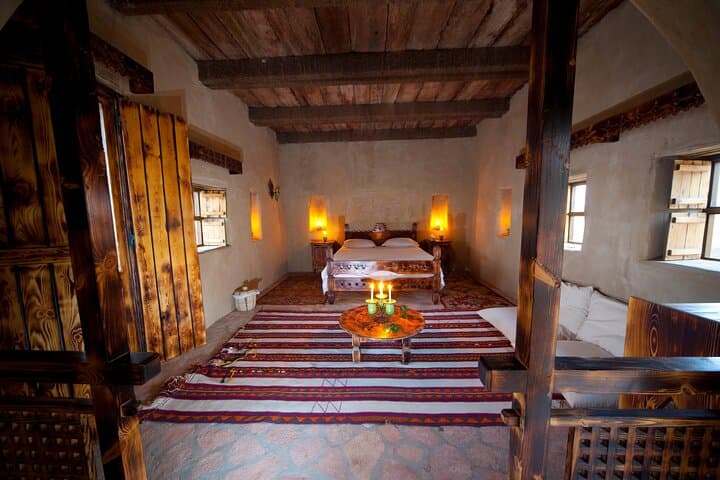
Most tours include a desert camp with basic sleeping arrangements; facilities are typically simple and may include communal dining and portable toilets.
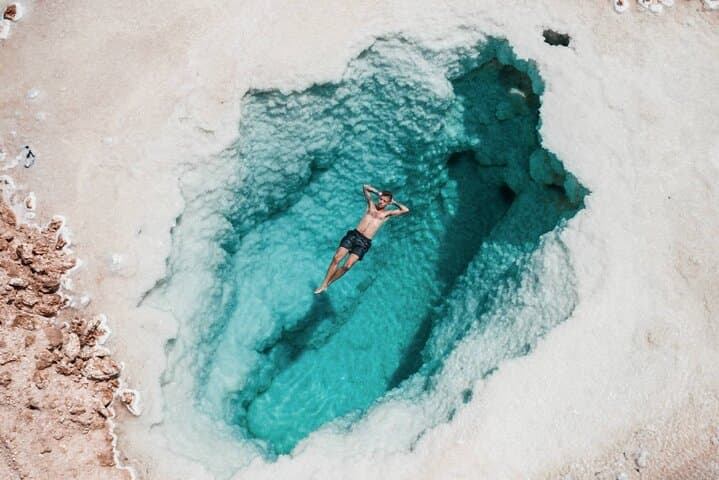
Yes — natural spring pools like Cleopatra’s Bath and Bir Wahed are safe for swimming, though conditions vary seasonally and water levels change.
Yes — Siwa is culturally conservative; dress modestly in the town, ask before photographing people, and follow your guide’s advice when visiting sacred sites.
Siwa has been a crossroads for Egyptian, Greek, and Berber cultures; its Oracle of Amun attracted Alexander the Great and contributed to the oasis’s ancient significance.
The desert is ecologically fragile — limit vehicle tracks to established routes, pack out waste, and minimize water use to protect scarce resources.
Egypt Tours Travel operates guided outdoor trips and adventures with an emphasis on safety, stewardship, and memorable experiences.
Before dawn you leave Cairo, the city lights shrinking to a smear as the highway pushes west. By mid-morning the road gives up asphalt for ochre horizons; palm-fringed Siwa appears like an unexpected pocket of life, its old mud-brick Shali rising above palms. The White Desert answers differently — chalk mushroom formations stand like weather-carved sculptures under a sky that seems to go on forever.
Before dawn you leave Cairo, the city lights shrinking to a smear as the highway pushes west. By mid-morning the road gives up asphalt for ochre horizons; palm-fringed Siwa appears like an unexpected pocket of life, its old mud-brick Shali rising above palms. The White Desert answers differently — chalk mushroom formations stand like weather-carved sculptures under a sky that seems to go on forever.
The landscape here is geological theater: wind and sand have sanded chalk and limestone into hoodoos and fins over millennia. Siwa’s culture layers the view — an independent Berber-speaking oasis with the ruined Temple of the Oracle where Alexander the Great once sought counsel. Nearby salt lakes and the Fossilized Forest reveal ancient climates; dunes in the Great Sand Sea push and roll, daring you to climb for a new vantage.
Expect long drives (roughly 7–8 hours each way from Cairo) and a mix of terrain — packed desert tracks, soft sand that will test traction, and dune slopes that can rise tens of meters. Nights are cool and clear; camping under the stars is part of the point. Practicalities: pace your day around sun and heat, carry ample water, and plan for early starts and late sunsets. Guides handle logistics and permits; bring layered clothing for temperature swings, sturdy footwear for uneven surfaces, and respect sensitive sites by staying on established routes.
This trip is equal parts geological spectacle, cultural encounter, and low-key adventure — ideal for travelers who like long drives, desert silence, and camping with practical comforts.