THE ADVENTURE COLLECTIVE® · Independent discovery and booking for outdoor travel

A private five‑day route from Cairo into the isolated Siwa Oasis: see Shali, the Temple of the Oracle tied to Alexander the Great, fossilized reefs in the dunes, and swim in desert springs. Expect long drives, easy guided walks, and nights in Siwa hotels.
A private five‑day route from Cairo into the isolated Siwa Oasis: see Shali, the Temple of the Oracle tied to Alexander the Great, fossilized reefs in the dunes, and swim in desert springs. Expect long drives, easy guided walks, and nights in Siwa hotels.
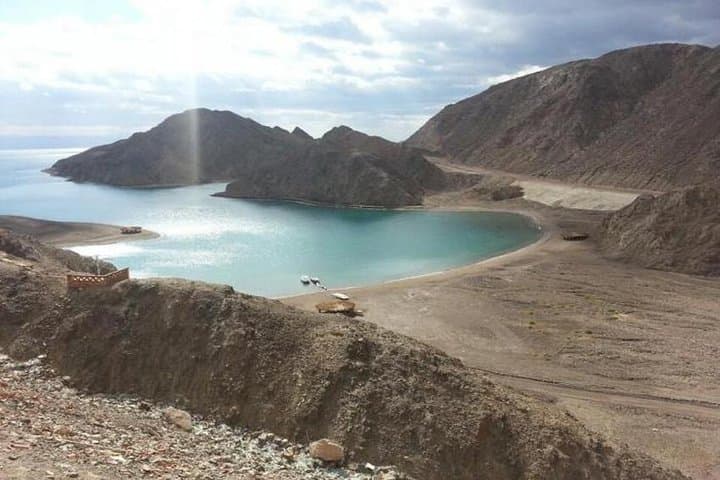
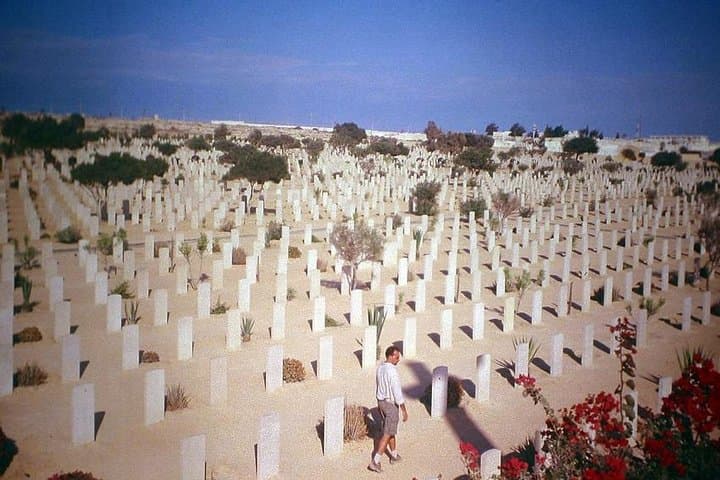
Dust lifts as the van leaves Cairo behind and the Nile's green ribbon thins to ochre. By midday the road slides past Al Alamein’s war cemeteries and the Mediterranean at Marsa Matrouh; by evening the palm-fringed mirage of Siwa appears — a pocket of water and human life in the Great Sand Sea.
Verified experiences and guided adventures in the surrounding area.
Operated by Let`s Explore Egypt · Siwa, Matrouh Governorate
Dust lifts as the van leaves Cairo behind and the Nile's green ribbon thins to ochre. By midday the road slides past Al Alamein’s war cemeteries and the Mediterranean at Marsa Matrouh; by evening the palm-fringed mirage of Siwa appears — a pocket of water and human life in the Great Sand Sea.
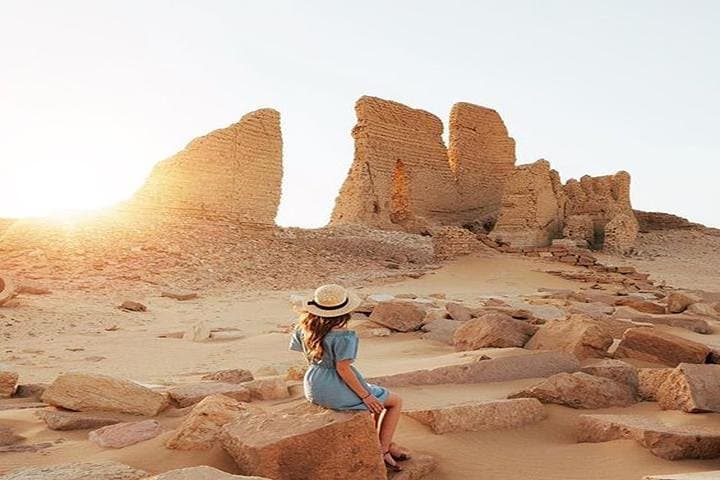
Siwa’s compact old town, Shali, is a rammed‑earth maze built in the 13th century and weathered by salt winds. Nearby, the Temple of the Oracle at Aghurmi marks the spot tied to Alexander the Great and the cult of Amun; its stone carries Pharaonic echoes. Geologically, the region sits on uplifted Pleistocene seabeds — fossilized coral and Cambrian-era rocky reefs surface in the dunes, proof the desert once hosted a sea.
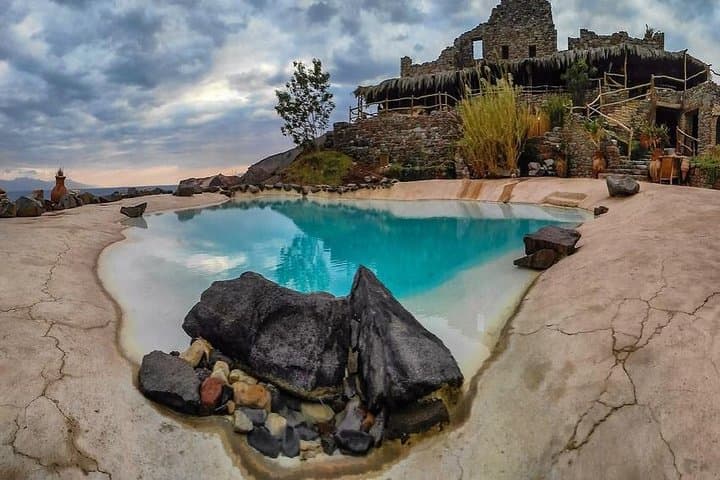
Local Siwan culture mixes Berber‑like traditions and Bedouin rhythms; spring water eyes such as Ein Guba and Bir Wahid still structure daily life. Wildlife is sparse but charismatic: migrating flamingos visit seasonal lakes and sand foxes slip past at dusk.
Practical essentials: the tour is private and runs five days with hotel nights in Siwa, so expect long drives (roughly 8–10 hours each way) and short guided walks to sites like the Mountain of the Dead and Roman springs. Pack sun protection, layered clothing for cool nights, sturdy shoes for rocky or sandy terrain, and a reusable water bottle. Plan for modest dress at cultural sites and bring cash for small purchases in Siwa.
This itinerary balances history, desert geology, and restorative springs — a measured desert exploration for travelers who want depth without technical travel demands.
moderate.
5 days.
Suitable for travelers in average fitness — activities are low impact but include short walks on sand and uneven stone paths.
Expect roughly 8–10 hours of driving depending on stops; the itinerary includes visits to Al Alamein and Marsa Matrouh en route.
The tour description lists admissions as not included — confirm specific entry costs with the operator before travel.
Yes. The operator indicates the tour is suitable for all fitness levels, though some sites have uneven surfaces and short climbs.
Egyptian pounds (EGP) are used; Siwa has ATMs but they can be unreliable — bring some cash. Basic shops and restaurants are available in town.
Siwa has been a crossroads since pharaonic times — the Oracle of Amun attracted pilgrims including Alexander the Great, and the region later sat along caravan and Roman routes.
Siwa’s springs are finite; travelers should minimize water waste and avoid disturbing fragile fossil beds and archaeological sites.
Let`s Explore Egypt operates guided outdoor trips and adventures with an emphasis on safety, stewardship, and memorable experiences.
Dust lifts as the van leaves Cairo behind and the Nile's green ribbon thins to ochre. By midday the road slides past Al Alamein’s war cemeteries and the Mediterranean at Marsa Matrouh; by evening the palm-fringed mirage of Siwa appears — a pocket of water and human life in the Great Sand Sea.
Dust lifts as the van leaves Cairo behind and the Nile's green ribbon thins to ochre. By midday the road slides past Al Alamein’s war cemeteries and the Mediterranean at Marsa Matrouh; by evening the palm-fringed mirage of Siwa appears — a pocket of water and human life in the Great Sand Sea.
Siwa’s compact old town, Shali, is a rammed‑earth maze built in the 13th century and weathered by salt winds. Nearby, the Temple of the Oracle at Aghurmi marks the spot tied to Alexander the Great and the cult of Amun; its stone carries Pharaonic echoes. Geologically, the region sits on uplifted Pleistocene seabeds — fossilized coral and Cambrian-era rocky reefs surface in the dunes, proof the desert once hosted a sea.
Local Siwan culture mixes Berber‑like traditions and Bedouin rhythms; spring water eyes such as Ein Guba and Bir Wahid still structure daily life. Wildlife is sparse but charismatic: migrating flamingos visit seasonal lakes and sand foxes slip past at dusk.
Practical essentials: the tour is private and runs five days with hotel nights in Siwa, so expect long drives (roughly 8–10 hours each way) and short guided walks to sites like the Mountain of the Dead and Roman springs. Pack sun protection, layered clothing for cool nights, sturdy shoes for rocky or sandy terrain, and a reusable water bottle. Plan for modest dress at cultural sites and bring cash for small purchases in Siwa.
This itinerary balances history, desert geology, and restorative springs — a measured desert exploration for travelers who want depth without technical travel demands.