THE ADVENTURE COLLECTIVE® · Independent discovery and booking for outdoor travel

A 3-day private safari from Cairo to Siwa Oasis combines long desert drives with salt-lake swims, ancient temples and sandboarding under open skies. This guide covers what to expect, practical tips and regional context to plan your trip.
A 3-day private safari from Cairo to Siwa Oasis combines long desert drives with salt-lake swims, ancient temples and sandboarding under open skies. This guide covers what to expect, practical tips and regional context to plan your trip.
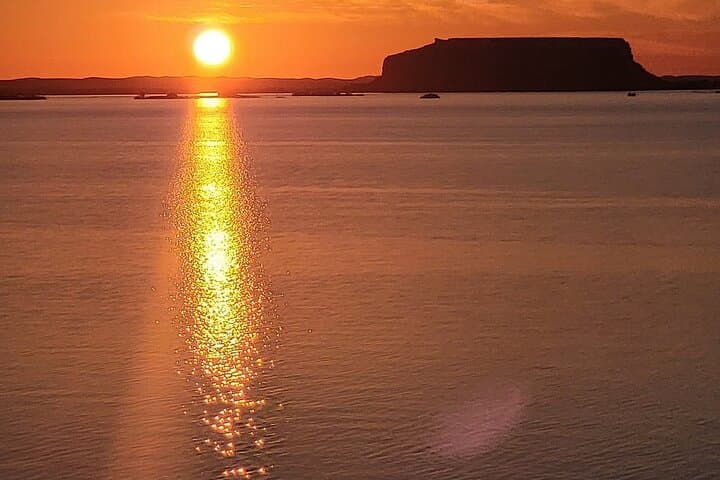
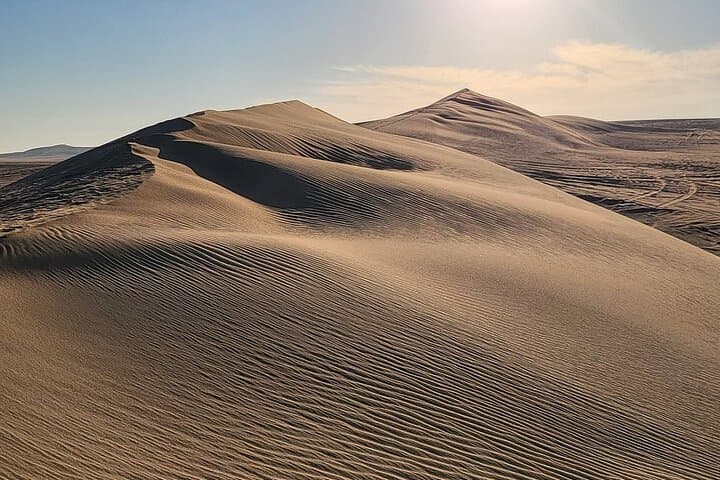
A predawn pickup in Cairo and a long highway unfurling west: by late afternoon the desert begins to change tone — ochre dunes give way to the greener pockets of Siwa. You arrive as the light softens over salt flats and palm groves, the sky wide and sharp. The first night you fall asleep to a wind that moves the dunes like a slow organism; on day two you stand where the ancients once consulted the Oracle of Amun.
Verified experiences and guided adventures in the surrounding area.
Operated by Etro tours · Siwa Oasis, Matrouh Governorate
A predawn pickup in Cairo and a long highway unfurling west: by late afternoon the desert begins to change tone — ochre dunes give way to the greener pockets of Siwa. You arrive as the light softens over salt flats and palm groves, the sky wide and sharp. The first night you fall asleep to a wind that moves the dunes like a slow organism; on day two you stand where the ancients once consulted the Oracle of Amun.
Siwa sits in the Western Desert on a limestone plateau pierced by freshwater springs. Its formations are geological records of ancient seas, and the local Berber-speaking Siwan culture still maintains customs and crafts distinct from Nile communities. The Temple of the Oracle (Aghurmi) and the Mountain of the Dead are reminders that Siwa was a crossroads of faith and desert trade.
Expect a mix of easy walking, short climbs to lookout points, swims in saline lakes, and a few adrenaline bursts on sandboards. Travel is by private vehicle with long driving days (about 8–10 hours total each way if direct) broken with stops in Mersa Matruh. Accommodations are simple hotels and optional desert camping under clear, near-starless skies.
Practical edge: bring sun protection, reusable water, and a light wind layer for evenings. Cash is useful in Siwa; ATMs are limited. Respect local customs: modest dress in villages and ask before photographing people. If dune bashing or sandboarding, listen to guides and secure loose items — the desert moves you if you’re not anchored.
easy.
3 days.
Suitable for travelers of most fitness levels; should be comfortable with short hikes, climbing a few rocky steps, and long vehicle rides.
The drive is roughly 8–10 hours depending on stops; this tour schedules breaks at Mersa Matruh and scenic points en route.
Yes — the itinerary is rated easy with minimal strenuous activity, but expect long vehicle time; bring motion-sickness precautions if needed.
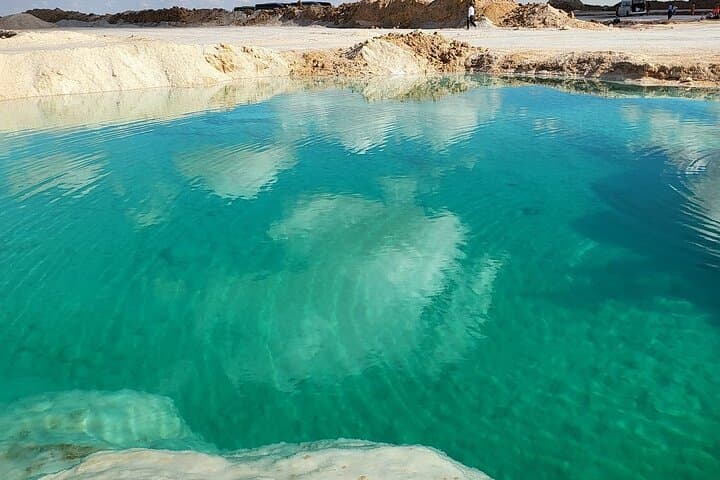
Yes — visitors commonly swim in the salt lakes and Cleopatra’s Pool (Juba spring); water is salty or mineral-rich, so rinse afterward if possible.
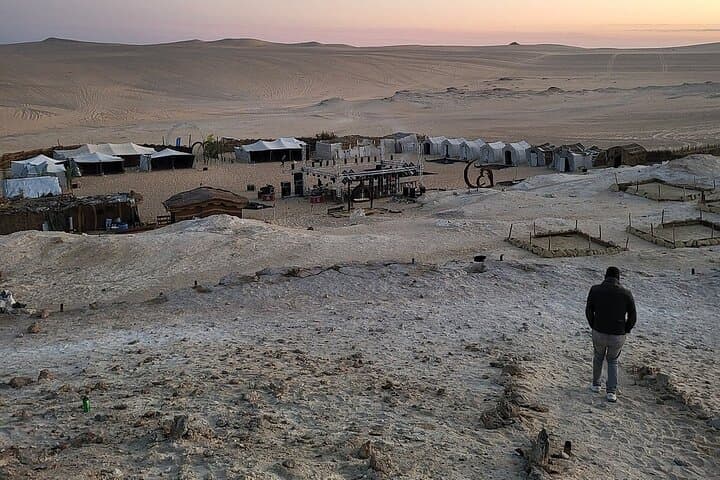
Hotels in Siwa are basic to mid-range; the tour may include a night of desert camping, which is simple but equipped for comfort and provided with bedding.
Siwa’s oasis was an ancient pilgrimage site and oracle center; Alexander the Great is said to have visited the Oracle of Amun here in antiquity.
Freshwater springs are fragile — use water sparingly and avoid soaps in natural pools; support local guides who practice low-impact tourism.
Etro tours operates guided outdoor trips and adventures with an emphasis on safety, stewardship, and memorable experiences.
A predawn pickup in Cairo and a long highway unfurling west: by late afternoon the desert begins to change tone — ochre dunes give way to the greener pockets of Siwa. You arrive as the light softens over salt flats and palm groves, the sky wide and sharp. The first night you fall asleep to a wind that moves the dunes like a slow organism; on day two you stand where the ancients once consulted the Oracle of Amun.
A predawn pickup in Cairo and a long highway unfurling west: by late afternoon the desert begins to change tone — ochre dunes give way to the greener pockets of Siwa. You arrive as the light softens over salt flats and palm groves, the sky wide and sharp. The first night you fall asleep to a wind that moves the dunes like a slow organism; on day two you stand where the ancients once consulted the Oracle of Amun.
Siwa sits in the Western Desert on a limestone plateau pierced by freshwater springs. Its formations are geological records of ancient seas, and the local Berber-speaking Siwan culture still maintains customs and crafts distinct from Nile communities. The Temple of the Oracle (Aghurmi) and the Mountain of the Dead are reminders that Siwa was a crossroads of faith and desert trade.
Expect a mix of easy walking, short climbs to lookout points, swims in saline lakes, and a few adrenaline bursts on sandboards. Travel is by private vehicle with long driving days (about 8–10 hours total each way if direct) broken with stops in Mersa Matruh. Accommodations are simple hotels and optional desert camping under clear, near-starless skies.
Practical edge: bring sun protection, reusable water, and a light wind layer for evenings. Cash is useful in Siwa; ATMs are limited. Respect local customs: modest dress in villages and ask before photographing people. If dune bashing or sandboarding, listen to guides and secure loose items — the desert moves you if you’re not anchored.