THE ADVENTURE COLLECTIVE® · Independent discovery and booking for outdoor travel

Escape Cairo for a privately guided four-day expedition into Siwa Oasis: palm groves, hyper-saline lakes, ancient temples and dune seas. This tour blends history, geology and local culture with practical on-the-ground logistics for first-time desert travelers.
Escape Cairo for a privately guided four-day expedition into Siwa Oasis: palm groves, hyper-saline lakes, ancient temples and dune seas. This tour blends history, geology and local culture with practical on-the-ground logistics for first-time desert travelers.
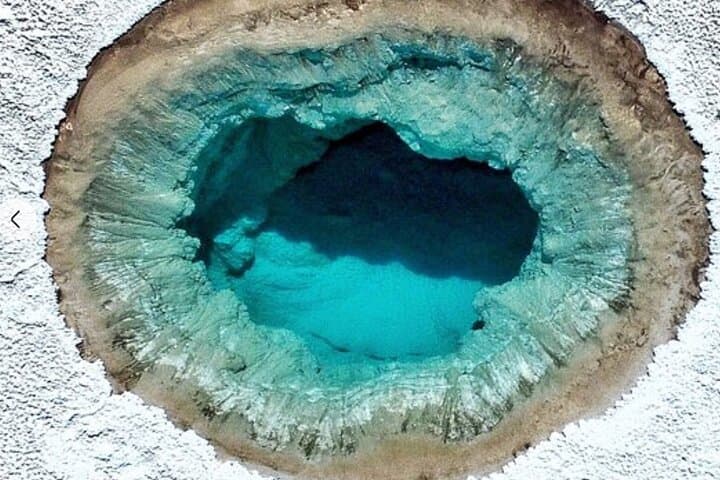
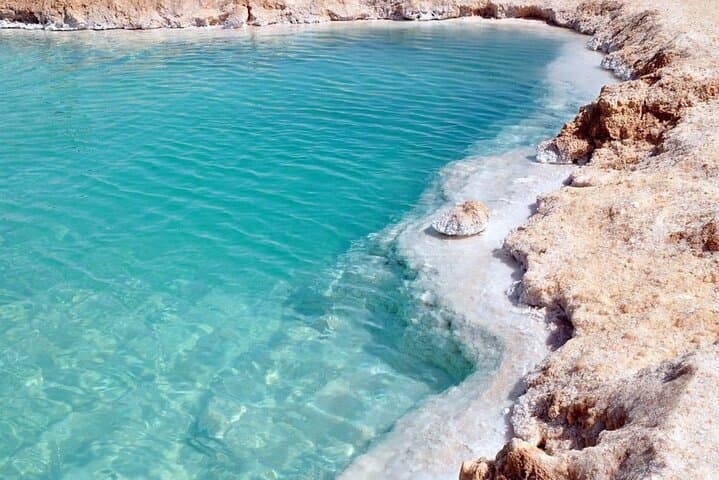
The trip begins before dawn in Cairo, when headlights carve a lane through night and the city noise thins into the patient hush of desert. After an overnight drive—roughly 9–10 hours and about 560 km—Siwa arrives as a flat of palm crowns, salt crusts catching the sun, and springs steaming against the chill. The air here moves with purpose: wind sculpts dunes, springs invite, and salt flats dare a footprint.
Verified experiences and guided adventures in the surrounding area.
Operated by Nile Navigators · Siwa, Matrouh Governorate
The trip begins before dawn in Cairo, when headlights carve a lane through night and the city noise thins into the patient hush of desert. After an overnight drive—roughly 9–10 hours and about 560 km—Siwa arrives as a flat of palm crowns, salt crusts catching the sun, and springs steaming against the chill. The air here moves with purpose: wind sculpts dunes, springs invite, and salt flats dare a footprint.
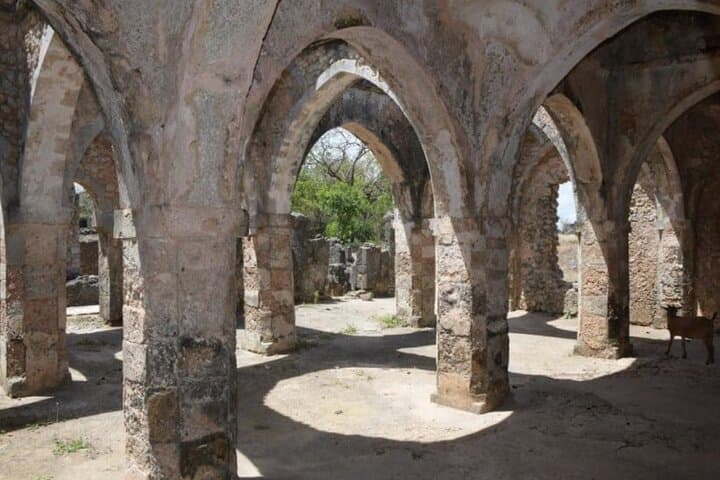
Siwa sits at the crossroads of history and geology. The Oracle Temple of Amun once drew delegations—including, by legend, Alexander the Great—and the Mountain of the Dead holds gravescut into rock dating to Egypt’s Late Period through Roman times. Geologically the region is a meeting of groundwater-fed oases and the vast Great Sand Sea, a contiguous erg whose dunes shift by seasons and wind. Locally, Siwan culture blends Amazigh traditions with long-standing desert livelihoods—date farming, salt harvesting and handwoven textiles seen in the market and Shali’s ruins, built from kershef, a salt-and-clay composite.
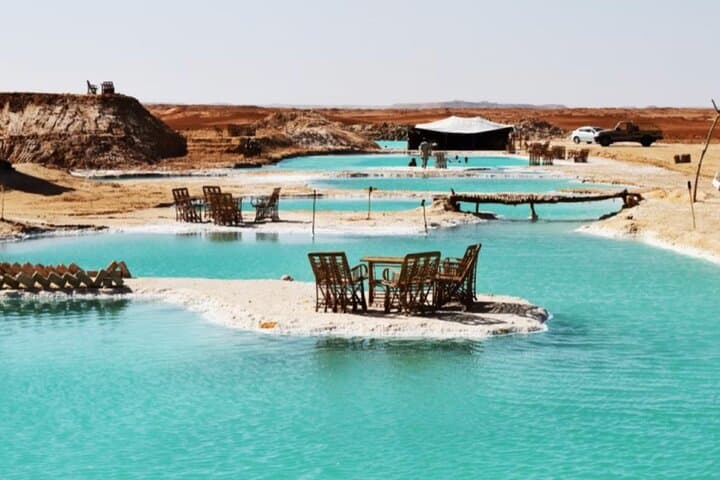
Practically: bring sun protection, sturdy shoes and swimwear for hyper-saline lakes and natural springs. Expect multi-hour drives on paved and rough roads; nights can be cold even after hot days. Guides handle logistics and most admissions; plan cash for small vendors and tips. Pace your days—the salt lakes and Cleopatra’s spring are restorative, but their buoyant, salty water can irritate open cuts and eyes. Respect archaeological sites, avoid climbing fragile ruins, and carry reusable water—the desert rewards preparation and punishes neglect.
moderate.
4 days.
Light to moderate fitness; able to walk on uneven ground and handle several hours of low-impact activity per day
The trip is about 9–10 hours (roughly 560 km) with several rest stops; the tour typically departs late evening for an overnight drive.
Yes, but the lakes are hyper-saline—avoid swallowing water, rinse off afterwards, and avoid if you have open wounds or sensitive eyes.
The tour is suitable for most fitness levels—activities include short walks, easy climbs at ruins and dune drives rather than long hikes.
Yes—three nights’ accommodation is included with breakfast; options range from simple local lodges to higher-end oasis hotels depending on booking.
Siwa’s Oracle Temple of Amun was an important pilgrimage site in antiquity; the Mountain of the Dead contains rock-cut graves dated through the late Pharaonic and Roman periods.
Siwa’s water table and fragile salt flats are sensitive—minimize freshwater use, avoid leaving waste, and stick to marked paths to protect archaeological and ecological features.
Nile Navigators operates guided outdoor trips and adventures with an emphasis on safety, stewardship, and memorable experiences.
The trip begins before dawn in Cairo, when headlights carve a lane through night and the city noise thins into the patient hush of desert. After an overnight drive—roughly 9–10 hours and about 560 km—Siwa arrives as a flat of palm crowns, salt crusts catching the sun, and springs steaming against the chill. The air here moves with purpose: wind sculpts dunes, springs invite, and salt flats dare a footprint.
The trip begins before dawn in Cairo, when headlights carve a lane through night and the city noise thins into the patient hush of desert. After an overnight drive—roughly 9–10 hours and about 560 km—Siwa arrives as a flat of palm crowns, salt crusts catching the sun, and springs steaming against the chill. The air here moves with purpose: wind sculpts dunes, springs invite, and salt flats dare a footprint.
Siwa sits at the crossroads of history and geology. The Oracle Temple of Amun once drew delegations—including, by legend, Alexander the Great—and the Mountain of the Dead holds gravescut into rock dating to Egypt’s Late Period through Roman times. Geologically the region is a meeting of groundwater-fed oases and the vast Great Sand Sea, a contiguous erg whose dunes shift by seasons and wind. Locally, Siwan culture blends Amazigh traditions with long-standing desert livelihoods—date farming, salt harvesting and handwoven textiles seen in the market and Shali’s ruins, built from kershef, a salt-and-clay composite.
Practically: bring sun protection, sturdy shoes and swimwear for hyper-saline lakes and natural springs. Expect multi-hour drives on paved and rough roads; nights can be cold even after hot days. Guides handle logistics and most admissions; plan cash for small vendors and tips. Pace your days—the salt lakes and Cleopatra’s spring are restorative, but their buoyant, salty water can irritate open cuts and eyes. Respect archaeological sites, avoid climbing fragile ruins, and carry reusable water—the desert rewards preparation and punishes neglect.