THE ADVENTURE COLLECTIVE® · Independent discovery and booking for outdoor travel

Escape the North Coast for a private day trip into Siwa Oasis: float on salt lakes, soak in Cleopatra Spring and walk the ruined Shali fortress. This full-day, private tour blends geology, local culture and easy walks across desert pools and palm groves.
Escape the North Coast for a private day trip into Siwa Oasis: float on salt lakes, soak in Cleopatra Spring and walk the ruined Shali fortress. This full-day, private tour blends geology, local culture and easy walks across desert pools and palm groves.
The day opens on a rolling ribbon of asphalt that gives way to wind-swept desert; by midmorning the driver drops you near an endless fringe of date palms and a mirror-flat salt lake where water seems to dare you to float.
Verified experiences and guided adventures in the surrounding area.
Operated by Travelish Tours · Siwa, Matrouh Governorate
The day opens on a rolling ribbon of asphalt that gives way to wind-swept desert; by midmorning the driver drops you near an endless fringe of date palms and a mirror-flat salt lake where water seems to dare you to float.
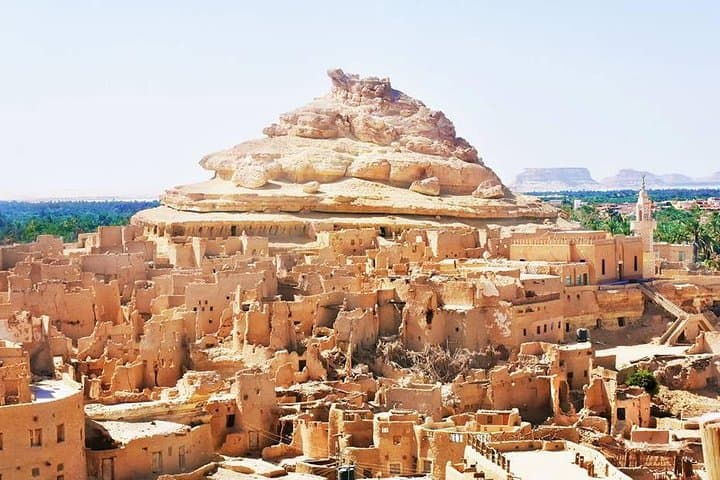
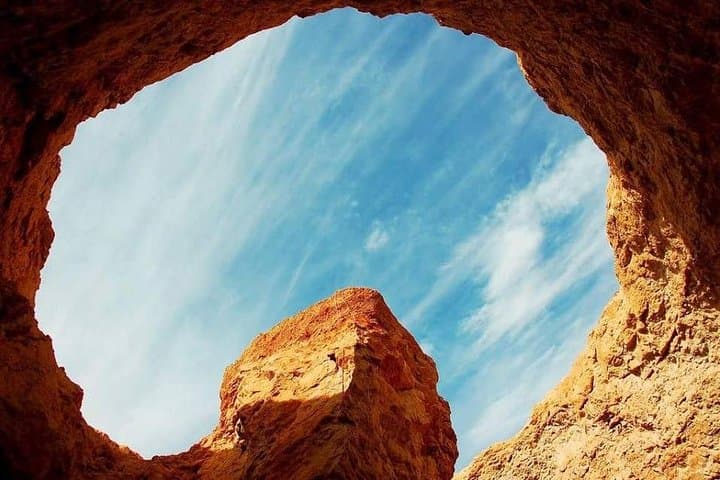
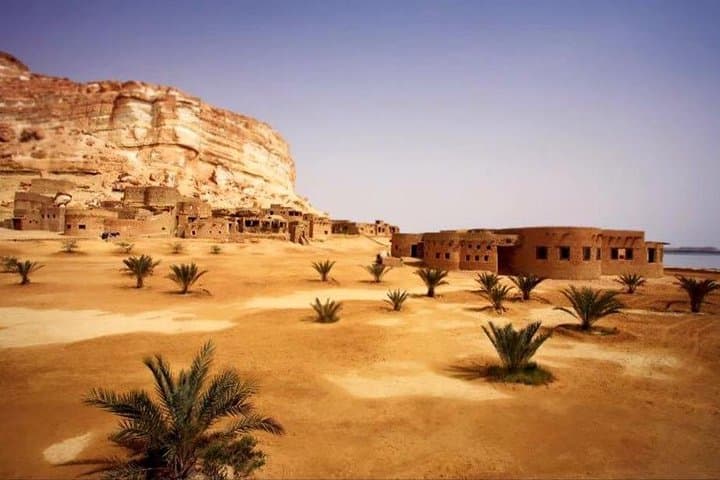
Siwa sits on an aquifer-fed pocket of life in the western desert, a place where spring-fed pools and high-salinity lakes shaped local customs and medicine. The ruins of Shali, made from kershef (salt-and-clay), keep the memory of a fortified oasis town; nearby lie small temples tied to the Oracle of Amun visited in antiquity. Geology here is stark — wind-sculpted dunes, salt crusts that crack like old paint, and warm springs that bubble through ancient limestone.
Culture in Siwa is distinct: Siwans speak a Siwi Berber dialect, maintain traditional palm-grove agriculture, and host intimate household visits where hospitality is direct and plainspoken. Look for handwoven mats, fresh dates, and medicinal salt baths once recommended for sinus and skin ailments.
Practically, expect a full 8‑hour day: brief walks on uneven stone and sand, short swims or dips at Cleopatra Spring, and time to photograph Shali’s collapsed towers. Bring ample water, sun protection, and closed shoes for salt flats and rocky paths. Respect local customs — dress modestly in public areas and accept invitations to homes with humility. Timed right, light in the late afternoon softens the landscape and cools the springs, making return drives quieter and the memory of the oasis more immediate.
moderate.
8 hours.
Moderate fitness: able to walk short uneven trails, stand for viewpoints and manage stairs or soft sand for brief periods.
This private tour runs about 8 hours (pickup in Marsa Matruh) with round-trip private transport included.
Cleopatra Spring is warm and suitable for a dip; the salt lakes are buoyant but shallow — follow local guidance on safe entry points.
Yes, but a moderate fitness level is recommended; infants and small children can use strollers during flat sections, and providers note some walking on uneven ground.
The tour includes lunch and stated fees; check the operator’s itinerary for any extra optional charges at local sites.
Siwa was the site of the ancient Oracle of Amun, consulted by figures like Alexander the Great; local Siwi culture preserves Berber language and traditions distinct from Nile communities.
The oasis depends on limited groundwater and fragile springs; avoid disturbing vegetation, don’t remove salt or plants, and minimize plastic waste to protect this delicate ecosystem.
Travelish Tours operates guided outdoor trips and adventures with an emphasis on safety, stewardship, and memorable experiences.
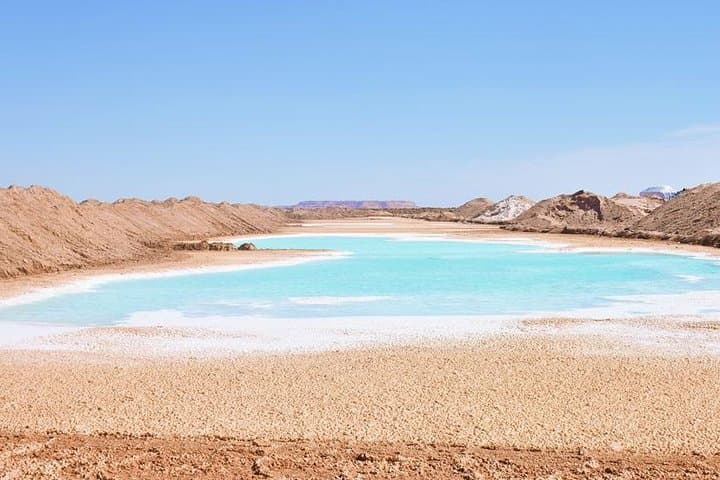
The day opens on a rolling ribbon of asphalt that gives way to wind-swept desert; by midmorning the driver drops you near an endless fringe of date palms and a mirror-flat salt lake where water seems to dare you to float.
The day opens on a rolling ribbon of asphalt that gives way to wind-swept desert; by midmorning the driver drops you near an endless fringe of date palms and a mirror-flat salt lake where water seems to dare you to float.
Siwa sits on an aquifer-fed pocket of life in the western desert, a place where spring-fed pools and high-salinity lakes shaped local customs and medicine. The ruins of Shali, made from kershef (salt-and-clay), keep the memory of a fortified oasis town; nearby lie small temples tied to the Oracle of Amun visited in antiquity. Geology here is stark — wind-sculpted dunes, salt crusts that crack like old paint, and warm springs that bubble through ancient limestone.
Culture in Siwa is distinct: Siwans speak a Siwi Berber dialect, maintain traditional palm-grove agriculture, and host intimate household visits where hospitality is direct and plainspoken. Look for handwoven mats, fresh dates, and medicinal salt baths once recommended for sinus and skin ailments.
Practically, expect a full 8‑hour day: brief walks on uneven stone and sand, short swims or dips at Cleopatra Spring, and time to photograph Shali’s collapsed towers. Bring ample water, sun protection, and closed shoes for salt flats and rocky paths. Respect local customs — dress modestly in public areas and accept invitations to homes with humility. Timed right, light in the late afternoon softens the landscape and cools the springs, making return drives quieter and the memory of the oasis more immediate.