THE ADVENTURE COLLECTIVE® · Independent discovery and booking for outdoor travel

Spend a day in Siwa Oasis moving from spring pools to ancient temples and desert tombs. This practical day‑tour blends archaeology, natural springs and Berber culture with easy walking and dramatic desert light.
Spend a day in Siwa Oasis moving from spring pools to ancient temples and desert tombs. This practical day‑tour blends archaeology, natural springs and Berber culture with easy walking and dramatic desert light.
You arrive in Siwa as the sun lifts off the white salt flats, the heat still gathering in the sand. Date palms rustle like quiet custodians while an air‑conditioned van drops you beside low mudbrick houses and a spring that has carried people here for millennia. The town smells faintly of olive oil and wet earth; dunes rise to the west, daring you to climb for a sunset view.
Verified experiences and guided adventures in the surrounding area.
Operated by Emo Tours Sweden · Siwa, Matrouh Governorate
You arrive in Siwa as the sun lifts off the white salt flats, the heat still gathering in the sand. Date palms rustle like quiet custodians while an air‑conditioned van drops you beside low mudbrick houses and a spring that has carried people here for millennia. The town smells faintly of olive oil and wet earth; dunes rise to the west, daring you to climb for a sunset view.
Siwa sits on a phreatic aquifer in Egypt’s Western Desert. Its most famous site is the Temple of Amun (often called the Oracle of Siwa), where Alexander the Great is said to have confirmed his divinity. Nearby, the Mountain of the Dead shows rock‑cut tombs and sandstone faces weathered by wind. Cleopatra’s Spring and other natural pools have been local gathering places for centuries, and the Siwi people retain a distinct Berber language and customs centered on date agriculture and salt production.
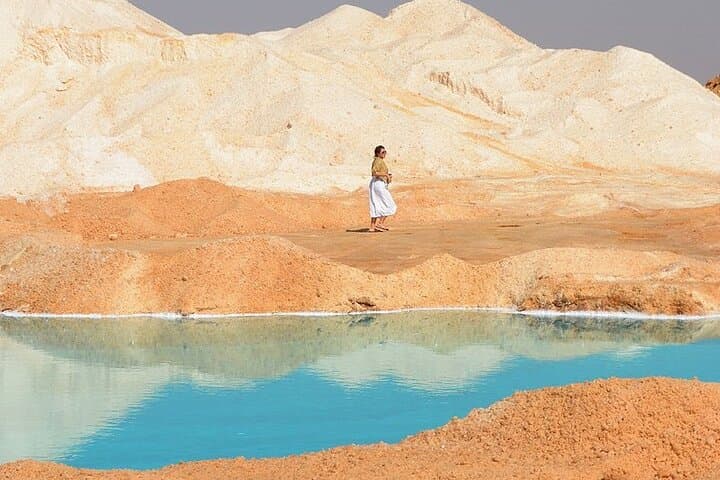
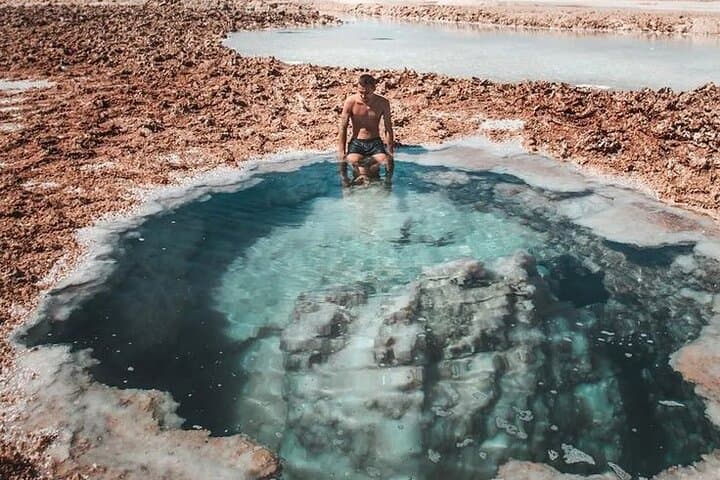
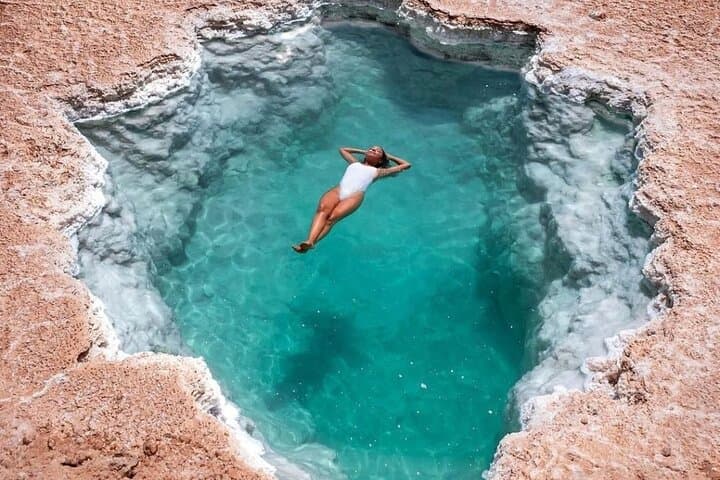
Expect an active day: short walks on uneven paths, dips in cool springs, and time among ruins that reward slow inspection. Practicalities matter here — shade, water, modest dress and a slow pace make the difference between a tiring trip and a memorable one. Guides are useful for context at the temple and to navigate local etiquette. Cameras capture the stark contrast of turquoise water against ochre earth, but leave little trace: pack out trash, use minimal sunscreen in springs, and respect fragile archaeological sites. Start early or stay for late light to avoid the full desert heat.
easy.
8 hours.
Light walking on uneven ground; suitable for most people with basic mobility
Typical itineraries are about 8 hours and often include private transport from Siwa, lunch, a guide, and visits to the Temple of Amun, Mountain of the Dead and local springs; confirm inclusions when booking.
Most parts are family‑friendly, though expect bumpy roads and some uneven walking; check accessibility needs with the operator beforehand.
Yes — many springs allow dips; rinse off soaps or oils and minimize sunscreen in the water to protect the natural pool.
Bring cash for small purchases, tips and local stalls; ATMs are limited and card acceptance can be inconsistent.
Siwa’s Temple of Amun was an important oracle in antiquity; the oasis has long been a Berber cultural enclave with unique language and date cultivation.
The oasis depends on limited groundwater; tourism should minimize water use, avoid littering, and respect archaeological sites to limit erosion and cultural impact.
Emo Tours Sweden operates guided outdoor trips and adventures with an emphasis on safety, stewardship, and memorable experiences.
You arrive in Siwa as the sun lifts off the white salt flats, the heat still gathering in the sand. Date palms rustle like quiet custodians while an air‑conditioned van drops you beside low mudbrick houses and a spring that has carried people here for millennia. The town smells faintly of olive oil and wet earth; dunes rise to the west, daring you to climb for a sunset view.
You arrive in Siwa as the sun lifts off the white salt flats, the heat still gathering in the sand. Date palms rustle like quiet custodians while an air‑conditioned van drops you beside low mudbrick houses and a spring that has carried people here for millennia. The town smells faintly of olive oil and wet earth; dunes rise to the west, daring you to climb for a sunset view.
Siwa sits on a phreatic aquifer in Egypt’s Western Desert. Its most famous site is the Temple of Amun (often called the Oracle of Siwa), where Alexander the Great is said to have confirmed his divinity. Nearby, the Mountain of the Dead shows rock‑cut tombs and sandstone faces weathered by wind. Cleopatra’s Spring and other natural pools have been local gathering places for centuries, and the Siwi people retain a distinct Berber language and customs centered on date agriculture and salt production.
Expect an active day: short walks on uneven paths, dips in cool springs, and time among ruins that reward slow inspection. Practicalities matter here — shade, water, modest dress and a slow pace make the difference between a tiring trip and a memorable one. Guides are useful for context at the temple and to navigate local etiquette. Cameras capture the stark contrast of turquoise water against ochre earth, but leave little trace: pack out trash, use minimal sunscreen in springs, and respect fragile archaeological sites. Start early or stay for late light to avoid the full desert heat.