THE ADVENTURE COLLECTIVE® · Independent discovery and booking for outdoor travel

Three days in Siwa weave desert dunes, salt lakes, hot springs and ancient ruins into a compact, guided experience. Expect sand skiing, hot springs, Shali Castle sunsets and authentic Siwan hospitality.
Three days in Siwa weave desert dunes, salt lakes, hot springs and ancient ruins into a compact, guided experience. Expect sand skiing, hot springs, Shali Castle sunsets and authentic Siwan hospitality.
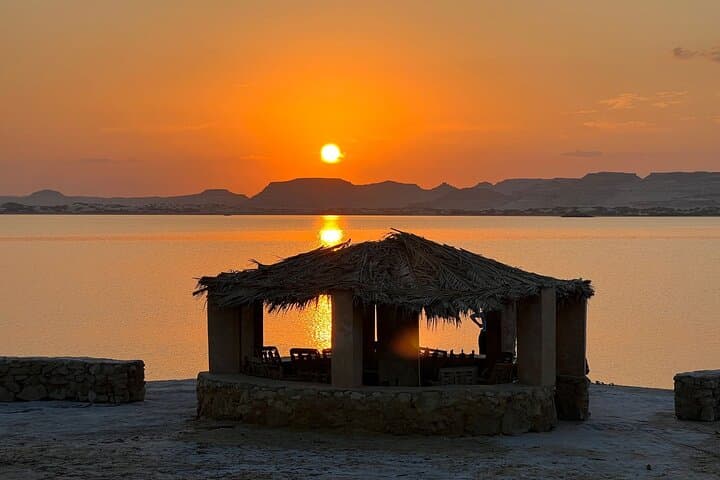
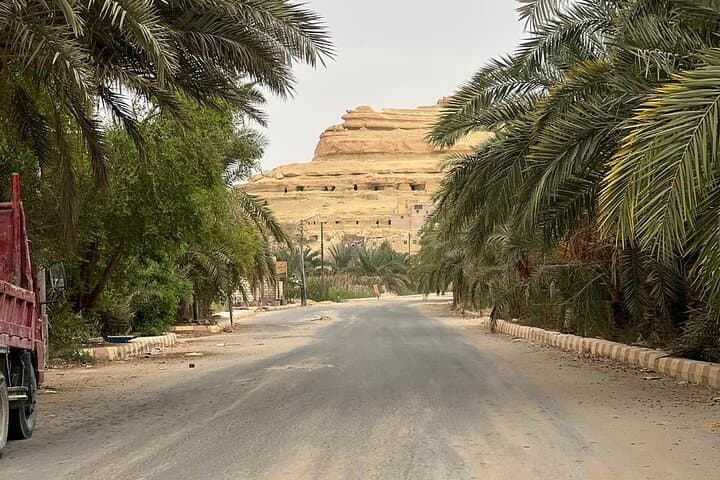
A low sun slides across wide sand, throwing long shadows from carved mud walls as a small convoy rumbles toward Siwa town. The air smells faintly of salt and date palms; palms huddle around freshwater springs that insist on life in the middle of the Western Desert. Over three days travelers move between hot springs, salt lakes that mirror the sky, the ruined white walls of Shali Castle, and enormous orange dunes that beg for a run on a sandboard.
Verified experiences and guided adventures in the surrounding area.
Operated by Mohamed Kelany · Siwa, Matrouh Governorate
A low sun slides across wide sand, throwing long shadows from carved mud walls as a small convoy rumbles toward Siwa town. The air smells faintly of salt and date palms; palms huddle around freshwater springs that insist on life in the middle of the Western Desert. Over three days travelers move between hot springs, salt lakes that mirror the sky, the ruined white walls of Shali Castle, and enormous orange dunes that beg for a run on a sandboard.
Siwa sits on the edge of the Qattara Depression and has been inhabited since at least the pharaonic era—its Temple of the Oracle was consulted by Alexander the Great. Geologically the oasis is fed by freshwater springs and sits above fossilized limestone and salt flats; the salt lakes folded by wind create hard, reflective surfaces and soft dunes where sand skiing is possible.
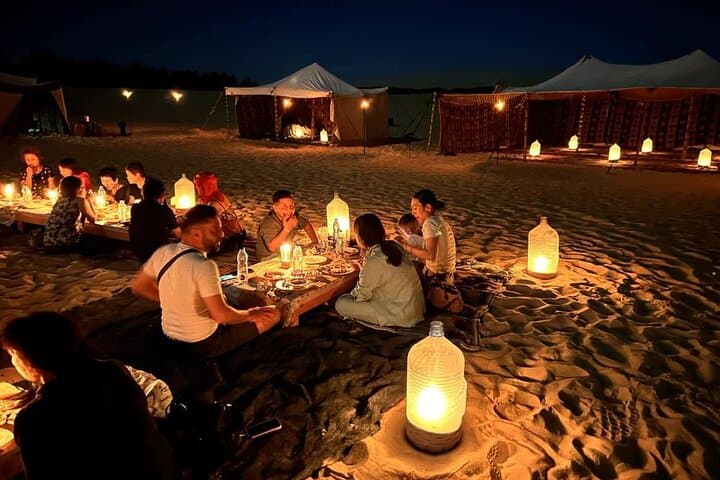
Culturally, Siwa remains strongly Siwan-Berber: local architecture uses kershef (salt and clay), and traditional meals focus on dates, olives, and lamb. Small community guesthouses offer meals at dusk and an honest window into daily life.
Practical guidance: expect sandy tracks and short drives between sites in an air-conditioned vehicle; some walking is on uneven ground. Bring at least 3 liters of water per day, sun protection, and layered clothing for cold desert nights. Plan early departures for cooler dune sessions and late afternoons for best light at Shali and Fatnas Island. Respect freshwater springs, follow guides in the Great Sand Sea, and leave no trace of campfires or trash—Siwa’s springs are finite and fragile.
moderate.
3 days.
Basic to good fitness for short hikes, dune climbs and day trips; comfortable stepping on uneven sand and stone.
Fall through spring (October–April) offers cooler daytime temperatures and milder nights; summers are very hot and harsh for midday activities.
Most 3-day itineraries include visits to salt lakes and hot springs; confirm entry times and any local fees with your operator.
The itinerary is generally accessible—vehicle transfers and short walks suit many—but some sites have uneven ground; check accessibility details before booking.
Carry Egyptian pounds for small purchases; mobile coverage can be intermittent in the desert—download confirmations and maps beforehand.
Siwa hosted an ancient Oracle of Amun visited by Alexander the Great; Shali Castle was built from kershef (salt and clay) in the 13th century and partially collapsed in the early 20th century floods.
Freshwater springs are a limited resource—avoid waste and do not introduce soaps or chemicals; respect local sites and pack out all trash.
Mohamed Kelany operates guided outdoor trips and adventures with an emphasis on safety, stewardship, and memorable experiences.
A low sun slides across wide sand, throwing long shadows from carved mud walls as a small convoy rumbles toward Siwa town. The air smells faintly of salt and date palms; palms huddle around freshwater springs that insist on life in the middle of the Western Desert. Over three days travelers move between hot springs, salt lakes that mirror the sky, the ruined white walls of Shali Castle, and enormous orange dunes that beg for a run on a sandboard.
A low sun slides across wide sand, throwing long shadows from carved mud walls as a small convoy rumbles toward Siwa town. The air smells faintly of salt and date palms; palms huddle around freshwater springs that insist on life in the middle of the Western Desert. Over three days travelers move between hot springs, salt lakes that mirror the sky, the ruined white walls of Shali Castle, and enormous orange dunes that beg for a run on a sandboard.
Siwa sits on the edge of the Qattara Depression and has been inhabited since at least the pharaonic era—its Temple of the Oracle was consulted by Alexander the Great. Geologically the oasis is fed by freshwater springs and sits above fossilized limestone and salt flats; the salt lakes folded by wind create hard, reflective surfaces and soft dunes where sand skiing is possible.
Culturally, Siwa remains strongly Siwan-Berber: local architecture uses kershef (salt and clay), and traditional meals focus on dates, olives, and lamb. Small community guesthouses offer meals at dusk and an honest window into daily life.
Practical guidance: expect sandy tracks and short drives between sites in an air-conditioned vehicle; some walking is on uneven ground. Bring at least 3 liters of water per day, sun protection, and layered clothing for cold desert nights. Plan early departures for cooler dune sessions and late afternoons for best light at Shali and Fatnas Island. Respect freshwater springs, follow guides in the Great Sand Sea, and leave no trace of campfires or trash—Siwa’s springs are finite and fragile.