THE ADVENTURE COLLECTIVE® · Independent discovery and booking for outdoor travel

Three days that compress desert history, salt-soaked swimming and dune rides into a compact loop from Cairo. Float in Siwa’s salt lakes, explore Shali Fortress and sandboard the Great Sand Sea—this tour pairs cultural stops with open-sky desert adventure.
Three days that compress desert history, salt-soaked swimming and dune rides into a compact loop from Cairo. Float in Siwa’s salt lakes, explore Shali Fortress and sandboard the Great Sand Sea—this tour pairs cultural stops with open-sky desert adventure.
The road west from Cairo thins into ochre plains and then into a ribbon of date palms—Siwa appears like an island of green cut into the Western Desert.
Verified experiences and guided adventures in the surrounding area.
Operated by Marca Tours · Siwa, Matrouh Governorate
The road west from Cairo thins into ochre plains and then into a ribbon of date palms—Siwa appears like an island of green cut into the Western Desert.
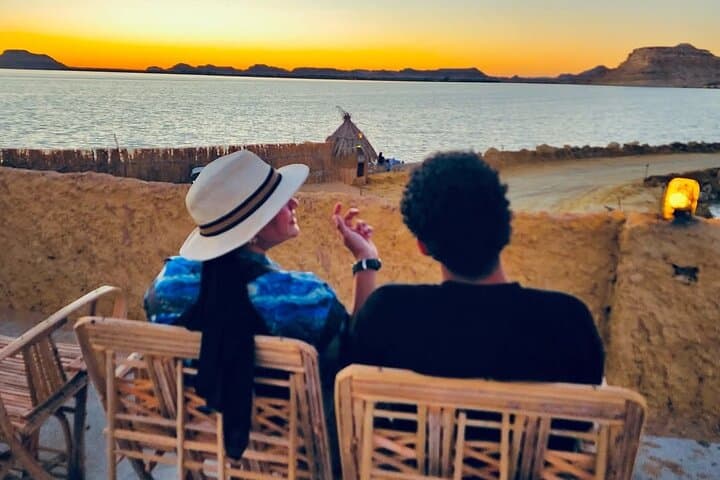
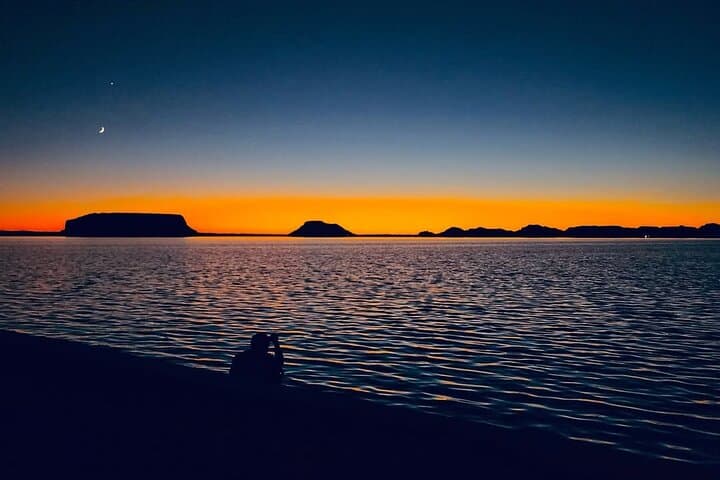
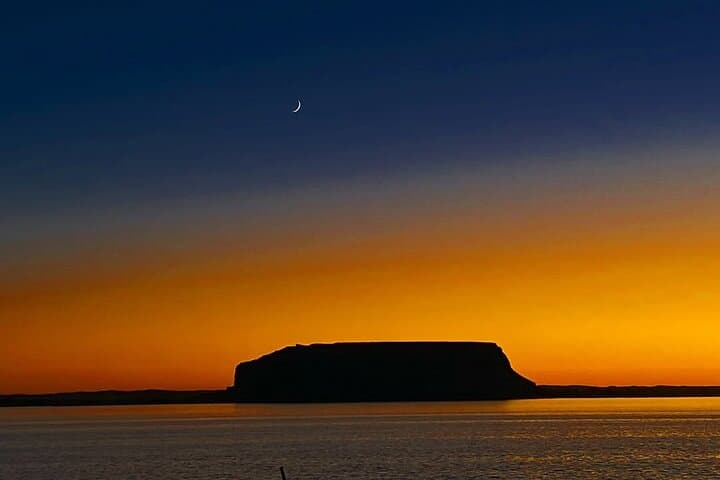
Begin at Fatnas Lake where palms frame a wide, reflective surface; later the salt lakes take over, buoying you effortlessly as mineral-rich water pushes you skyward. On day two the mud-brick silhouette of Shali Fortress rises, its ruined walls holding views across the palm grove. The Mountain of the Dead shows carved faces from Ptolemaic and Roman ages; the Oracle Temple recalls whispers that crowned Alexander "son of Zeus." At dusk the Great Sand Sea throws long shadows and sandboarding tracks across golden slopes while a Bedouin-style campfire pulls the night close.
Geologically, Siwa sits where the Sahara’s sand sheet meets an aquifer-fed oasis—salt flats (sebkhas) and freshwater springs sit cheek by jowl. Culturally, the Siwi people preserve Amazigh language, distinct crafts and hospitality; local cuisine features dates, goat milk, and flatbreads.
Practical guidance: pace activity to avoid midday heat; bring sun protection, a light wind layer for cool desert nights and sturdy shoes for uneven tombs and dunes. Hydrate often—bottled water is provided on the tour, but carry a refillable bottle. Respect archaeological sites and local customs; ask before photographing residents. Expect comfortable hotel stays in Siwa, a mix of driving and short walks, and one or two active dune-sand sessions. Timing your visit in spring or autumn avoids extreme summer temperatures and yields the most pleasant swimming in springs and salt lakes.
easy.
3 days.
Suitable for travelers in basic fitness—the tour involves short walks, gentle climbs and light dune activity; not strenuous.
Siwa is roughly 750–800 km west of Cairo; expect about 7–9 hours by air-conditioned vehicle depending on stops and traffic.
Yes—Siwa’s salt lakes are very buoyant due to high salinity; avoid eye contact with salty water and rinse off in freshwater springs afterward.
Most sites are accessible to visitors on guided tours; your operator typically handles access and local fees when required.
The trip includes two nights in a comfortable Siwa hotel; facilities are simple but clean and reflect local character.
Siwa’s history spans ancient Egyptian worship, a famed oracle visited by Alexander and long-standing Amazigh (Siwi) cultural traditions that persist today.
Water is precious—respect spring-fed sources, avoid leaving waste at oasis sites, and use local guides who follow site-preservation rules to minimize impact.
Marca Tours operates guided outdoor trips and adventures with an emphasis on safety, stewardship, and memorable experiences.
The road west from Cairo thins into ochre plains and then into a ribbon of date palms—Siwa appears like an island of green cut into the Western Desert.
The road west from Cairo thins into ochre plains and then into a ribbon of date palms—Siwa appears like an island of green cut into the Western Desert.
Begin at Fatnas Lake where palms frame a wide, reflective surface; later the salt lakes take over, buoying you effortlessly as mineral-rich water pushes you skyward. On day two the mud-brick silhouette of Shali Fortress rises, its ruined walls holding views across the palm grove. The Mountain of the Dead shows carved faces from Ptolemaic and Roman ages; the Oracle Temple recalls whispers that crowned Alexander "son of Zeus." At dusk the Great Sand Sea throws long shadows and sandboarding tracks across golden slopes while a Bedouin-style campfire pulls the night close.
Geologically, Siwa sits where the Sahara’s sand sheet meets an aquifer-fed oasis—salt flats (sebkhas) and freshwater springs sit cheek by jowl. Culturally, the Siwi people preserve Amazigh language, distinct crafts and hospitality; local cuisine features dates, goat milk, and flatbreads.
Practical guidance: pace activity to avoid midday heat; bring sun protection, a light wind layer for cool desert nights and sturdy shoes for uneven tombs and dunes. Hydrate often—bottled water is provided on the tour, but carry a refillable bottle. Respect archaeological sites and local customs; ask before photographing residents. Expect comfortable hotel stays in Siwa, a mix of driving and short walks, and one or two active dune-sand sessions. Timing your visit in spring or autumn avoids extreme summer temperatures and yields the most pleasant swimming in springs and salt lakes.