THE ADVENTURE COLLECTIVE® · Independent discovery and booking for outdoor travel

Float in buoyant salt lakes, scramble dunes in the Great Sand Sea and visit the Oracle of Amun on a private 2-day Siwa Oasis escape from Cairo. This compact itinerary blends geology, ancient history and authentic Siwan culture with a desert camp night under clear stars.
Float in buoyant salt lakes, scramble dunes in the Great Sand Sea and visit the Oracle of Amun on a private 2-day Siwa Oasis escape from Cairo. This compact itinerary blends geology, ancient history and authentic Siwan culture with a desert camp night under clear stars.
You arrive at dawn and the desert opens like a slow-breathing horizon: sand ridges folding into salt flats, a palm-fringed pool catching light like a small, defiant mirror. The first day tumbles from the old Shali fortress into buoyant salt lakes—water that holds you up and forces a laugh as you float—then on to the Great Sand Sea where dunes push you inland for sandboarding and a desert-camp sunset.
Verified experiences and guided adventures in the surrounding area.
Operated by Windows of Siwa · Siwa, Matrouh Governorate
You arrive at dawn and the desert opens like a slow-breathing horizon: sand ridges folding into salt flats, a palm-fringed pool catching light like a small, defiant mirror. The first day tumbles from the old Shali fortress into buoyant salt lakes—water that holds you up and forces a laugh as you float—then on to the Great Sand Sea where dunes push you inland for sandboarding and a desert-camp sunset.
Siwa sits on the edge of the Qattara Depression and has held human stories for millennia. Pharaohs and Greeks left tombs here; Alexander the Great reportedly consulted the Oracle of Amun. Geology is blunt and visible: wind-sculpted dunes, salt crusts over sabkhas, and limestone outcrops threaded with freshwater springs that support olive groves and the local Siwan way of life.
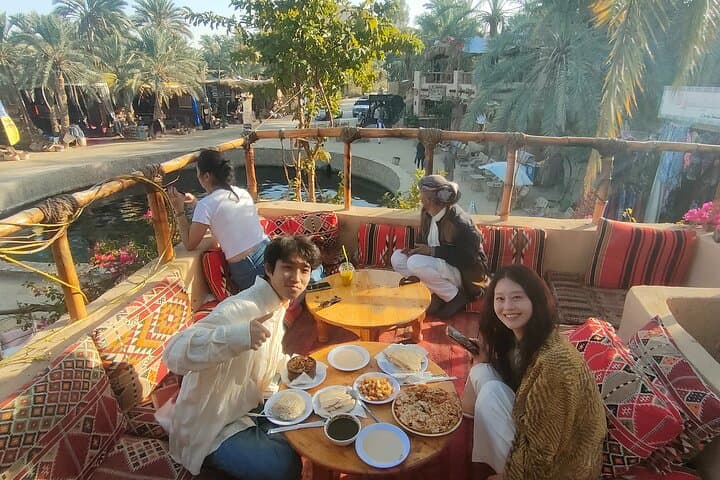
Culturally, Siwa is distinct—Siwan Arabic and Berber-influenced customs, compact mudbrick architecture at Shali, and strong traditions around hospitality and food. Expect simple ecolodge rooms or a desert bivouac; meals focus on rice, lamb, dates and thick flatbread.
Practical guidance: bring sun protection, reef-style footwear for salt lakes, and a small daypack for camera, water, and layers for cool desert nights. Timing matters—spring and autumn offer comfortable temperatures; summers are very hot. Plan for dusty conditions during the safari and modest dress in town. The trip is low-technical but active: walking across ruins, climbing dunes, and brief swims in saline basins. In short: Siwa rewards with startling stillness, surprising greenery, and places where history and sand meet—preparedness makes it unforgettable.
moderate.
2 days.
Suitable for travelers in average fitness — able to walk uneven ground, climb dunes and tolerate heat for short bursts.
No technical experience is required; the safari includes guided dune drives, short walks and optional sandboarding suitable for most people.
Accommodation is typically an ecolodge in Siwa with private rooms; the desert night is a simple camp with blankets and mattresses—confirm specifics with the operator.
Yes—salt lakes are safe to float in; avoid shaving or open wounds beforehand and rinse off at the lodge if possible.
Meals listed (breakfast, lunch, dinner) are included; operators serve traditional Siwan dishes prepared locally and they're safe for most travelers—notify guides of allergies in advance.
Siwa has been inhabited since antiquity; the Oracle of Amun drew figures like Alexander the Great and reflects the oasis' long cultural significance.
Siwa's fragile freshwater lenses and limited water table make responsible water use essential; support local guides and avoid single-use plastics to reduce impact.
Windows of Siwa operates guided outdoor trips and adventures with an emphasis on safety, stewardship, and memorable experiences.
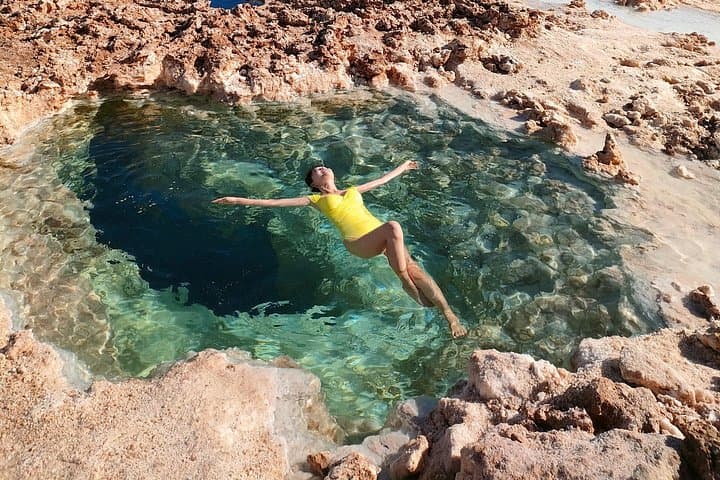
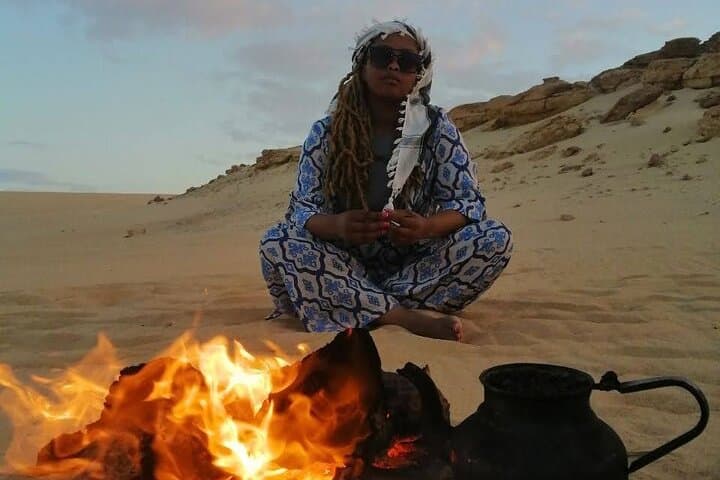
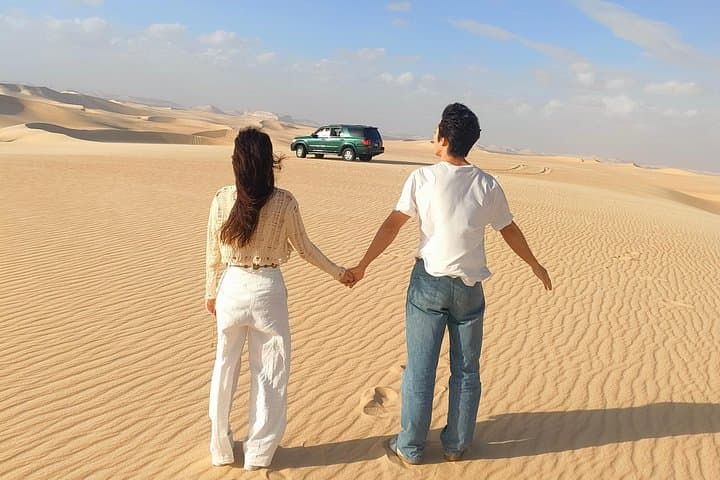
You arrive at dawn and the desert opens like a slow-breathing horizon: sand ridges folding into salt flats, a palm-fringed pool catching light like a small, defiant mirror. The first day tumbles from the old Shali fortress into buoyant salt lakes—water that holds you up and forces a laugh as you float—then on to the Great Sand Sea where dunes push you inland for sandboarding and a desert-camp sunset.
You arrive at dawn and the desert opens like a slow-breathing horizon: sand ridges folding into salt flats, a palm-fringed pool catching light like a small, defiant mirror. The first day tumbles from the old Shali fortress into buoyant salt lakes—water that holds you up and forces a laugh as you float—then on to the Great Sand Sea where dunes push you inland for sandboarding and a desert-camp sunset.
Siwa sits on the edge of the Qattara Depression and has held human stories for millennia. Pharaohs and Greeks left tombs here; Alexander the Great reportedly consulted the Oracle of Amun. Geology is blunt and visible: wind-sculpted dunes, salt crusts over sabkhas, and limestone outcrops threaded with freshwater springs that support olive groves and the local Siwan way of life.
Culturally, Siwa is distinct—Siwan Arabic and Berber-influenced customs, compact mudbrick architecture at Shali, and strong traditions around hospitality and food. Expect simple ecolodge rooms or a desert bivouac; meals focus on rice, lamb, dates and thick flatbread.
Practical guidance: bring sun protection, reef-style footwear for salt lakes, and a small daypack for camera, water, and layers for cool desert nights. Timing matters—spring and autumn offer comfortable temperatures; summers are very hot. Plan for dusty conditions during the safari and modest dress in town. The trip is low-technical but active: walking across ruins, climbing dunes, and brief swims in saline basins. In short: Siwa rewards with startling stillness, surprising greenery, and places where history and sand meet—preparedness makes it unforgettable.