THE ADVENTURE COLLECTIVE® · Independent discovery and booking for outdoor travel

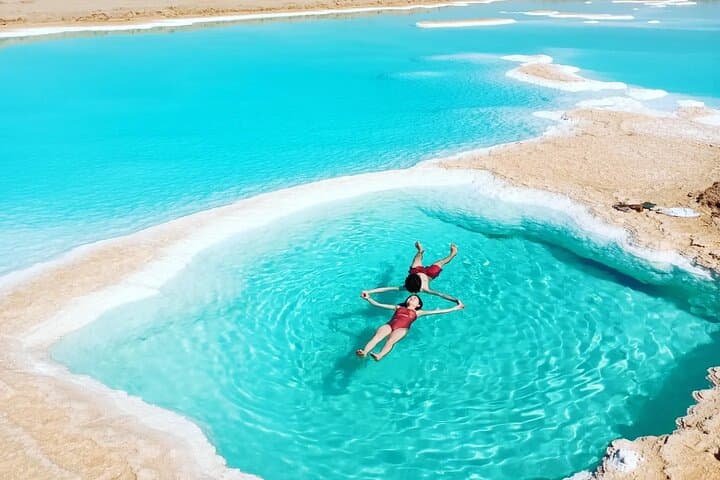
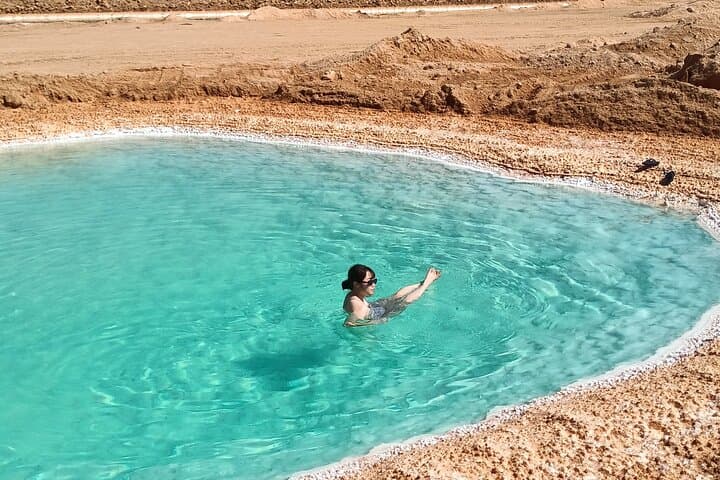
Float in silica-rich salt lakes, ride 4x4 dunes and watch a desert sunset from Fatnas Island on a compact two-day excursion to Siwa. This immersive trip blends Amazigh culture, warm springs and sandboarding for travelers short on time but hungry for desert variety.
Float in silica-rich salt lakes, ride 4x4 dunes and watch a desert sunset from Fatnas Island on a compact two-day excursion to Siwa. This immersive trip blends Amazigh culture, warm springs and sandboarding for travelers short on time but hungry for desert variety.
The morning light in Siwa catches salt like metal—white pans reflecting a hard, bright sky while palm trunks stand like weathered columns. You arrive after desert miles, step onto a flat plain and the oasis exhales: cool groundwater, the peaty scent of date palms, the distant swell of sand dunes.
Verified experiences and guided adventures in the surrounding area.
Operated by Experience Siwa oasis Egypt · Siwa, Matrouh Governorate
The morning light in Siwa catches salt like metal—white pans reflecting a hard, bright sky while palm trunks stand like weathered columns. You arrive after desert miles, step onto a flat plain and the oasis exhales: cool groundwater, the peaty scent of date palms, the distant swell of sand dunes.
This two-day route stitches together Shali fortress, Cleopatra’s fresh spring, Fatnas Island at sunset, and the salt lakes where buoyant water makes every swim effortless. Geologically the area is a depression of alluvial soils and sand seas; the Great Sand Sea’s dunes sweep up and down, offering short climbs and steep sandboard runs rather than long elevation gains (most walking is under 200 m cumulative). Culturally Siwa is Amazigh—local language, tea rituals and kershef (salt-and-clay) architecture anchor the experience; ancient sites nearby include rock-cut tombs and the oracle sites that once drew visitors from across the Nile.
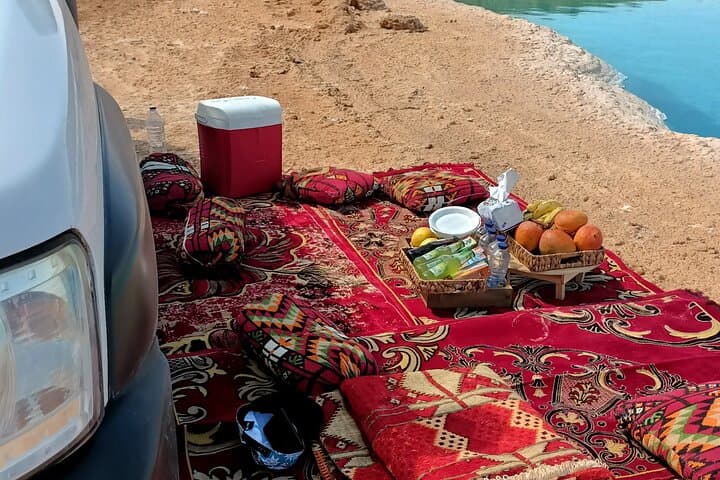
Expect a mix of slow, restorative moments (hot springs, fresh-water pools) and high-energy sections (4x4 rollers, sandboarding, dune sprints). Practical notes: the trip usually includes hotel or camp lodging and two lunches; travel from Cairo is long by road (plan for 8–10 hours each way if overland). Bring sun protection, ample water, closed-toe shoes for dunes, and a light jacket for cool desert nights. Currency and a charged phone are useful—connectivity is patchy.
For travelers who want culture, calm water, and a taste of desert adrenaline in a short window, Siwa delivers a compact, well-rounded adventure.
easy.
2 days.
Suitable for most fitness levels; involves short hikes, dune climbs and easy swims—no sustained technical fitness required
Most travelers go by road—private transfer or bus; expect roughly 8–10 hours depending on route and stops. Some tours include overnight transport options or internal transfers.
Yes—salt lakes are safe for floating and Cleopatra’s Spring is a calm fresh-water pool; avoid swallowing salt lake water and rinse off after bathing.
Visitors to Egypt need appropriate travel documents; no special local permits are typically required for Siwa, but bring ID and check national entry rules before travel.
Autumn through spring (October–April) offers milder daytime temperatures and pleasant nights; summers are hot and can be uncomfortable for prolonged outdoor activity.
Siwa’s Oasis has long been a crossroad of Amazigh (Siwan) culture and ancient Egyptian contacts—the Oracle of Amun here drew visitors including Alexander the Great in antiquity.
Water in Siwa is precious; favor refillable bottles, avoid soaps in natural springs and respect local irrigation systems that sustain palms and agriculture.
Experience Siwa oasis Egypt operates guided outdoor trips and adventures with an emphasis on safety, stewardship, and memorable experiences.
The morning light in Siwa catches salt like metal—white pans reflecting a hard, bright sky while palm trunks stand like weathered columns. You arrive after desert miles, step onto a flat plain and the oasis exhales: cool groundwater, the peaty scent of date palms, the distant swell of sand dunes.
The morning light in Siwa catches salt like metal—white pans reflecting a hard, bright sky while palm trunks stand like weathered columns. You arrive after desert miles, step onto a flat plain and the oasis exhales: cool groundwater, the peaty scent of date palms, the distant swell of sand dunes.
This two-day route stitches together Shali fortress, Cleopatra’s fresh spring, Fatnas Island at sunset, and the salt lakes where buoyant water makes every swim effortless. Geologically the area is a depression of alluvial soils and sand seas; the Great Sand Sea’s dunes sweep up and down, offering short climbs and steep sandboard runs rather than long elevation gains (most walking is under 200 m cumulative). Culturally Siwa is Amazigh—local language, tea rituals and kershef (salt-and-clay) architecture anchor the experience; ancient sites nearby include rock-cut tombs and the oracle sites that once drew visitors from across the Nile.
Expect a mix of slow, restorative moments (hot springs, fresh-water pools) and high-energy sections (4x4 rollers, sandboarding, dune sprints). Practical notes: the trip usually includes hotel or camp lodging and two lunches; travel from Cairo is long by road (plan for 8–10 hours each way if overland). Bring sun protection, ample water, closed-toe shoes for dunes, and a light jacket for cool desert nights. Currency and a charged phone are useful—connectivity is patchy.
For travelers who want culture, calm water, and a taste of desert adrenaline in a short window, Siwa delivers a compact, well-rounded adventure.