THE ADVENTURE COLLECTIVE® · Independent discovery and booking for outdoor travel

A compact desert escape that blends mineral springs, sandboarding and ancient temples. Spend two or three days exploring Siwa’s unique culture, salt lakes and picnic-perfect sunsets.
A compact desert escape that blends mineral springs, sandboarding and ancient temples. Spend two or three days exploring Siwa’s unique culture, salt lakes and picnic-perfect sunsets.
You arrive as the road peels away from the coastal plain and the air shifts—cool, saline, then dry—until palms and salt flats appear like an unexpected green mirage. In Siwa, date palms lean over freshwater pools, wind shapes dunes into ridges that dare you to climb, and the desert keeps its slow, honest rhythm.
Verified experiences and guided adventures in the surrounding area.
Operated by Ahmed · Siwa, Matruh Governorate
You arrive as the road peels away from the coastal plain and the air shifts—cool, saline, then dry—until palms and salt flats appear like an unexpected green mirage. In Siwa, date palms lean over freshwater pools, wind shapes dunes into ridges that dare you to climb, and the desert keeps its slow, honest rhythm.
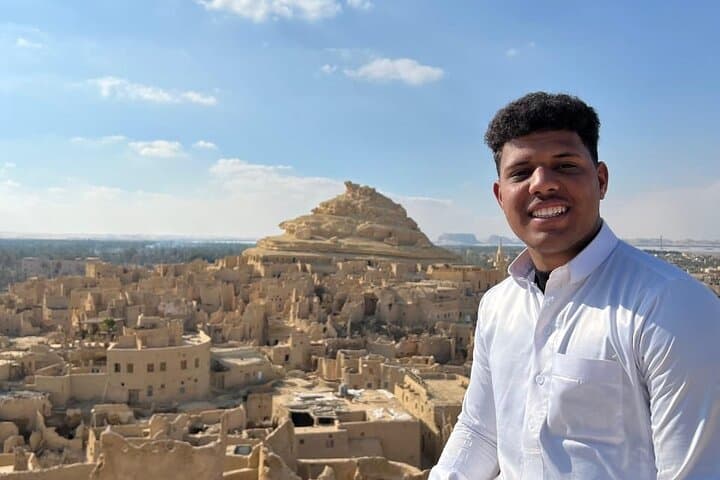
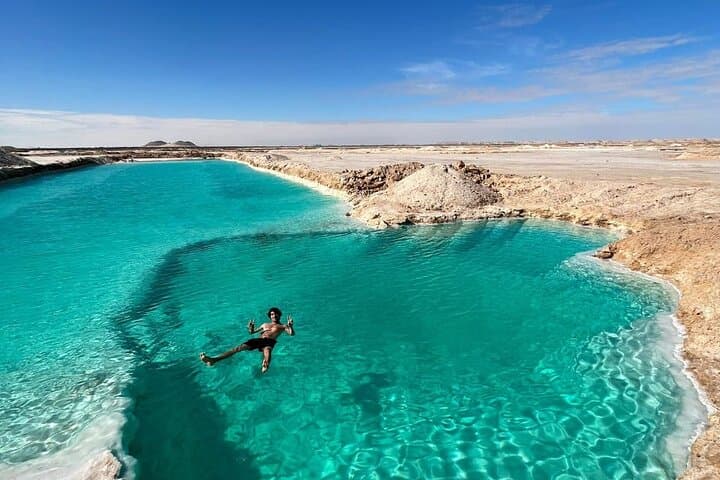
This itinerary threads natural wonder with layered history: pharaonic-era shrines at the Temple of Amun where Alexander sought counsel, centuries-old mud-brick homes in Shali Fortress, and rock-cut tombs on the Mountain of the Dead. Geologically, Siwa sits in the Western Desert’s depression—salt pans and springs mark where groundwater meets faults, producing buoyant mineral pools and seasonal wetlands that sustain an isolated oasis culture.
Culturally, Siwa’s Berber-speaking community preserves distinct crafts, foods and tea rituals you'll sample at the old market; locally produced olive oil and date-based dishes are highlights. Expect activities to mix low-impact exploration—temple visits, market walks, salt cave relaxation—with higher-adrenaline moments: a 4x4 desert safari, sandboarding, and sunrise climbs up Jabal El-Dakrour.
Practical guidance: pack sun protection, quick-dry layers and sturdy shoes for uneven mud-brick paths and dune slopes. Hydrate aggressively—the desert draws water fast—and schedule outdoor excursions early or late to avoid peak heat. Bring cash for optional extras (massages, local sellers) and confirm any seasonal road or bus connections when booking from Cairo or Alexandria. With basic preparation you’ll move easily between restorative springs and wide, wind-scoured horizons—Siwa rewards curiosity and a readiness to slow down.
moderate.
2–3 days.
Suitable for travelers with basic fitness—able to handle short climbs, dune hikes and multi-hour outings; no special conditioning required.
Most visitors join a bus or private transfer from Cairo or Alexandria; this tour includes round-trip transportation—confirm pickup location and times when booking.
Siwa is a popular tourist destination with local guides and accommodations; follow guide advice for desert travel and avoid remote areas alone after dark.
Yes—mineral springs and salt lakes are swim-friendly; water buoyancy varies, and some springs are warm while others are cooler, so check temperatures before entering.
International travelers should carry valid passports; the booking requires passport details and nationality—check Egypt’s visa rules for your country before travel.
Siwa has long been an isolated center of Berber culture and an ancient pilgrimage site—the Temple of Amun drew visitors from across the pharaonic world, including Alexander the Great.
Water management and sustainable tourism are critical; visitors should minimize freshwater use, avoid littering salt flats, and support local guides who follow low-impact practices.
Ahmed operates guided outdoor trips and adventures with an emphasis on safety, stewardship, and memorable experiences.

You arrive as the road peels away from the coastal plain and the air shifts—cool, saline, then dry—until palms and salt flats appear like an unexpected green mirage. In Siwa, date palms lean over freshwater pools, wind shapes dunes into ridges that dare you to climb, and the desert keeps its slow, honest rhythm.
You arrive as the road peels away from the coastal plain and the air shifts—cool, saline, then dry—until palms and salt flats appear like an unexpected green mirage. In Siwa, date palms lean over freshwater pools, wind shapes dunes into ridges that dare you to climb, and the desert keeps its slow, honest rhythm.
This itinerary threads natural wonder with layered history: pharaonic-era shrines at the Temple of Amun where Alexander sought counsel, centuries-old mud-brick homes in Shali Fortress, and rock-cut tombs on the Mountain of the Dead. Geologically, Siwa sits in the Western Desert’s depression—salt pans and springs mark where groundwater meets faults, producing buoyant mineral pools and seasonal wetlands that sustain an isolated oasis culture.
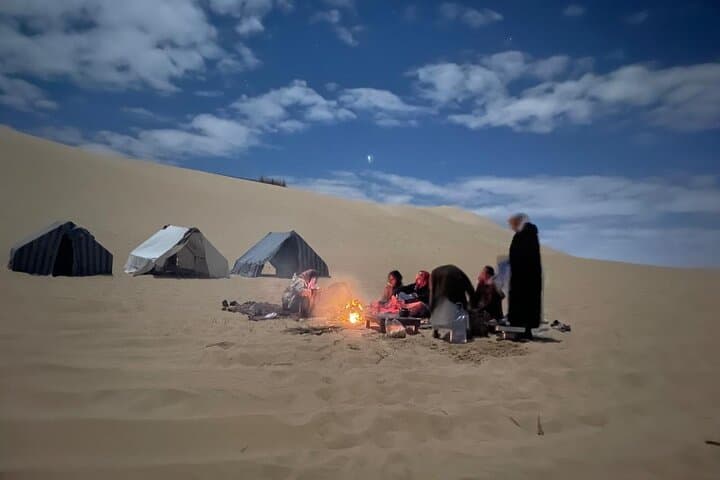
Culturally, Siwa’s Berber-speaking community preserves distinct crafts, foods and tea rituals you'll sample at the old market; locally produced olive oil and date-based dishes are highlights. Expect activities to mix low-impact exploration—temple visits, market walks, salt cave relaxation—with higher-adrenaline moments: a 4x4 desert safari, sandboarding, and sunrise climbs up Jabal El-Dakrour.
Practical guidance: pack sun protection, quick-dry layers and sturdy shoes for uneven mud-brick paths and dune slopes. Hydrate aggressively—the desert draws water fast—and schedule outdoor excursions early or late to avoid peak heat. Bring cash for optional extras (massages, local sellers) and confirm any seasonal road or bus connections when booking from Cairo or Alexandria. With basic preparation you’ll move easily between restorative springs and wide, wind-scoured horizons—Siwa rewards curiosity and a readiness to slow down.