THE ADVENTURE COLLECTIVE® · Independent discovery and booking for outdoor travel

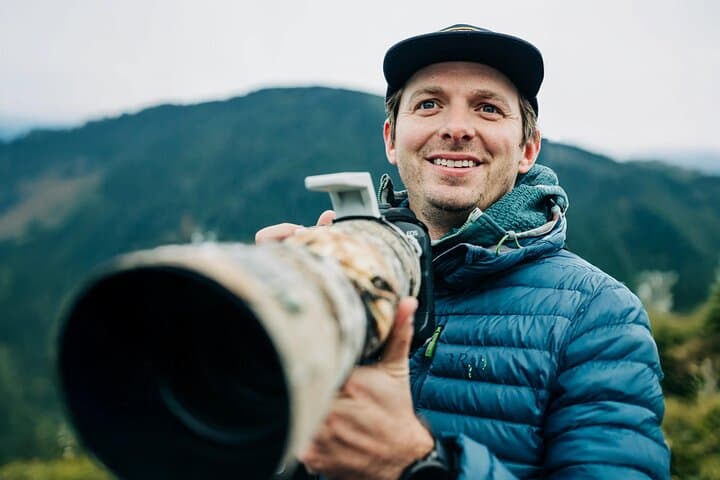
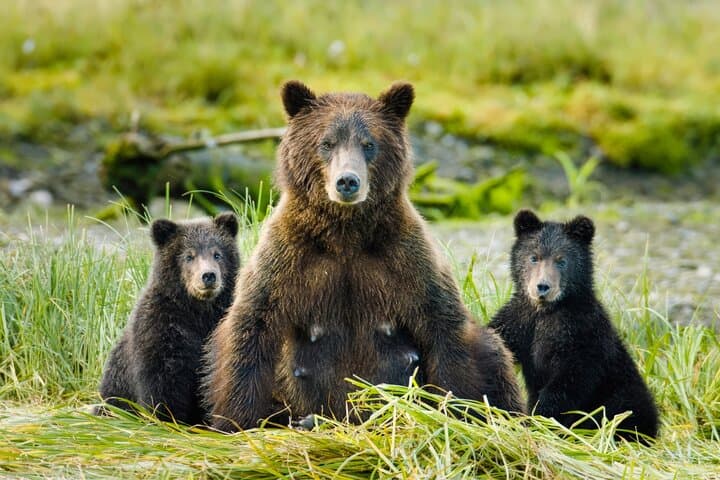
Board a small workshop boat in Sitka Sound to learn wildlife photography from an Emmy-winning filmmaker while searching for whales, otters, puffins and eagles. This three-hour, hands-on trip combines technical coaching with focused wildlife viewing on Alaska’s rugged coast.
Board a small workshop boat in Sitka Sound to learn wildlife photography from an Emmy-winning filmmaker while searching for whales, otters, puffins and eagles. This three-hour, hands-on trip combines technical coaching with focused wildlife viewing on Alaska’s rugged coast.
A low roar of the engine, the spray puffing off the bow and a sudden arc of white wings — Sitka Sound announces itself with motion. On a three-hour workshop boat ride from Sitka, participants trade static viewpoints for close, moving frames: islands loom black and glassy, kelp beds flash, and bald eagles wheel over channels that cut the coast like deep knives.
Verified experiences and guided adventures in the surrounding area.
Operated by Sitka's Hidden Wonders · Sitka, Alaska
A low roar of the engine, the spray puffing off the bow and a sudden arc of white wings — Sitka Sound announces itself with motion. On a three-hour workshop boat ride from Sitka, participants trade static viewpoints for close, moving frames: islands loom black and glassy, kelp beds flash, and bald eagles wheel over channels that cut the coast like deep knives.
The waters here sit on the edge of the Alexander Archipelago, where glacially scoured fjords and volcanic outcrops meet the North Pacific. Sitka’s human story is layered — Tlingit stewardship for millennia, Russian colonial settlement in the 18th–19th centuries, and contemporary Alaskan communities that still draw on sea resources. Those histories shape not just ports and place names but how wildlife viewing is managed and experienced.
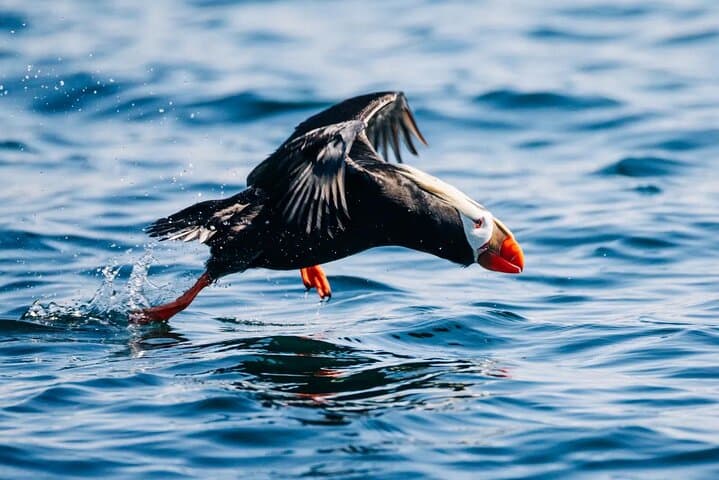
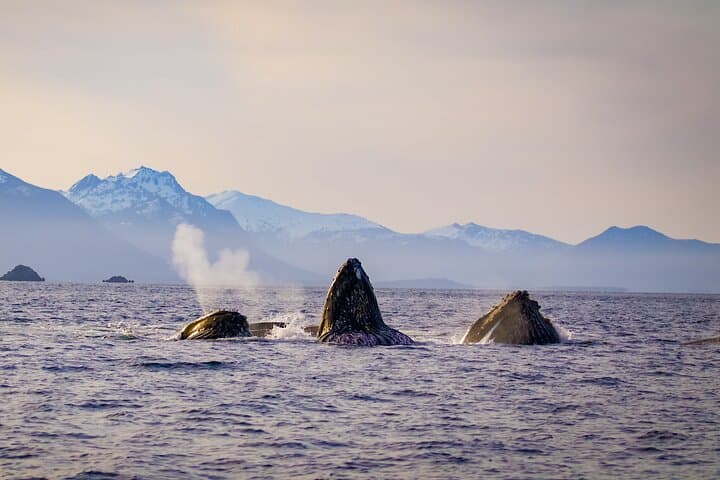
A photography workshop on the water is part technique clinic, part natural-history lesson. Expect coaching in exposure and composition while the boat drifts between kelp-lined coves searching for humpback blows, sea otters cracking shellfish, tufted puffins on rocky ledges and eagles perched like watchful punctuation.
Practically: dress in warm, waterproof layers, bring a mid- to long-telephoto lens or a good zoom, and set expectations for moving subjects and changing light. Operators prioritize safety and quiet approaches to avoid disturbing animals; follow crew instructions on the deck. For best light, schedule morning or late-afternoon departures and keep batteries warm — cold drains power fast. The sound offers concentrated wildlife opportunity in a short window: the work is part craft, part patience, and all about reading the water.
easy.
3 hours.
Accessible to most people who can board a small boat and stand for short periods; basic mobility recommended.
Whales are commonly sighted but not guaranteed; the guide times departures for usual activity but sightings depend on season and animal movements.
Use higher shutter speeds (1/1000s+) for splashes and movement, continuous autofocus, and burst mode for action sequences; adjust ISO for the light.
Yes — tours include heated cabin space and snacks, and guidance is tailored for all skill levels.
Drones are typically prohibited on guided wildlife tours to avoid disturbing animals; check operator rules before your trip.
Sitka sits on ancestral Tlingit lands and later served as the capital of Russian America; remnants of both histories appear in local place names and museums.
Operators adhere to marine wildlife viewing guidelines and local regulations to minimize disturbance; pack out waste and avoid single-use plastics when possible.
Sitka's Hidden Wonders operates guided outdoor trips and adventures with an emphasis on safety, stewardship, and memorable experiences.
A low roar of the engine, the spray puffing off the bow and a sudden arc of white wings — Sitka Sound announces itself with motion. On a three-hour workshop boat ride from Sitka, participants trade static viewpoints for close, moving frames: islands loom black and glassy, kelp beds flash, and bald eagles wheel over channels that cut the coast like deep knives.
A low roar of the engine, the spray puffing off the bow and a sudden arc of white wings — Sitka Sound announces itself with motion. On a three-hour workshop boat ride from Sitka, participants trade static viewpoints for close, moving frames: islands loom black and glassy, kelp beds flash, and bald eagles wheel over channels that cut the coast like deep knives.
The waters here sit on the edge of the Alexander Archipelago, where glacially scoured fjords and volcanic outcrops meet the North Pacific. Sitka’s human story is layered — Tlingit stewardship for millennia, Russian colonial settlement in the 18th–19th centuries, and contemporary Alaskan communities that still draw on sea resources. Those histories shape not just ports and place names but how wildlife viewing is managed and experienced.
A photography workshop on the water is part technique clinic, part natural-history lesson. Expect coaching in exposure and composition while the boat drifts between kelp-lined coves searching for humpback blows, sea otters cracking shellfish, tufted puffins on rocky ledges and eagles perched like watchful punctuation.
Practically: dress in warm, waterproof layers, bring a mid- to long-telephoto lens or a good zoom, and set expectations for moving subjects and changing light. Operators prioritize safety and quiet approaches to avoid disturbing animals; follow crew instructions on the deck. For best light, schedule morning or late-afternoon departures and keep batteries warm — cold drains power fast. The sound offers concentrated wildlife opportunity in a short window: the work is part craft, part patience, and all about reading the water.