THE ADVENTURE COLLECTIVE® · Independent discovery and booking for outdoor travel

Slide out of Kiruna and into a forest of birch and frozen lakes on a sit-down husky sled ride. Meet friendly huskies, warm up in a lavvu with homemade cake, and learn local stories from experienced guides.
Slide out of Kiruna and into a forest of birch and frozen lakes on a sit-down husky sled ride. Meet friendly huskies, warm up in a lavvu with homemade cake, and learn local stories from experienced guides.
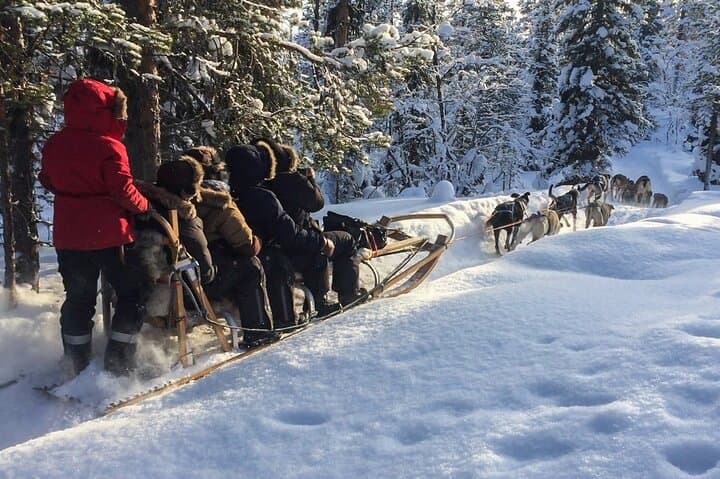
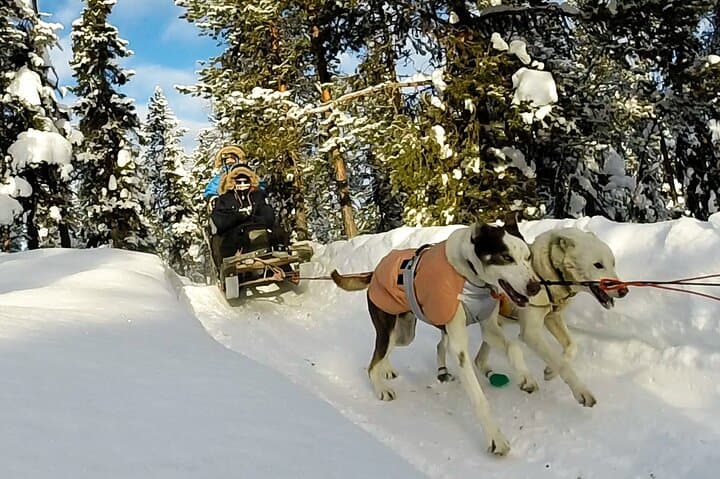
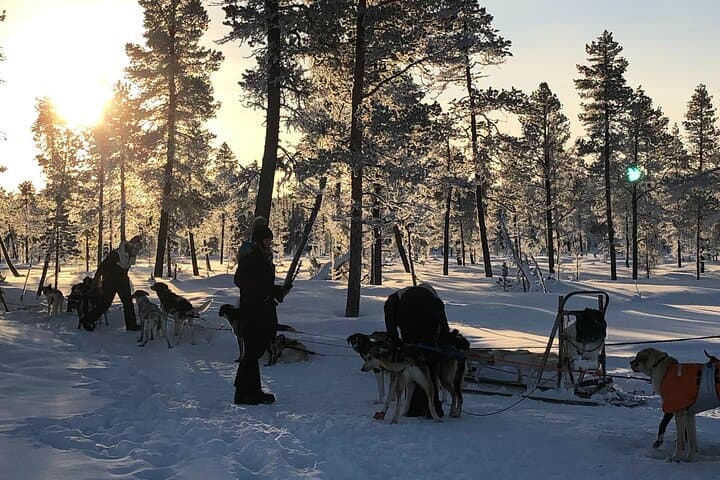
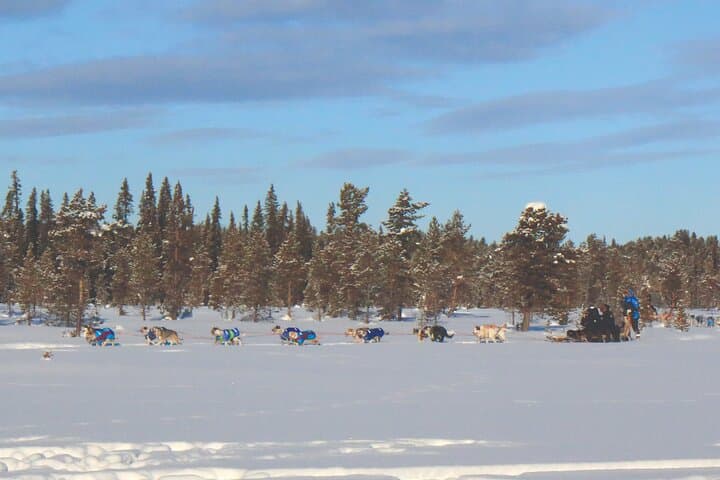
Snow bites at the edges of the parka as your sled slides away from a small kennel 10–15 minutes outside Kiruna. Twelve eager huskies pull and strain in trembling harnesses, tails flicking like metronomes; the guide’s voice is calm, the runners whisper across frozen lake ice, and the forest opens in a corridor of silver birch and lichen-scented air.
Verified experiences and guided adventures in the surrounding area.
Operated by Lapland Sleddog Adventures · Kiruna, Norrbotten
Snow bites at the edges of the parka as your sled slides away from a small kennel 10–15 minutes outside Kiruna. Twelve eager huskies pull and strain in trembling harnesses, tails flicking like metronomes; the guide’s voice is calm, the runners whisper across frozen lake ice, and the forest opens in a corridor of silver birch and lichen-scented air.
Dog sledding in northern Sweden traces practical roots to Sámi and Arctic travel, later adopted by miners and explorers. The local geology—ancient bedrock scoured by ice—creates broad, flat lake surfaces and rolling pine ridges ideal for sled runs. Culture here mixes Sámi reindeer-herding traditions and a modern, mining-centered town life; guides often share stories about dogs, reindeer, and the seasonal rhythm that shapes daily life.
Expect a relaxed, sit-down ride: groups of four on a large sled, a professional driver at the rear, and regular stops for a warming drink and homemade cake in a lavvu (tipi). The dogs are social and handled with care; you’ll meet them up close at the midway pause. Wildlife encounters—most commonly reindeer and the occasional moose silhouette—are possible on quieter trails.
Practical guidance: bring a small daypack, keep camera batteries warm in an inner pocket, and layer for quickly changing temperatures. Operators provide arctic outerwear and Sorel-style boots; guests should be able to sit on a low bench for the duration. Tours run mainly on stable winter ice and packed snow—book early in high season and notify the operator if you weigh over 100 kg so sled arrangements can be adjusted.
This is a family-friendly, low-effort way to feel the pull of the Arctic by dogpower—both a sensory ride and a gentle introduction to northern outdoor life.
easy.
2–3 hours.
Suitable for most fitness levels; you should be able to sit for the 2.5‑hour tour and board low sled benches.
Yes—operators note it’s family-friendly; infants under 2 are not suitable and very young children should sit up unaided.
Premium arctic outerwear is supplied, including a parka, insulated trousers, Sorel-style boots, and mittens—bring your own base layers.
This is a daytime tour; aurora sightings are unlikely. Night dog-sled experiences are available separately in the region if you want aurora-focused trips.
Pick-up from central Kiruna is provided and the kennel is typically a 10–15 minute drive from town.
Dog sledding here evolved from Sámi transport and hunting traditions and later served miners and explorers in Lapland’s harsh winters.
Operators emphasize humane dog care and stick to established trails to protect fragile tundra and lake ice; follow leave-no-trace practices and avoid approaching wildlife.
Lapland Sleddog Adventures operates guided outdoor trips and adventures with an emphasis on safety, stewardship, and memorable experiences.
Snow bites at the edges of the parka as your sled slides away from a small kennel 10–15 minutes outside Kiruna. Twelve eager huskies pull and strain in trembling harnesses, tails flicking like metronomes; the guide’s voice is calm, the runners whisper across frozen lake ice, and the forest opens in a corridor of silver birch and lichen-scented air.
Snow bites at the edges of the parka as your sled slides away from a small kennel 10–15 minutes outside Kiruna. Twelve eager huskies pull and strain in trembling harnesses, tails flicking like metronomes; the guide’s voice is calm, the runners whisper across frozen lake ice, and the forest opens in a corridor of silver birch and lichen-scented air.
Dog sledding in northern Sweden traces practical roots to Sámi and Arctic travel, later adopted by miners and explorers. The local geology—ancient bedrock scoured by ice—creates broad, flat lake surfaces and rolling pine ridges ideal for sled runs. Culture here mixes Sámi reindeer-herding traditions and a modern, mining-centered town life; guides often share stories about dogs, reindeer, and the seasonal rhythm that shapes daily life.
Expect a relaxed, sit-down ride: groups of four on a large sled, a professional driver at the rear, and regular stops for a warming drink and homemade cake in a lavvu (tipi). The dogs are social and handled with care; you’ll meet them up close at the midway pause. Wildlife encounters—most commonly reindeer and the occasional moose silhouette—are possible on quieter trails.
Practical guidance: bring a small daypack, keep camera batteries warm in an inner pocket, and layer for quickly changing temperatures. Operators provide arctic outerwear and Sorel-style boots; guests should be able to sit on a low bench for the duration. Tours run mainly on stable winter ice and packed snow—book early in high season and notify the operator if you weigh over 100 kg so sled arrangements can be adjusted.
This is a family-friendly, low-effort way to feel the pull of the Arctic by dogpower—both a sensory ride and a gentle introduction to northern outdoor life.