THE ADVENTURE COLLECTIVE® · Independent discovery and booking for outdoor travel

A four-day ascent of Mount Kenya via the Sirimon Route takes you through forest, heath and Afro-alpine moor to Point Lenana for a sunrise summit. Expect long days, altitude, and panoramic highland scenery—best attempted with acclimatization and local guides.
A four-day ascent of Mount Kenya via the Sirimon Route takes you through forest, heath and Afro-alpine moor to Point Lenana for a sunrise summit. Expect long days, altitude, and panoramic highland scenery—best attempted with acclimatization and local guides.
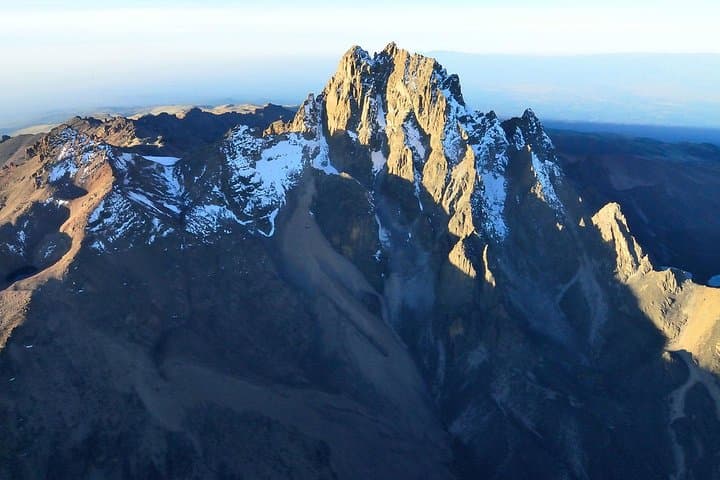
You step off the jeep at Sirimon Gate and the air changes: cooler, drier, and threaded with pine resin. The trail climbs through a dim, dripping forest, then opens into heath and moorland where lobelias and giant groundsels lean into mountain winds. On clear mornings the ridge to Point Lenana cuts a clean silhouette against an equatorial sky, and the summit’s sunrise paints the alpine rocks in pale gold.
Verified experiences and guided adventures in the surrounding area.
Operated by Gracepatt Safaris · Nanyuki, Laikipia County
You step off the jeep at Sirimon Gate and the air changes: cooler, drier, and threaded with pine resin. The trail climbs through a dim, dripping forest, then opens into heath and moorland where lobelias and giant groundsels lean into mountain winds. On clear mornings the ridge to Point Lenana cuts a clean silhouette against an equatorial sky, and the summit’s sunrise paints the alpine rocks in pale gold.
Mount Kenya’s geology is volcanic—an eroded stratovolcano whose highest peaks are jagged remnants of a collapse and glacial sculpting. The Sirimon route, approached from the northwest near Nanyuki, has historical ties to local Kikuyu and Meru communities who regard the mountain as sacred, and to early 20th-century explorers who mapped its ridgelines. Camps and dry valleys here show the shifting boundary between montane forest and the Afro-alpine moor.
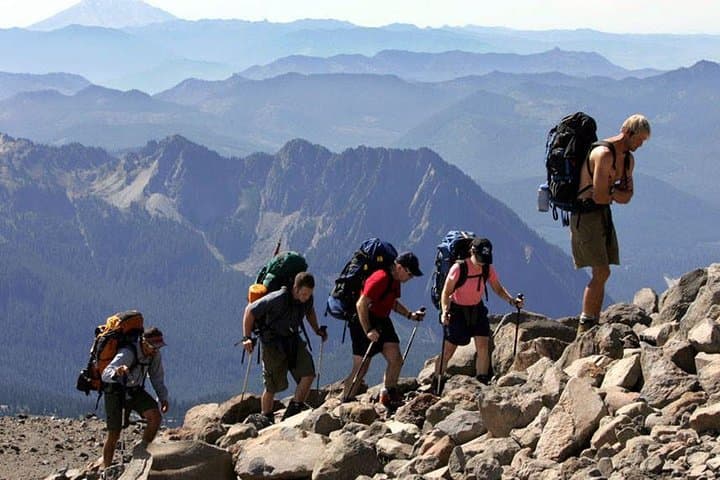
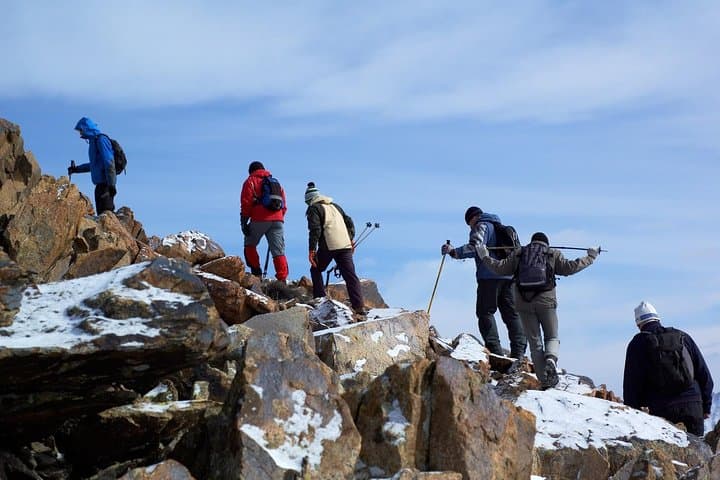
Practically, the itinerary moves steadily: Sirimon Gate (2,440 m) to Judmier, then Shipton, an alpine camp below Point Lenana, with a very early summit push around 3:00 a.m. for sunrise. Expect steep, rocky sections, loose scree and altitude that hits even fit hikers—acclimatize in Nanyuki if you can. Carry layers for pre-dawn cold and sun protection for high-altitude exposure; water purification and calorie-dense snacks keep energy steady. Guides and porters are standard on commercial climbs—use them for route-finding and load sharing. Descents are long; feet and knees take the strain, so bring trekking poles and break up the day with steady, rhythmic pacing. The Sirimon route rewards with wide valley views, relative dryness compared with the east side, and a summit sunrise few equatorial trekkers forget.
challenging.
4 days.
Good aerobic fitness and experience with multi-day trekking; able to hike 6–8 hours on consecutive days with elevation gain.
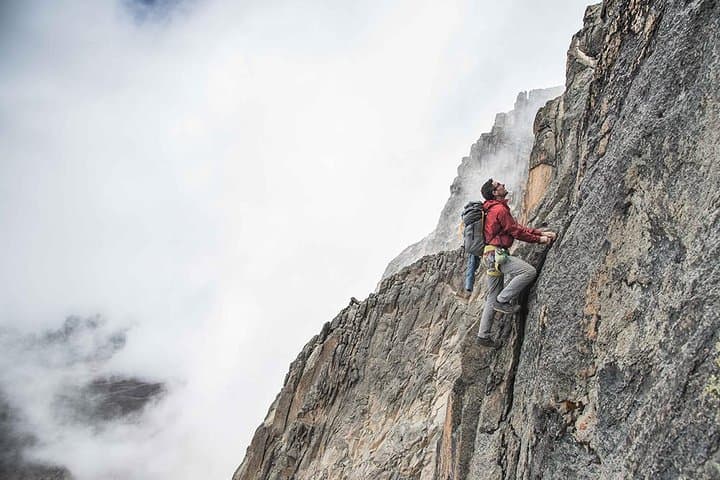
No—Point Lenana is a non-technical trek; the route involves steep hiking and some scrambling but no ropes or technical gear.
The driest months are June–September and January–February; avoid the long rains (March–May) and the short rains (October–December) if possible.
Most operators include hut or camp accommodation and full board while on trek; confirm with the operator if you prefer a private tent.
Summit day is long and at high altitude with early start times; it requires steady pacing and prior acclimatization to minimize symptoms of altitude sickness.
Mount Kenya is both a cultural landmark for the Kikuyu and Meru peoples and a site of early colonial-era exploration; it is also a UNESCO World Heritage site for its ecological importance.
Mount Kenya National Park is managed by Kenya Wildlife Service; stick to trails, use established camps, and minimize campfire impact to protect sensitive Afro-alpine vegetation.
Gracepatt Safaris operates guided outdoor trips and adventures with an emphasis on safety, stewardship, and memorable experiences.
You step off the jeep at Sirimon Gate and the air changes: cooler, drier, and threaded with pine resin. The trail climbs through a dim, dripping forest, then opens into heath and moorland where lobelias and giant groundsels lean into mountain winds. On clear mornings the ridge to Point Lenana cuts a clean silhouette against an equatorial sky, and the summit’s sunrise paints the alpine rocks in pale gold.
You step off the jeep at Sirimon Gate and the air changes: cooler, drier, and threaded with pine resin. The trail climbs through a dim, dripping forest, then opens into heath and moorland where lobelias and giant groundsels lean into mountain winds. On clear mornings the ridge to Point Lenana cuts a clean silhouette against an equatorial sky, and the summit’s sunrise paints the alpine rocks in pale gold.
Mount Kenya’s geology is volcanic—an eroded stratovolcano whose highest peaks are jagged remnants of a collapse and glacial sculpting. The Sirimon route, approached from the northwest near Nanyuki, has historical ties to local Kikuyu and Meru communities who regard the mountain as sacred, and to early 20th-century explorers who mapped its ridgelines. Camps and dry valleys here show the shifting boundary between montane forest and the Afro-alpine moor.
Practically, the itinerary moves steadily: Sirimon Gate (2,440 m) to Judmier, then Shipton, an alpine camp below Point Lenana, with a very early summit push around 3:00 a.m. for sunrise. Expect steep, rocky sections, loose scree and altitude that hits even fit hikers—acclimatize in Nanyuki if you can. Carry layers for pre-dawn cold and sun protection for high-altitude exposure; water purification and calorie-dense snacks keep energy steady. Guides and porters are standard on commercial climbs—use them for route-finding and load sharing. Descents are long; feet and knees take the strain, so bring trekking poles and break up the day with steady, rhythmic pacing. The Sirimon route rewards with wide valley views, relative dryness compared with the east side, and a summit sunrise few equatorial trekkers forget.